

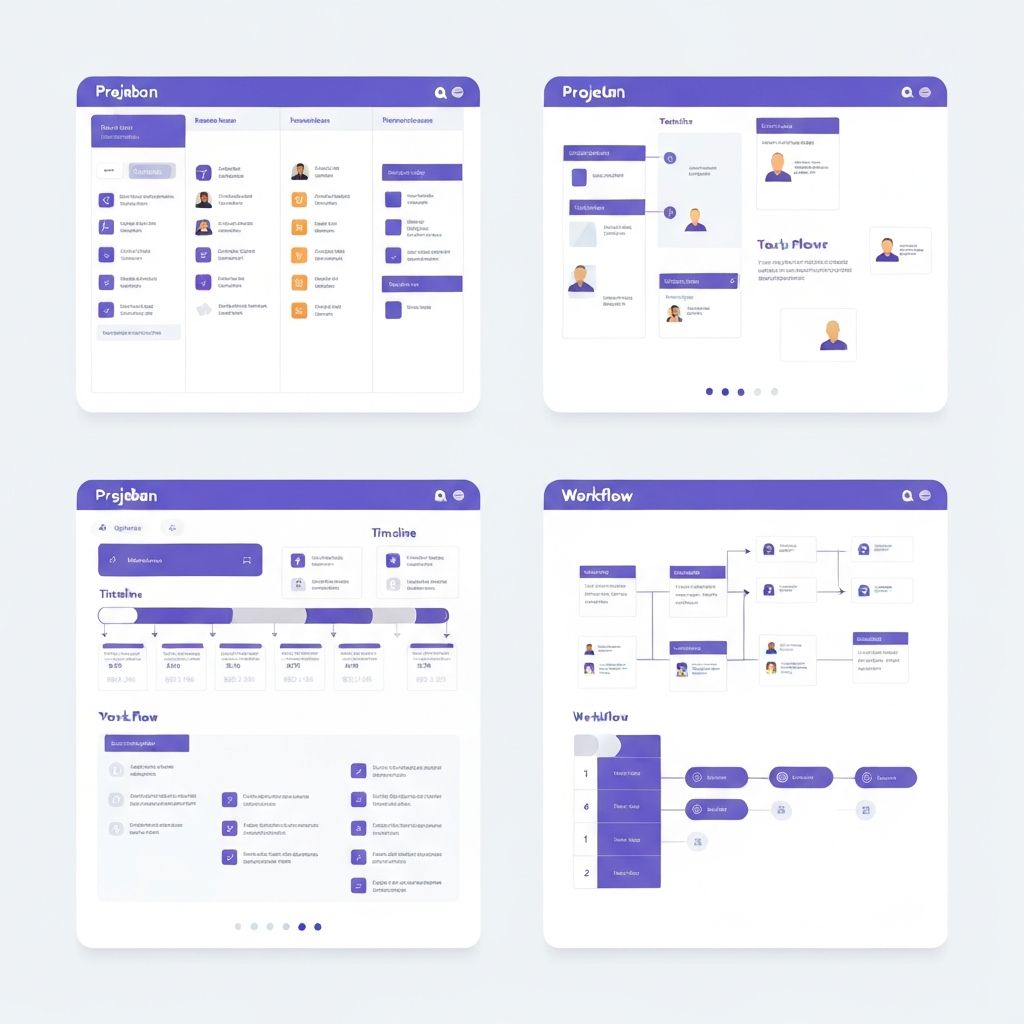
Web Design Project Management
The Critical Role of Project Management in Web Design
Exceptional web design requires more than creative talent and technical skill. Without effective project management, even the most talented teams struggle to deliver projects on time, within budget, and to client satisfaction. At AAMAX.CO, we've learned that rigorous project management separates thriving agencies from those constantly fighting fires and disappointing clients.
Web design projects involve numerous moving parts: stakeholder requirements, design iterations, development phases, content creation, testing, and launch coordination. Managing these elements while maintaining communication with clients and team members requires systematic approaches that keep everything organized and on track.
Project Planning and Scoping
Successful projects begin with thorough planning and accurate scoping. Before any design work begins, clearly define project objectives, deliverables, timeline, and budget constraints. This foundation prevents the scope creep and misaligned expectations that derail so many web design projects.
Conduct comprehensive discovery sessions with clients to understand their business goals, target audience, competitive landscape, and technical requirements. This investment in understanding upfront dramatically reduces revisions and misunderstandings later. Document everything in a detailed project brief that both parties approve before work begins.
Defining Clear Milestones and Deliverables
Break projects into clear phases with specific deliverables and approval gates. Typical phases for website design projects include discovery, information architecture, wireframing, visual design, development, content integration, testing, and launch. Each phase should have defined deliverables that require client approval before proceeding.
This phased approach prevents the common problem of clients seeing their project for the first time at completion and requesting major changes. Regular checkpoints ensure alignment throughout the project while providing natural opportunities for feedback and course correction.
Estimating Time and Resources Accurately
Accurate estimation separates profitable projects from money-losing disasters. Track time spent on past projects to develop reliable estimation models for different project types and complexities. Account for client communication, revisions, testing, and administrative tasks that often get underestimated.
Build contingency into your estimates for unexpected challenges. Complex website development projects inevitably encounter unforeseen technical issues, content delays, or requirement changes. Projects estimated too tightly leave no room for these realities, creating stress and potential conflicts.
Communication Frameworks
Clear, consistent communication prevents most project management problems. Establish communication expectations upfront including preferred channels, response timeframes, meeting schedules, and escalation procedures. Different stakeholders may require different communication approaches and frequencies.
Regular status updates keep clients informed and engaged without requiring constant check-ins. Weekly written summaries covering accomplishments, upcoming tasks, blockers, and any decisions needed maintain transparency while documenting project progress for future reference.
Managing Client Expectations
Client expectations management begins during sales and continues throughout the project. Be honest about what's achievable within their budget and timeline. Overpromising to win projects creates dissatisfaction even when you deliver objectively good work that falls short of inflated expectations.
Educate clients about the web design process. Many clients have never worked with a web design agency and don't understand typical workflows, revision rounds, or the time required for quality work. Setting realistic expectations upfront prevents frustration on both sides.
Workflow and Process Documentation
Documented workflows ensure consistency across projects and team members. Standard operating procedures for common tasks reduce errors, accelerate onboarding of new team members, and create predictable outcomes. Review and refine these processes regularly based on lessons learned.
Our teams follow established processes for everything from front-end web development to back-end web development, ensuring consistent quality regardless of which team members handle specific projects. This systematization enables scaling without sacrificing quality.
Project Management Tools and Technology
The right tools dramatically improve project management efficiency. Project management platforms like Asana, Monday, Basecamp, or ClickUp provide centralized task tracking, communication, and documentation. Choose tools that match your team's workflow rather than forcing your team to adapt to tool limitations.
Integrate project management tools with other systems your team uses. Connections to time tracking, file storage, communication platforms, and development tools create seamless workflows that reduce manual data entry and improve accuracy. The time invested in proper tool configuration pays dividends across every project.
Managing Design Revisions
Revision management often determines whether projects remain profitable. Clearly define revision rounds and what each includes in your contracts. Establish processes for submitting, consolidating, and implementing feedback that prevent endless revision cycles.
Provide revision guidelines to clients before requesting feedback. Explain what type of feedback is most helpful at each stage and how to consolidate input from multiple stakeholders. Unstructured feedback from multiple people creates conflicting direction that delays projects and frustrates everyone.
Development Phase Management
Development phases require different management approaches than design phases. Technical work often involves dependencies, testing requirements, and integration challenges that require careful sequencing. Whether working with WordPress development, ReactJS web development, or MERN stack development, development workflows need appropriate structure.
Implement version control and staging environments that allow safe development without risking production sites. Code reviews and testing protocols catch issues before they reach clients. These technical management practices protect both quality and timelines.
Quality Assurance and Testing
Thorough testing before client delivery prevents embarrassing issues and costly post-launch fixes. Develop comprehensive testing checklists covering functionality, browser compatibility, mobile responsiveness, performance, and content accuracy. Systematic testing catches issues that casual review misses.
Consider user testing for complex projects. Having real users attempt key tasks often reveals usability issues that designers and developers overlook. This investment in testing improves final product quality and client satisfaction.
Launch Planning and Execution
Website launches require careful planning and coordination. Develop launch checklists covering DNS updates, email configuration, analytics implementation, search console verification, and dozens of other details that can be overlooked in launch excitement. Rushed launches often create problems that require emergency fixes.
Plan for post-launch support needs. No matter how thoroughly you test, users will discover issues and clients will have questions. Having support processes ready ensures smooth transitions and positive final impressions.
Post-Project Review and Improvement
After each project completion, conduct thorough reviews examining what went well and what could improve. Analyze timeline adherence, budget performance, client satisfaction, and team feedback. These insights drive continuous improvement in your project management processes.
Document lessons learned where others can access them. Insights from one project benefit future projects only if captured and shared. Building organizational knowledge through systematic documentation accelerates improvement across your entire agency.
Scaling Project Management
As agencies grow, project management complexity increases exponentially. Multiple simultaneous projects competing for shared resources require portfolio-level management approaches. Resource allocation, capacity planning, and workload balancing become critical skills beyond individual project management.
Our experience delivering comprehensive services including web application development, web development consulting, and ongoing website maintenance and support has taught us that scalable project management requires both excellent systems and adaptable people who can handle complexity without losing sight of client needs.
Want to publish a guest post on aamax.co?
Place an order for a guest post or link insertion today.
Place an Order