

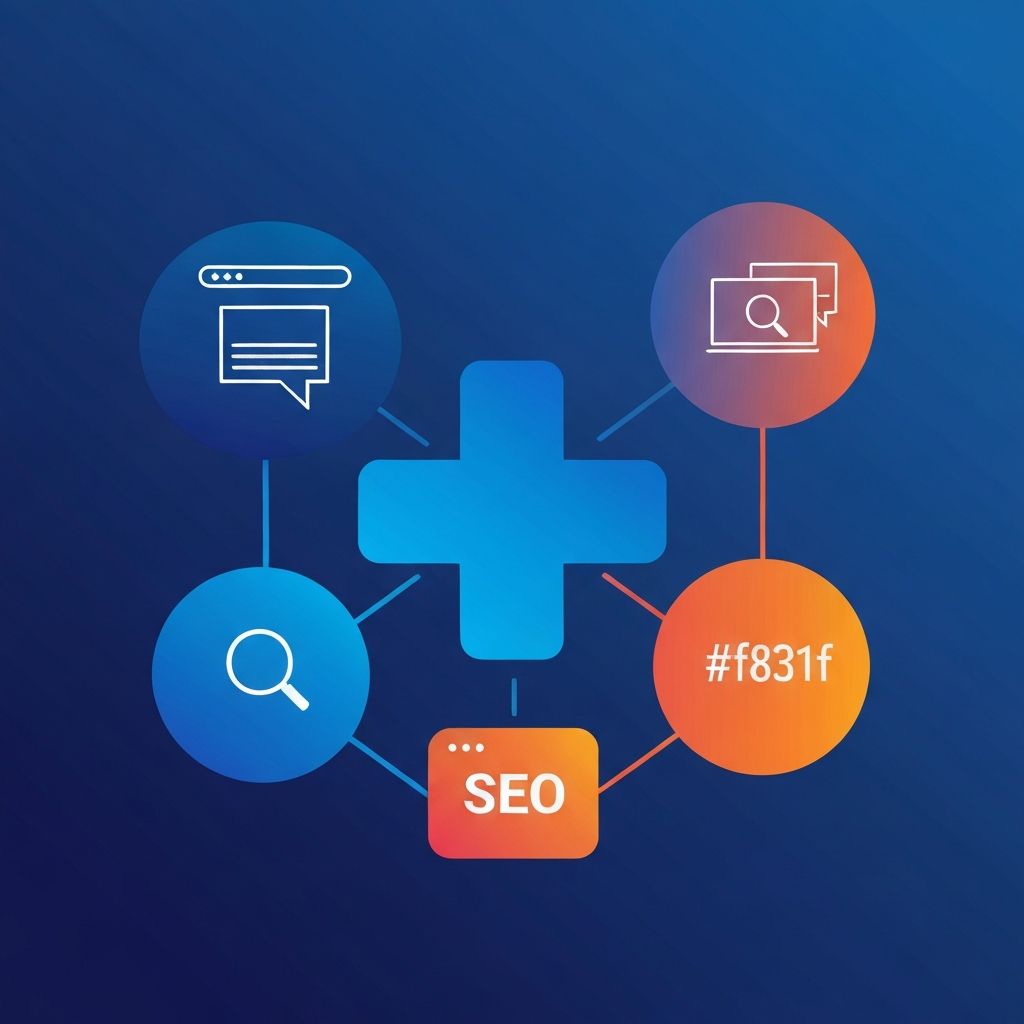
Web Design Plus SEO
Two Disciplines, One Goal
Web design and SEO share the same fundamental objective: creating websites that effectively serve user needs. Design accomplishes this through visual presentation, usability, and emotional engagement. SEO accomplishes this by ensuring the right users can find the website in the first place. When these disciplines work in isolation, websites suffer. When they collaborate, the results exceed what either could achieve alone.
The traditional approach of designing websites first and then optimizing for search creates unnecessary conflicts. Design decisions made without SEO input often create technical barriers to search performance. SEO retrofitting disturbs design harmony and user experience. At AAMAX.CO, we integrate web design and SEO from project inception, eliminating these conflicts and maximizing results.
Technical Synergies Between Design and SEO
Numerous technical elements serve both design quality and SEO performance. Understanding these synergies reveals why integration makes sense and how combined approaches create better outcomes.
Page speed benefits both user experience and search rankings. Design choices about image sizes, animation complexity, and feature implementation directly impact loading times. SEO concerns about Core Web Vitals align perfectly with design concerns about user patience. Optimizing for one optimizes for both.
Mobile responsiveness is essential for modern design and mandatory for mobile-first SEO. Responsive layouts serve users on all devices while satisfying Google's mobile usability requirements. The same development practices achieve both goals.
Site architecture affects how users navigate and how search engines understand content relationships. Clear hierarchy benefits both human visitors trying to find information and crawlers trying to index and rank content. Information architecture decisions serve design and SEO simultaneously.
Content Strategy Alignment
Content sits at the intersection of design and SEO more than any other element. SEO requires content that targets relevant keywords and comprehensively addresses user queries. Design requires content that fits layouts, maintains visual appeal, and supports user journeys. When content strategy addresses both needs, websites perform better on all dimensions.
Heading structures serve dual purposes. Visually, headings create hierarchy and improve scannability. For SEO, headings signal content organization and topic relevance to search engines. Properly structured headings using H1 through H6 appropriately achieve both objectives.
Content length and formatting balance SEO comprehensiveness with design readability. Long-form content can rank well but must be formatted to prevent reader fatigue. Short content may design well but miss SEO opportunities. Strategic content planning finds optimal approaches for each page type.
User Experience as a Ranking Factor
Google increasingly evaluates user experience signals in ranking algorithms. Metrics including bounce rate, time on site, and pages per session reflect how well websites engage visitors. These signals mean that design quality directly impacts SEO performance, not just indirectly through technical factors.
Engagement depends on design creating experiences users want to continue. Clear navigation helps visitors find what they seek. Readable typography encourages content consumption. Visual appeal creates positive impressions that extend visits. All these design elements now have SEO implications.
Conversion design also affects SEO through user satisfaction signals. Visitors who find what they need and complete desired actions send positive signals. Frustrating experiences leading to bounces back to search results send negative signals. Our front-end development prioritizes user experience that satisfies both visitors and search algorithms.
Visual Content and Search Visibility
Images, videos, and visual elements enhance design while creating SEO opportunities when properly optimized. Image search drives significant traffic for many websites. Video content increasingly appears in search results. Visual assets should serve both aesthetic and search visibility purposes.
Image optimization involves file compression for speed, appropriate sizing for responsive delivery, and descriptive naming and alt text for search understanding. These practices benefit design through better performance and SEO through improved image search visibility and accessibility.
Video content can rank in both universal search and video-specific searches. Proper embedding, transcript provision, and video schema markup maximize video visibility. Design integration ensures videos enhance rather than disrupt page experiences.
Local Search and Design Considerations
Local businesses need websites optimized for local search visibility. This requires design elements that support local SEO while maintaining brand consistency. Location pages, embedded maps, and local schema markup all have design implications.
Multi-location businesses face particular challenges balancing local SEO needs with cohesive design. Each location may need unique content for local relevance while maintaining brand standards. Design systems that accommodate local customization within brand frameworks address this challenge.
Mobile local search is especially important as users frequently search for nearby businesses from smartphones. Design for mobile local users means prominent contact information, click-to-call functionality, and clear directions access. These elements serve both user needs and local search performance.
E-commerce Design and SEO Integration
Online stores must balance conversion-focused design with product search visibility. Product page design affects both purchase decisions and search rankings. Category architecture serves both navigation and SEO targeting. The complexity of e-commerce makes design-SEO integration particularly valuable.
Product pages need compelling imagery, persuasive descriptions, and clear purchase paths for conversion. They also need unique, keyword-rich content, structured data markup, and technical optimization for search visibility. Successful e-commerce design addresses all requirements simultaneously.
Category pages often hold the most SEO potential for e-commerce sites. Design that supports both filtering and content optimization enables these pages to rank while serving shoppers effectively. Our development capabilities include sophisticated e-commerce implementations that balance all requirements.
Technical Implementation for Combined Success
Proper technical implementation enables design and SEO to work together rather than conflict. Development practices should address both disciplines throughout the build process, not attempt to reconcile them afterward.
Clean, semantic HTML provides the foundation for both visual styling and search engine understanding. CSS handles presentation while keeping HTML focused on content structure. JavaScript enhances interactions without creating crawlability problems. Modern frameworks like Next.js support both dynamic design capabilities and SEO-friendly rendering.
Content management systems should enable marketing teams to maintain SEO elements without developer assistance. SEO plugins for WordPress or built-in SEO features in headless CMS options like Strapi provide necessary control. CMS selection should consider both design flexibility and SEO manageability.
Ongoing Optimization and Maintenance
Neither design nor SEO are one-time activities. Websites need ongoing attention to maintain and improve both visual effectiveness and search performance. Combined maintenance approaches ensure continued alignment between disciplines.
Design updates should consider SEO implications. Redesigns risk losing rankings if SEO elements are disrupted. SEO improvements should respect design integrity. Combined maintenance services coordinate updates to benefit both dimensions.
Performance monitoring should track both user experience and search metrics. Analytics reveal how design changes affect engagement. Search Console data shows ranking and traffic trends. Correlating these data sources identifies opportunities for improvements that benefit both design and SEO.
Building Integrated Teams or Partnerships
Achieving web design plus SEO requires either integrated internal teams or agency partnerships that combine both capabilities. Separate providers for design and SEO create the coordination challenges and conflicts that integration avoids.
Internal teams benefit from cross-training designers in SEO basics and SEO specialists in design principles. Shared goals and combined workflows prevent the siloing that creates problems. Regular collaboration throughout projects ensures alignment.
Agency partnerships should engage providers with genuine expertise in both disciplines. Portfolios should demonstrate design quality and case studies should show SEO results. References should confirm that combined services delivered integrated results.
Conclusion: Better Together
Web design and SEO achieve more together than either accomplishes separately. Technical synergies, content alignment, user experience optimization, and coordinated ongoing efforts all benefit from integration. Treating these disciplines as separate activities creates unnecessary friction and suboptimal results.
We bring true integration of web design and SEO to every project. Our team combines creative design excellence with deep SEO expertise, ensuring that websites we create are both visually compelling and highly discoverable. Contact us to discuss how combined web design plus SEO can strengthen your digital presence and drive business growth.
Want to publish a guest post on aamax.co?
Place an order for a guest post or link insertion today.
Place an Order