

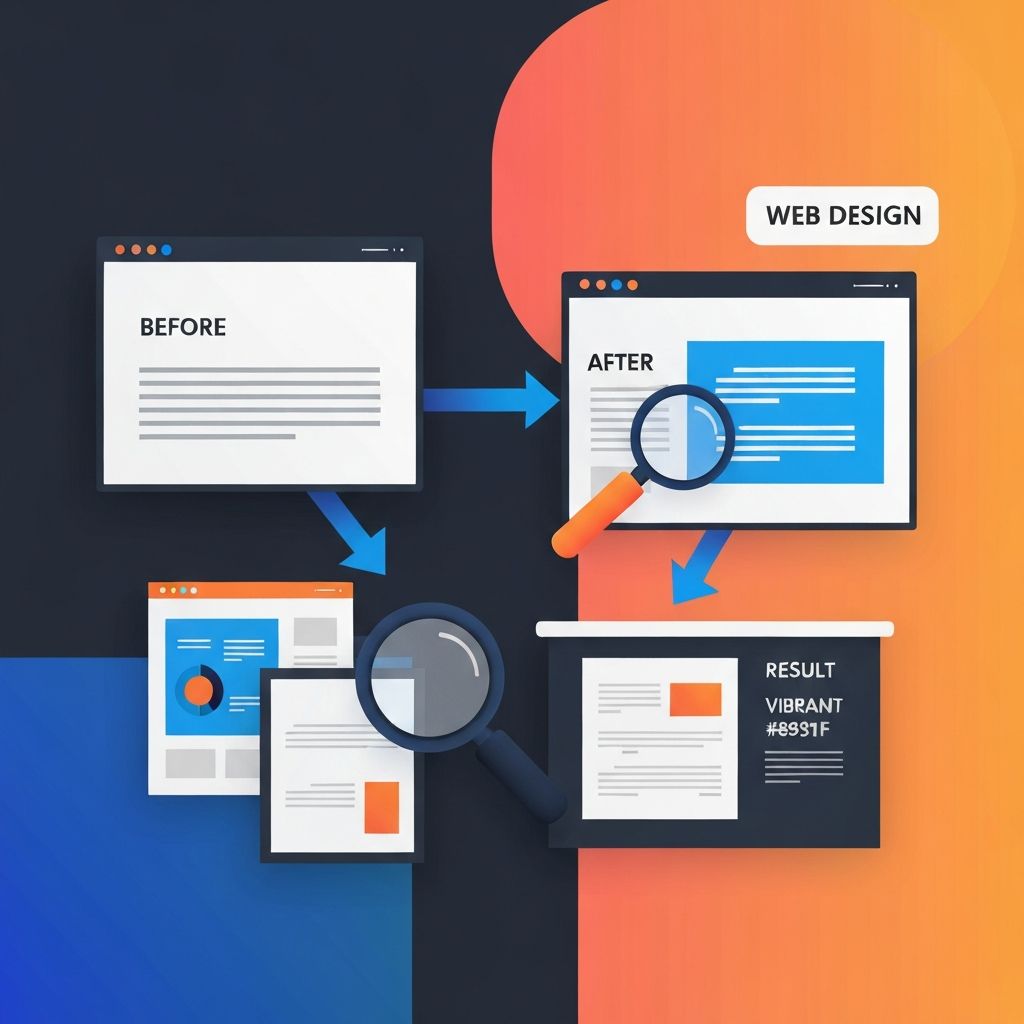
Web Design Case Study
The Power of Web Design Case Studies
Case studies are among the most powerful tools in a web design agency's marketing arsenal. They demonstrate expertise through concrete examples, build credibility through documented results, and help potential clients envision what working with you might look like. A well-crafted case study does more to close deals than dozens of generic portfolio images.
At AAMAX.CO, we believe in showing rather than telling. Our work speaks for itself, and case studies provide the context and narrative that help potential clients understand the strategic thinking behind our designs. This approach builds trust and differentiates us from competitors who simply showcase screenshots.
Elements of Effective Web Design Case Studies
Compelling case studies follow a clear structure that tells a complete story. They begin with context—who is the client, what challenges did they face, and what were their goals? This background helps readers relate the case study to their own situations and understand why the project matters.
The problem statement frames the project in terms of business challenges rather than just design needs. Our website design projects always begin with understanding underlying business problems, and our case studies reflect this strategic orientation.
Documenting the Design Process
Process documentation demonstrates professionalism and helps clients understand what they're paying for. This includes research activities, strategy development, concept exploration, design iterations, and testing. Showing the journey from problem to solution reveals the expertise that informs final designs.
Visual process documentation—wireframes, mood boards, design variations, user flow diagrams—makes case studies more engaging and informative. These artifacts show the thinking behind decisions and the collaborative nature of design work.
Showcasing Solutions
The solution section presents the final design in its best light. High-quality screenshots, interactive demos, or even video walkthroughs show what was delivered. Our front-end web development work is best demonstrated through experiences rather than static images, so we often include live links where appropriate.
Context matters for showcasing solutions effectively. Browser mockups, device mockups, and environmental photography help viewers imagine designs in real-world contexts. Detail views highlight specific features or interactions that might be missed in full-page screenshots.
Quantifying Results
Results are what ultimately matter to potential clients. Whenever possible, case studies should include measurable outcomes—conversion rate improvements, traffic increases, load time reductions, or revenue growth. These numbers provide proof that design investments deliver returns.
When hard metrics aren't available or shareable, qualitative results still add value. Client testimonials, user feedback, awards received, or industry recognition all contribute to demonstrating success.
Technical Challenges and Solutions
Technical case study elements appeal to more sophisticated buyers who want to understand implementation details. Our web application development projects often involve complex technical challenges that make for compelling case study content.
Describing how technical challenges were overcome demonstrates expertise and problem-solving capabilities. This might include performance optimization approaches, integration solutions, or innovative coding techniques. Technical readers appreciate this depth.
Client Collaboration Stories
Case studies that highlight the collaborative relationship between agency and client resonate with potential buyers who want to know what the working experience will be like. How were decisions made? How was feedback incorporated? What was the communication process?
Including client quotes and perspectives adds authenticity and third-party validation. Our web development consulting approach emphasizes partnership, and our case studies reflect this collaborative spirit.
Before and After Comparisons
For redesign projects, before and after comparisons create dramatic visual impact. These contrasts highlight the improvement achieved and help viewers appreciate the transformation. Side-by-side screenshots or slider interactions make comparisons easy to digest.
Before and after comparisons should focus on improvements that matter—not just visual changes but functional improvements, user experience enhancements, and business outcome impacts.
Specialized Case Study Formats
Different audiences and contexts call for different case study formats. Detailed written case studies work well for thorough evaluation. Visual case studies with minimal text suit portfolio browsing. Video case studies bring projects to life for audiences who prefer watching over reading.
Our WordPress development and Strapi CMS website development projects often warrant detailed technical case studies, while branding-focused projects might be better served by visual presentations.
Industry-Specific Case Studies
Potential clients look for evidence of relevant experience in their industry. Industry-specific case studies demonstrate understanding of sector-specific challenges, regulations, and best practices. A healthcare company wants to see healthcare projects; an ecommerce business wants to see retail experience.
Building a diverse case study library that covers multiple industries expands your appeal to different market segments. Each case study should highlight industry-specific insights that demonstrate specialized expertise.
Using Case Studies in Sales
Case studies are most effective when used strategically in sales conversations. Relevant case studies shared at the right moment can overcome objections and build confidence. The best sales teams curate case study libraries organized by industry, project type, and business challenge for easy access.
Case studies also power content marketing efforts. Blog posts, social media content, email campaigns, and presentations can all draw from case study material. This content demonstrates ongoing activity and expertise.
Maintaining Case Study Quality
Case studies require ongoing maintenance as designs evolve and results accumulate. Outdated case studies with dead links or obsolete screenshots reflect poorly on the presenting agency. Our website maintenance and support practices extend to keeping our own case studies current and accurate.
Regular reviews ensure case studies remain relevant and compelling. Retiring old case studies in favor of more recent, impressive work keeps your portfolio fresh and demonstrates continuous improvement.
Conclusion
Web design case studies are essential marketing assets that demonstrate expertise, build credibility, and help close new business. Investing time in creating detailed, thoughtful case studies pays dividends through improved sales conversion and enhanced reputation.
Our approach to case study development reflects our commitment to quality and transparency in everything we do. Contact us today to discuss your project and potentially become our next success story.
Want to publish a guest post on aamax.co?
Place an order for a guest post or link insertion today.
Place an Order