

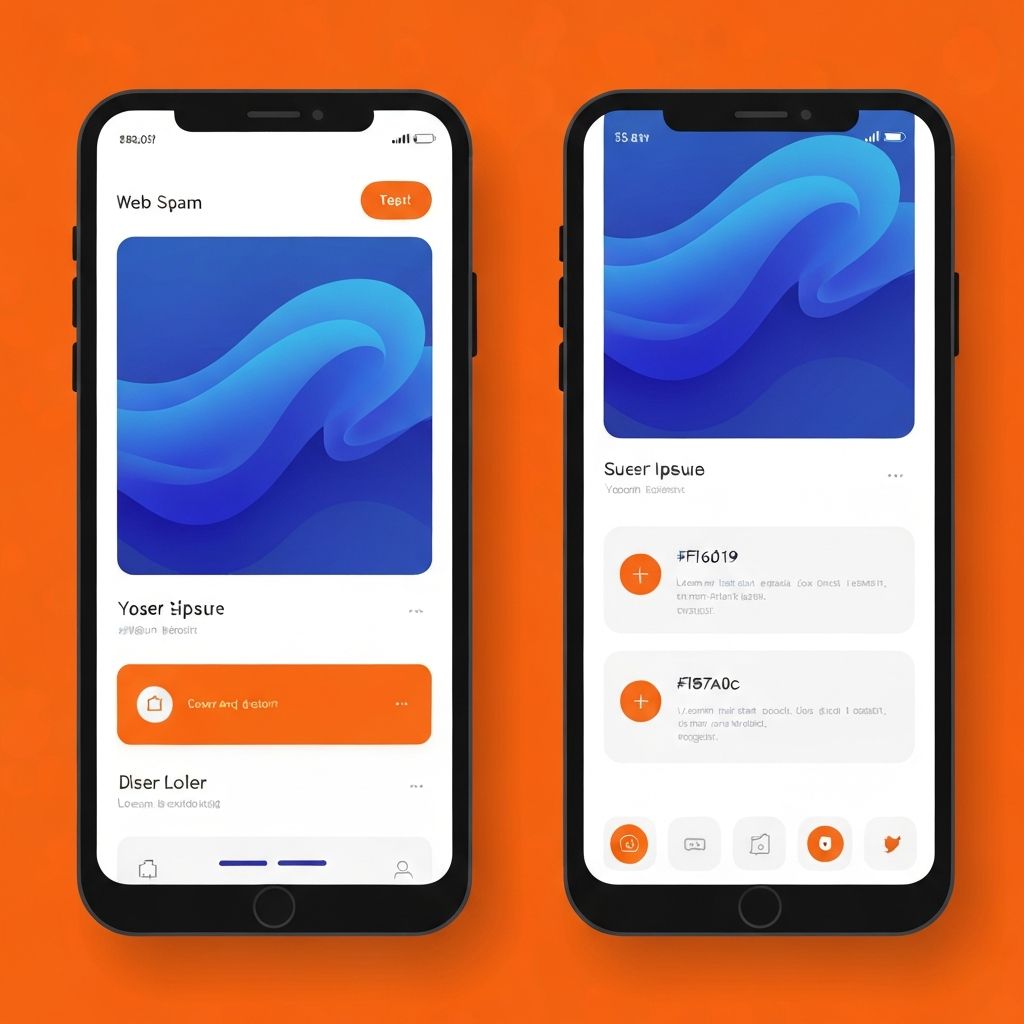
Web and Application Design
The Convergence of Web and Application Design
The boundaries between web and application design have blurred significantly in recent years. Progressive web apps, single-page applications, and increasingly sophisticated browser capabilities mean that websites can now deliver experiences that rival native applications. Understanding both disciplines and how they intersect is essential for creating effective digital products.
Modern users expect consistent, intuitive experiences regardless of whether they're using a website, web application, or native app. They move fluidly between devices and platforms, and their expectations for performance, usability, and design quality continue to rise.
This convergence creates both opportunities and challenges for designers and developers. Integrated approaches that consider web and application design together deliver more cohesive user experiences, but they require broader skill sets and more thoughtful planning.
Understanding the Differences and Similarities
While web and application design share many principles, important differences affect how projects are approached. At AAMAX.CO, we navigate these distinctions to deliver optimal solutions.
Traditional web design typically focuses on content presentation, information architecture, and guiding visitors toward conversion goals. Websites are often marketing-oriented, providing information and encouraging actions like contact form submissions or purchases.
Application design centers on task completion, workflow optimization, and repeated usage. Applications solve specific problems through interactive functionality, and their success depends on how efficiently and pleasantly users can accomplish their goals.
The similarities are substantial: both require understanding user needs, creating intuitive interfaces, ensuring accessibility, and delivering visually appealing designs. Core UX principles apply across both domains.
User Experience Design Across Platforms
Creating excellent user experiences requires understanding how people interact with different types of digital products and designing appropriately for each context.
Website visitors typically scan content, seek specific information, and make decisions about whether to engage further. Web UX optimizes for comprehension, trust-building, and conversion.
Application users engage more deeply, performing tasks repeatedly and developing habits around product usage. App UX optimizes for efficiency, learning curves, and satisfaction in repeated interactions.
Cross-platform considerations ensure users moving between web and app versions of products experience consistency. Similar navigation patterns, visual design, and interaction models reduce friction.
Our website design and web application development services bring unified UX thinking to all digital products.
Design Systems for Cohesive Experiences
Design systems provide the foundation for consistent experiences across web and application products. These documented collections of reusable components, guidelines, and principles ensure coherence as products evolve and teams grow.
Component libraries define standard interface elements—buttons, forms, cards, navigation patterns—that appear consistently across products. Reusable components accelerate development while maintaining visual and functional consistency.
Design tokens establish core values for colors, typography, spacing, and other foundational elements. Tokens allow these values to be adjusted centrally while propagating changes across all products.
Guidelines document when and how to use different components and patterns. Clear documentation helps team members make consistent decisions as they build new features.
Effective design systems balance consistency with flexibility, providing enough structure for coherence while allowing appropriate variation for different contexts and use cases.
Responsive and Adaptive Design Strategies
Both websites and applications must perform well across a variety of devices and screen sizes. Responsive and adaptive design strategies ensure optimal experiences regardless of how users access products.
Responsive design uses fluid layouts and CSS media queries to adapt single codebases to different screen sizes. This approach works well for content-focused sites and many applications.
Adaptive design serves different versions optimized for specific device categories. This approach requires more development effort but can provide more refined experiences for each platform.
Progressive enhancement ensures core functionality works everywhere while enhanced experiences are available on more capable devices and browsers.
Our front-end web development team implements responsive and adaptive strategies that deliver excellent experiences across all devices.
Performance Optimization in Web and App Design
Performance directly impacts user experience, engagement metrics, and business results. Both websites and applications require performance optimization, though priorities may differ.
Initial load time critically affects websites where visitors may abandon slow-loading pages before engaging with content. Optimizing time to first meaningful paint keeps visitors engaged.
Application performance encompasses initial load but extends to interaction responsiveness, data synchronization, and background processing. Users expect instant responses to their actions.
Optimization techniques include image compression, code minification, efficient caching, lazy loading, and proper use of Content Delivery Networks. Server-side rendering and static generation improve performance for appropriate use cases.
Monitoring and measurement ensure performance remains acceptable as products evolve. Regular testing and analytics identify degradation before it significantly impacts users.
Accessibility in Web and Application Design
Accessible design ensures products work for users with various abilities and needs. Both legal requirements and ethical considerations make accessibility a priority for responsible organizations.
WCAG guidelines provide standards for accessible web content that apply equally to websites and web applications. These guidelines address visual, auditory, motor, and cognitive accessibility needs.
Semantic HTML provides the foundation for accessibility, ensuring assistive technologies can properly interpret content structure and purpose.
Keyboard navigation enables users who cannot use mice to access all functionality. Every interactive element should be reachable and operable via keyboard.
Screen reader compatibility ensures visually impaired users can access content through text-to-speech tools. Proper labeling, ARIA attributes, and logical content order support screen reader use.
Modern Technologies Bridging Web and App
Technological advances have enabled web technologies to deliver increasingly app-like experiences, blurring traditional distinctions.
Progressive Web Apps (PWAs) combine web reach with app-like features: offline functionality, push notifications, and home screen installation. PWAs provide alternatives to native apps for many use cases.
Single Page Applications (SPAs) built with frameworks like React, Vue, or Angular deliver fluid, responsive experiences without full page reloads.
WebAssembly enables performance-critical code to run at near-native speeds in browsers, expanding what's possible in web-delivered applications.
Our ReactJS web development and Next.js web development services leverage these modern technologies effectively.
Content Management and Application Data
How content and data are managed significantly impacts both web and application design, affecting editorial workflows, performance, and flexibility.
Content Management Systems (CMS) power most websites, providing editorial interfaces for content updates without developer involvement. Modern headless CMS architectures separate content management from presentation, enabling multi-platform content delivery.
Application data typically flows through APIs connecting front-end interfaces to back-end services and databases. Well-designed APIs enable flexibility in how data is presented across different platforms.
Real-time data requirements distinguish many applications from static websites. WebSockets, server-sent events, and real-time databases enable instant updates across connected clients.
Our Strapi CMS website development services demonstrate expertise in modern content management approaches.
Security Considerations
Security requirements span both web and application design, though applications handling user data face heightened concerns.
Authentication and authorization protect user accounts and restrict access to appropriate resources. Proper implementation prevents unauthorized access and protects user data.
Data encryption in transit (HTTPS) and at rest protects sensitive information from interception and breach.
Input validation and sanitization prevent injection attacks and other security vulnerabilities arising from user-supplied data.
Regular security audits, dependency updates, and following security best practices maintain protection as threats evolve.
Testing and Quality Assurance
Comprehensive testing ensures web and application products function correctly across intended use cases and environments.
Functional testing verifies features work as intended. Both manual testing and automated test suites help identify issues before they reach users.
Cross-browser and cross-device testing ensures products work correctly across the variety of environments users employ.
Performance testing identifies bottlenecks and ensures products meet performance targets under expected load conditions.
Usability testing with real users reveals issues that internal testing might miss, providing invaluable feedback for improvement.
Choosing the Right Development Partner
Selecting a partner for web and application design requires evaluating capabilities across both domains and assessing their ability to deliver integrated solutions.
Full-stack capabilities ensure your partner can handle all aspects of projects, from visual design through front-end implementation to back-end development.
Portfolio diversity demonstrating both web and application projects indicates relevant experience across the spectrum of digital products.
Modern technology expertise ensures your partner can leverage current tools and approaches effectively.
Strategic thinking beyond implementation helps you make decisions about product direction, technology choices, and user experience that impact long-term success.
Conclusion
Web and application design have converged significantly, sharing principles while retaining important distinctions. Creating excellent digital products requires understanding both disciplines and applying appropriate approaches for each project's specific needs.
Integrated strategies that consider web and application design together deliver more cohesive user experiences and better business results. Modern technologies enable increasingly sophisticated products that blur traditional boundaries.
We bring expertise in both web and application design, creating digital products that serve users effectively across all platforms and contexts. Our MERN stack development capabilities enable sophisticated full-stack solutions. Contact us today to discuss your web and application design needs.
Want to publish a guest post on aamax.co?
Place an order for a guest post or link insertion today.
Place an Order