

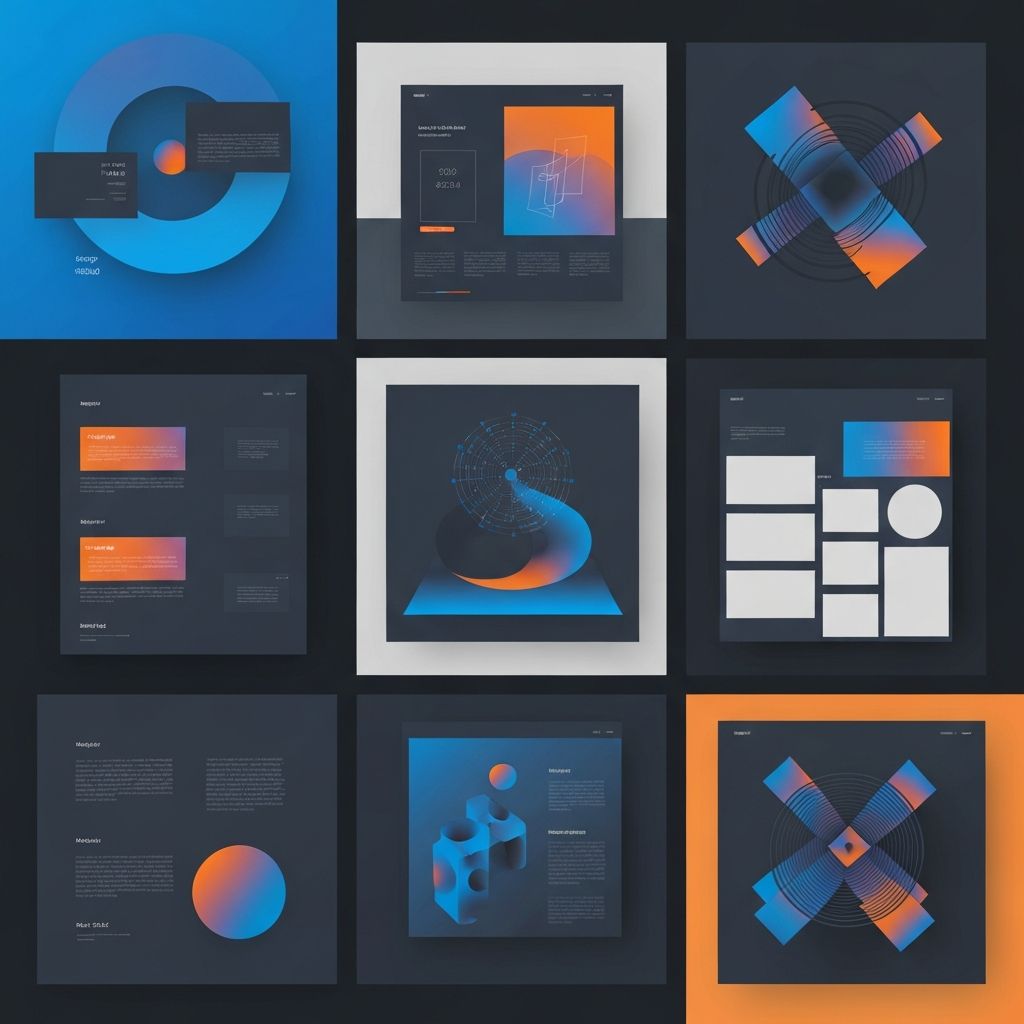
Unusual Web Design
Embracing Unusual Web Design
Unusual web design challenges the status quo of digital experiences, creating websites that surprise, engage, and leave lasting impressions on visitors. In an era where users encounter countless websites daily, the unusual stands out, capturing attention and fostering connections that conventional designs struggle to achieve.
At AAMAX.CO, we understand that unusual does not mean impractical. Our approach to unusual web design merges creative innovation with user-centered principles, ensuring that distinctive designs serve business objectives while delighting users.
The Psychology Behind Unusual Design
Human brains are wired to notice novelty and patterns that deviate from expectations. Unusual web design leverages this psychological tendency, creating cognitive engagement that keeps visitors interested and invested in exploring your content.
When users encounter something unexpected online, their attention sharpens and memory formation increases. This heightened engagement creates opportunities to communicate brand messages more effectively and create lasting associations with your organization.
However, the line between intriguing and confusing requires careful navigation. Unusual design should create positive surprise rather than frustration, rewarding users with delightful experiences that justify any additional cognitive effort required to understand the interface.
Non-Linear Layouts and Compositions
Traditional websites follow predictable patterns—headers at the top, content flowing downward, sidebars for secondary information. Unusual designs may abandon these conventions entirely, creating layouts that flow in unexpected directions or present content in non-linear arrangements.
Scattered layouts, where elements appear to be randomly placed but actually follow careful compositional logic, create visual interest and encourage exploration. Overlapping content layers, rotated elements, and mixed orientations add dynamism while challenging users' expectations.
Our website design team specializes in creating unusual layouts that balance creative vision with intuitive user experience, ensuring visitors can navigate effectively while enjoying distinctive visual presentation.
Unconventional Visual Hierarchies
Visual hierarchy typically guides users through content in predictable ways, with size, color, and placement indicating relative importance. Unusual designs may subvert these conventions, creating hierarchies that surprise while still communicating effectively.
Emphasizing unexpected elements, using visual tension to direct attention, or creating deliberate ambiguity can make designs more engaging and thought-provoking. These techniques work particularly well for creative portfolios, artistic endeavors, and brands that position themselves as innovative or countercultural.
Effective unusual hierarchies require deep understanding of design principles and user psychology. Breaking rules successfully demands knowing why those rules exist and how users will respond to their absence.
Experimental Interaction Patterns
Standard web interactions—clicking links, scrolling pages, filling forms—have become so familiar that users barely notice them. Unusual designs introduce new interaction patterns that re-engage users with the fundamental act of exploring websites.
Drag-and-drop navigation, gesture-based controls, physics-simulated interfaces, and voice interactions represent just a few alternatives to conventional patterns. Each offers unique possibilities for creating memorable experiences while presenting accessibility and usability considerations that require careful attention.
Our web application development expertise enables us to implement sophisticated interaction patterns that function smoothly across devices and browsers while maintaining accessibility for all users.
Artistic and Abstract Approaches
Some unusual websites embrace artistic expression as a primary goal, treating the web as a canvas for creative experimentation rather than purely functional communication. These designs may prioritize aesthetic experience, emotional impact, or conceptual messaging over conventional usability.
Abstract visual treatments, generative art elements, and designs that blur the line between websites and digital art installations create experiences that users remember and share. This approach works particularly well for artists, musicians, cultural institutions, and brands associated with creativity and innovation.
Even the most artistic designs typically retain core functional elements that serve user needs. The challenge lies in integrating practical functionality seamlessly with creative expression.
Breaking the Fourth Wall
Unusual web design sometimes acknowledges its own nature as a digital construct, breaking the fourth wall to create self-aware experiences. This might involve visible code elements, references to the browsing experience itself, or designs that respond to how users interact with their browsers.
Meta-commentary on digital culture, playful acknowledgment of design conventions, and interactive elements that respond to browser context create experiences that feel clever and contemporary. This approach resonates particularly well with tech-savvy audiences who appreciate self-referential humor and creative awareness.
Tactile and Physical Metaphors
While websites exist in purely digital space, unusual designs often incorporate physical metaphors that make interfaces feel more tangible and real. Paper textures, three-dimensional depth, simulated materials, and physics-based interactions create sensory experiences that stand apart from flat, purely digital aesthetics.
These approaches can make websites feel more human and approachable while differentiating brands from competitors using standard digital aesthetics. The key is authentic implementation that serves the overall experience rather than gimmicky effects that distract from content.
Temporal and Environmental Responsiveness
Unusual websites may respond to factors beyond direct user input, creating experiences that change based on time of day, weather conditions, user location, or other environmental variables. This contextual awareness creates unique, personalized experiences that users remember.
A website that transitions from light to dark themes based on local sunset times, displays weather-appropriate imagery, or adjusts its personality based on current events creates a sense of living presence that static designs cannot achieve.
Our Next.js web development capabilities enable us to create dynamic, environmentally responsive websites that adapt intelligently to user contexts.
Minimalism Taken to Extremes
While minimal design is common, taking minimalism to extreme levels creates unusual experiences that challenge users' expectations about what websites should contain. Designs with almost no visible elements, single-function interfaces, or content revealed only through interaction create intrigue and focus attention intensely on essential messages.
Extreme minimalism works best when the reduced approach serves strategic purposes—perhaps emphasizing a single powerful image, creating anticipation for product launches, or positioning brands as sophisticated and confident.
When Unusual Design Makes Sense
Unusual web design is not universally appropriate. E-commerce sites optimizing for conversions, informational resources prioritizing findability, and applications requiring minimal learning curves may benefit more from conventional approaches that meet established user expectations.
Unusual design shines when brands want to make bold statements, when target audiences appreciate creativity and innovation, and when the goal is creating memorable impressions rather than maximizing immediate utility. Portfolio sites, creative agency websites, product launch campaigns, and artistic endeavors often benefit most from unusual approaches.
Our web development consulting services help clients evaluate whether unusual design approaches align with their specific objectives, audiences, and competitive contexts.
Balancing Unusual with Usable
The most successful unusual designs maintain usability while delivering distinctive experiences. This balance requires understanding which conventions can be challenged without harming user experience and which should be preserved to ensure accessibility and functionality.
Core navigation functionality, clear pathways to important content, and accessibility for users with disabilities should typically be maintained even in the most unusual designs. Creative expression should enhance rather than impede users' ability to accomplish their goals.
Conclusion
Unusual web design offers exciting opportunities to differentiate brands, engage users, and create memorable online experiences. When executed thoughtfully, unconventional approaches capture attention, communicate brand values, and forge connections that standard designs cannot achieve.
Success with unusual design requires creative vision balanced with strategic thinking and technical expertise. Partner with professionals who understand both the artistic and practical dimensions of unconventional web design to create experiences that are distinctive, functional, and aligned with your business objectives.
Want to publish a guest post on aamax.co?
Place an order for a guest post or link insertion today.
Place an Order