

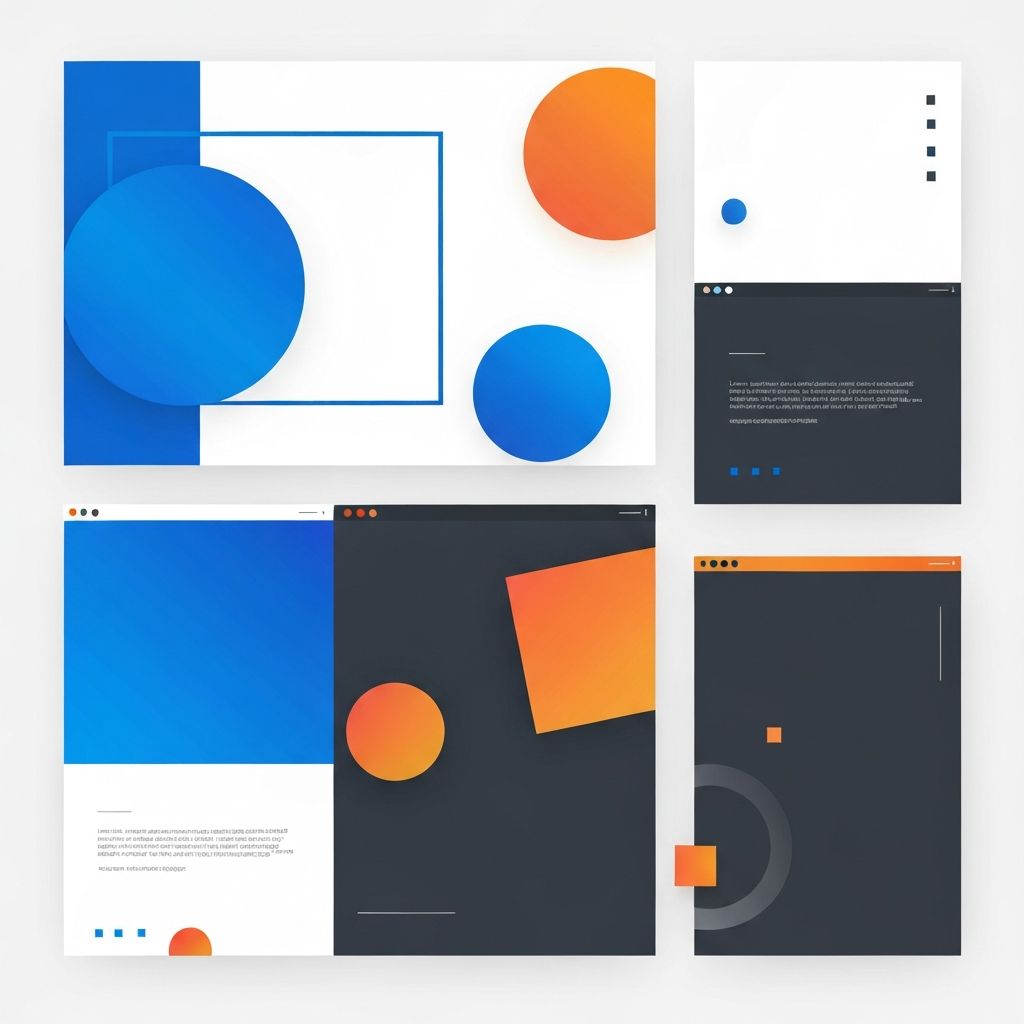
Simple Web Design Examples
Why Simple Web Design Is Harder Than It Looks
People often assume that simple web design means easy web design. The opposite is usually true. A simple, minimal website that still feels distinctive, conveys brand personality, and converts visitors is one of the most demanding things a designer can produce. Every element on the page has nowhere to hide. Every spacing decision matters. Every word counts. At AAMAX.CO, we have helped clients across industries embrace simple design without sacrificing impact, and we have learned that simple is a practiced discipline rather than a default.
This article walks through what simple web design really means, where it works best, and the patterns that consistently deliver clean, effective results.
The Core Principles of Simple Design
Simple web design rests on a handful of timeless principles. The first is clarity. The user should immediately understand what the site is, who it is for, and what they should do next. The second is whitespace. Generous breathing room around content gives the eye places to rest and emphasizes what matters. The third is hierarchy. A clear visual order guides the user through the content without confusion.
The fourth principle is restraint. Simple design says no to most ideas. It picks one or two strong moments per page and lets them shine. The fifth is craft. With less on the screen, every detail must be precise. Typography, alignment, color, and motion all carry more weight in a minimal design than they would in a busy one.
Common Patterns That Work
The hero with a single statement, supporting line, and one button is a classic simple pattern. It works because it answers the user's first questions instantly without distraction. The grid of three or four cards, each with an icon, headline, and brief description, is another reliable pattern for summarizing services or features.
Long-form content pages with generous typography, narrow column widths, and minimal visuals work beautifully for blog posts, manifestos, and storytelling pages. Pricing pages with two or three plans presented in clean columns help users decide without overwhelm. Each pattern relies on simplicity to give the user clear, confident decisions.
Examples by Industry
For agencies and consultancies, simple websites with bold typography, ample whitespace, and a strong portfolio grid project confidence and craft. For SaaS products, simple websites with a clear hero, product screenshot, and step-by-step explanation help convert technical visitors quickly. For ecommerce, simple websites focus the visitor on a curated selection of products without distracting cross-sells until the right moment.
For service businesses, simple websites surface trust signals, contact information, and clear calls to action without making the visitor wade through clutter. Across all of these industries, the common thread is reduced cognitive load. Our team applies these patterns across every project, from Website Design for boutique brands to large-scale corporate redesigns.
Typography Carries the Weight
In a simple design, typography becomes the central design element. Strong typographic hierarchy, comfortable line lengths, and confident scale changes between heading and body create personality without needing decorative graphics. Font choice matters more than ever. A well-paired sans-serif and serif combination can carry an entire brand identity.
We typically limit our simple designs to two font families and three to five weight and size pairings. This restraint forces the typography to do its job rather than rely on visual noise.
Color Discipline
Simple websites tend to use restrained color palettes. A single dominant brand color, paired with neutrals like off-white, light gray, and dark gray, often delivers more impact than a six-color rainbow. Accent colors should be reserved for elements that genuinely need to stand out, like primary buttons or key callouts.
The discipline of choosing fewer colors forces clearer hierarchy. When everything is colorful, nothing stands out. When most of the page is neutral, the brand color becomes a powerful tool for directing attention.
Imagery and Illustration
Simple does not mean empty. Strong imagery can be a major part of a minimal design, but it must be considered carefully. Custom photography, branded illustrations, and high-quality product shots all work well. Generic stock photos almost always fail in a simple design because they cannot hide behind clutter.
Some of the most striking simple websites use a single hero image that fills the screen, paired with one short headline. The image does the heavy emotional lifting. The text closes the deal. Our Front-end Web Development team often pairs hero photography with subtle scroll-triggered animations to add depth without crowding the layout.
Microinteractions and Motion
Subtle motion can elevate a simple design by adding life without complexity. Gentle hover states, soft scroll-triggered fades, and refined cursor effects can give a minimal site an almost luxurious feel. The key is restraint. Heavy animation undermines simplicity. Used sparingly, motion reinforces the polished impression that simple design aims for.
Performance Benefits of Simple Design
Simple designs almost always perform better than complex ones. Fewer images, lighter scripts, and cleaner markup mean faster load times, better Core Web Vitals scores, and stronger SEO. Mobile users especially benefit from simple designs that download quickly and render without jank.
This performance advantage compounds. Faster sites rank better in search, convert more visitors, and cost less to host and maintain. We frequently see clients improve their Core Web Vitals dramatically after a redesign that simplifies their layout. Performance discipline is core to our Website Development process.
Common Mistakes to Avoid
Some simple designs fail because they confuse minimal with empty. A page with almost no content gives the visitor no reason to stay. Simple design should always provide enough information for the user to take the next step confidently. Other simple designs fail because they sacrifice personality for sterility. Brand voice, tone, and visual flair are not opposed to simplicity. They are amplified by it.
The biggest mistake is mistaking simple visuals for simple thinking. Behind every successful simple website is a tremendous amount of strategic decision-making about what to leave out. The result feels effortless, but it is the product of focused effort.
How to Apply Simplicity to Your Site
Start with your goals. What do you want visitors to do? What do they need to know to do it? Strip everything that does not directly serve those goals. Then add only what enhances clarity, builds trust, or supports the next action. Test ruthlessly with real users. If something does not earn its place, remove it.
Hire Us for Effective Simple Design
Simple web design demands strategy, craft, and discipline. As a full service digital marketing company, we combine all three with deep technical expertise. Whether you need a clean redesign, a new build, or specialized work like Strapi CMS Website Development, our team can deliver a website that is simple, beautiful, and effective. Get in touch with us today to start your project.
Want to publish a guest post on aamax.co?
Place an order for a guest post or link insertion today.
Place an Order