

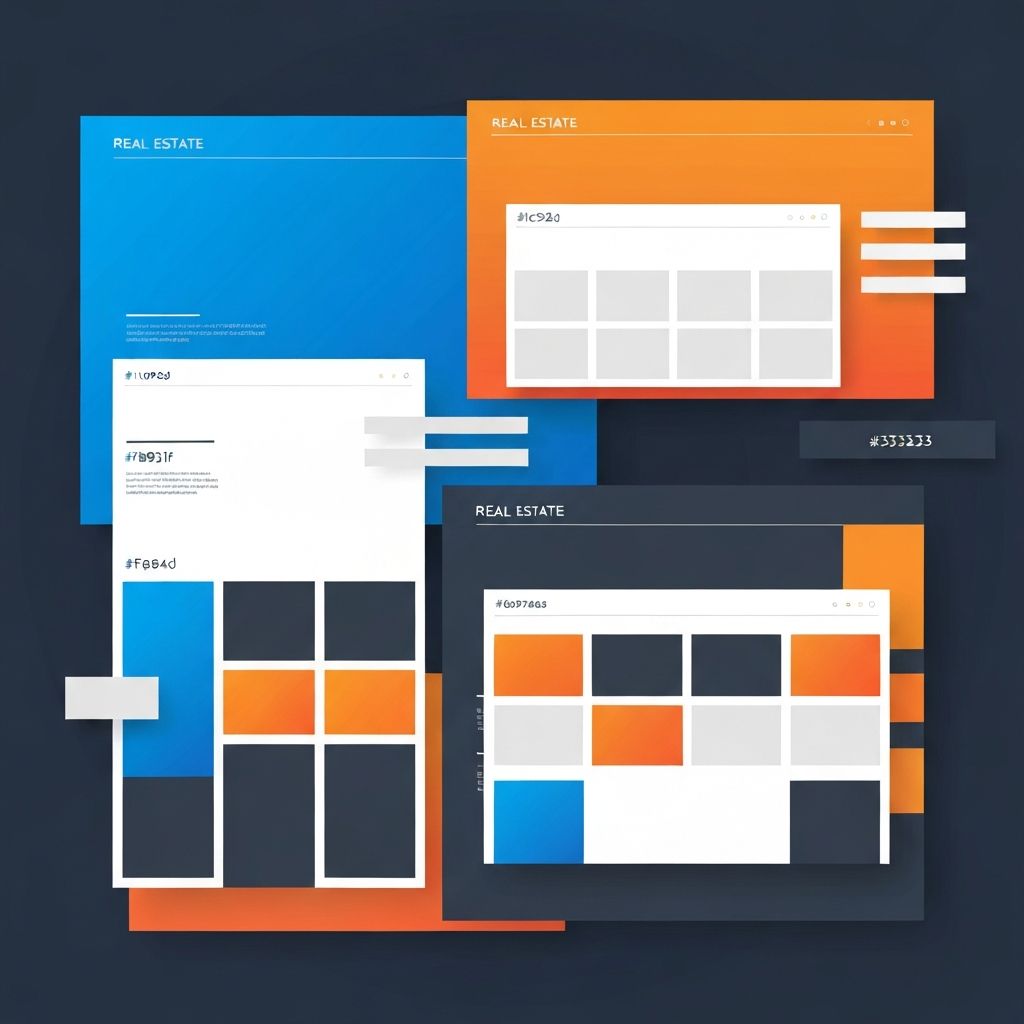
Real Estate Web Design Templates
Navigating Real Estate Web Design Templates
Real estate web design templates offer pre-built website frameworks specifically designed for property professionals. These templates provide starting points that accelerate website launch while delivering industry-appropriate functionality. Understanding template options helps real estate professionals make informed decisions about their web presence strategies.
At AAMAX.CO, we help real estate professionals evaluate whether templates or custom solutions best serve their specific needs. Whether implementing templates or developing custom websites, our team ensures real estate professionals receive effective digital tools that generate leads and support business growth.
Advantages of Real Estate Templates
Cost efficiency represents the primary template advantage. Pre-built designs eliminate custom design expenses, making professional websites accessible to agents and brokerages with limited marketing budgets. This affordability enables digital presence establishment that might otherwise be financially prohibitive.
Speed to launch accelerates market entry. Templates require configuration rather than creation, dramatically reducing time between decision and deployment. Real estate professionals can establish online presence within days rather than months typically required for custom development.
Proven designs reduce risk. Popular templates have been refined based on user feedback and conversion data. Choosing well-reviewed templates provides confidence that design patterns work effectively for real estate applications.
Limitations of Template-Based Approaches
Design similarity with competitors dilutes brand differentiation. Popular templates appear across numerous real estate websites, making visual distinction difficult. Visitors encountering similar designs across multiple agent sites may perceive interchangeable services.
Customization constraints limit brand expression. While templates offer configuration options, fundamental design elements remain fixed. Brands requiring unique visual identities struggle within template limitations.
Functionality restrictions prevent certain feature implementations. Templates support anticipated use cases but cannot accommodate unique requirements without significant modification. Our website development services help when templates cannot deliver required functionality.
Evaluating Real Estate Template Quality
Design quality varies dramatically across template marketplaces. Professional typography, appropriate imagery, and coherent visual systems indicate quality templates. Evaluate templates on actual content rather than demo imagery that may not reflect realistic usage.
Code quality impacts performance and maintainability. Well-coded templates load quickly and update smoothly. Poorly coded templates may function initially but create problems as requirements evolve or platforms update.
Support and documentation affect long-term success. Active template developers provide updates, answer questions, and fix reported issues. Abandoned templates lack ongoing support, potentially leaving users with outdated, vulnerable websites.
Essential Features in Real Estate Templates
Property listing displays require attention in template evaluation. How templates present properties—images, details, and search interfaces—directly impacts user experience. Evaluate listing functionality against your specific inventory and presentation needs.
IDX integration capability matters for agents displaying MLS listings. Not all templates support IDX providers, and integration quality varies. Confirm compatibility with preferred IDX solutions before committing to templates.
Lead capture mechanisms must align with sales processes. Contact forms, property inquiry systems, and registration features generate business opportunities. Evaluate whether template lead capture meets your conversion strategy requirements.
Customizing Real Estate Templates
Color and typography adjustments align templates with brand identities. Most quality templates offer configuration options for primary colors, fonts, and basic layout variations. These adjustments create differentiation within template frameworks.
Content replacement transforms demo sites into authentic brand expressions. Professional photography, compelling copywriting, and genuine testimonials distinguish your site from default template appearances. Content quality often matters more than design uniqueness.
Functional customization may require developer assistance. Adding features, modifying behaviors, or integrating external systems typically requires coding expertise. Our WordPress development services support template customization for WordPress-based solutions.
Template Platforms for Real Estate
WordPress dominates real estate template offerings. Themes from ThemeForest, Elegant Themes, and real estate-specific developers provide extensive options. WordPress flexibility allows significant customization when templates require modification.
Website builders like Squarespace and Wix offer simpler alternatives. These platforms trade customization flexibility for ease of use, suiting agents who prioritize simplicity over advanced functionality.
Real estate-specific platforms bundle templates with industry tools. Placester, Sierra Interactive, and similar services provide templates alongside IDX, CRM, and marketing automation. These integrated solutions simplify technology management but limit platform flexibility.
When to Choose Custom Development
Unique brand positioning demands custom design. Luxury brokerages, innovative agencies, and market leaders often require distinctive websites that templates cannot deliver. Our website design services create unique visual identities that differentiate clients.
Complex functionality requirements exceed template capabilities. Custom search interfaces, proprietary tools, or unusual integration needs may necessitate custom development. Our web application development expertise addresses complex functional requirements.
Scale and performance demands may outgrow template architectures. Large brokerages with thousands of agents or extensive listing inventories may require custom solutions optimized for their specific scale.
Hybrid Approaches to Real Estate Web Design
Template starting points with custom extensions balance efficiency and uniqueness. Beginning with templates accelerates initial launch while custom development adds differentiating features over time. This phased approach manages costs while building toward ideal solutions.
Headless architectures separate content management from presentation. Choosing excellent CMS platforms with custom front-end development creates flexible, unique websites. Our Strapi CMS website development services enable these modern architectures.
Component-based customization modifies specific template elements. Rather than replacing entire templates, focused development improves critical components while retaining efficient template foundations.
Making the Right Choice for Your Business
Budget reality guides initial decisions. Limited resources make templates practical choices that establish presence immediately. As businesses grow, reinvestment in custom solutions becomes feasible.
Competitive analysis reveals market positioning requirements. If competitors use similar templates, differentiation through custom design creates advantages. If custom websites are industry standard, templates may position you as less professional.
Growth projections influence platform decisions. Choosing scalable solutions—whether templates with expansion potential or custom systems built for growth—prevents painful migrations as businesses evolve.
Our team helps real estate professionals navigate these decisions. Whether implementing templates, customizing existing sites, or developing custom solutions, we provide expertise that serves your specific situation. Contact us to discuss the best approach for your real estate web presence.
Want to publish a guest post on aamax.co?
Place an order for a guest post or link insertion today.
Place an Order