

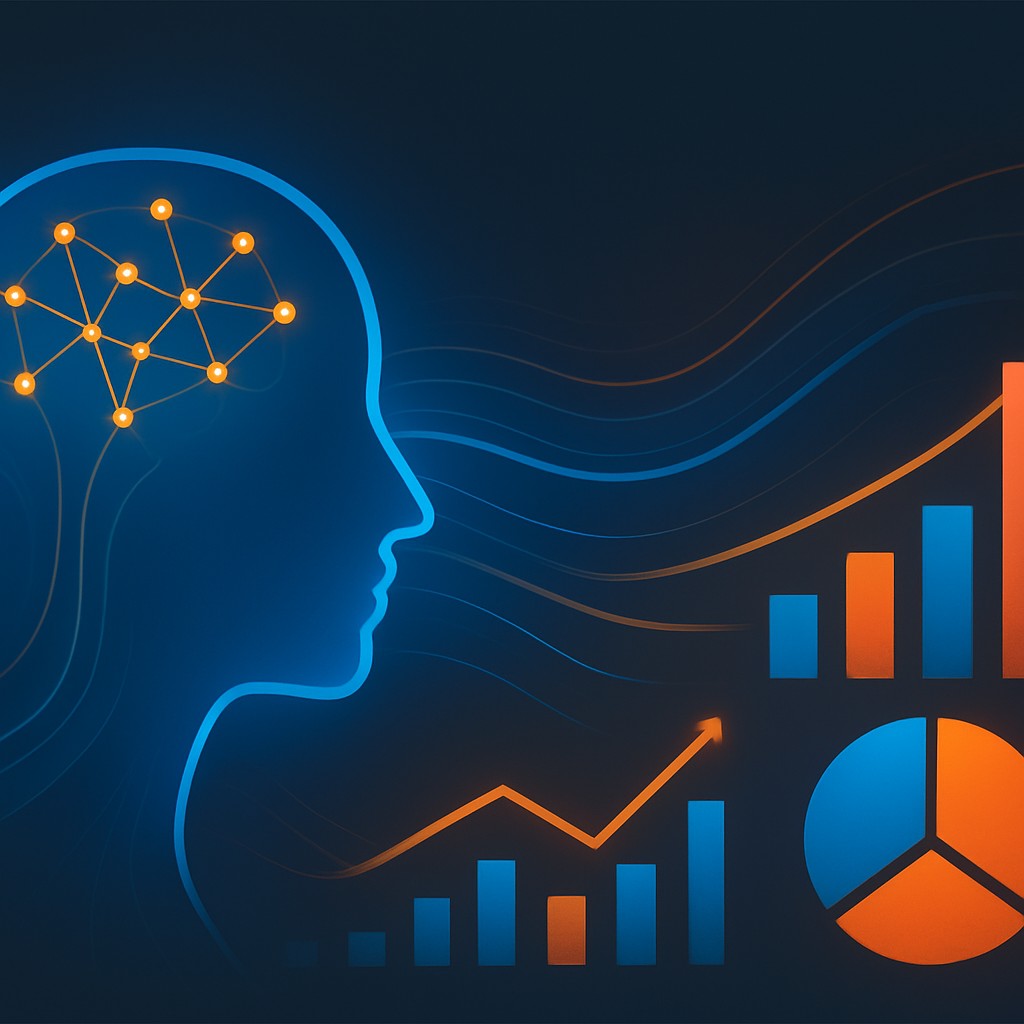
Qué Significa Modelo Ai-First Human-Centered en Marketing
The phrase AI-first, human-centered describes one of the most important shifts in modern marketing. It means designing your marketing operations so that artificial intelligence handles scale, speed, and data, while human creativity, empathy, and judgment remain at the center of every decision. It is not about choosing between AI and people; it is about combining them so that technology amplifies human insight rather than replacing it. This balanced philosophy is becoming the default for high-performing marketing teams.
How We Can Help at AAMAX.CO
At AAMAX.CO, we live by exactly this model. We use AI to power efficient, data-driven campaigns while keeping human strategy and creativity in charge. Our digital marketing team applies AI-first, human-centered thinking to deliver personalized, high-impact results for clients worldwide, ensuring technology serves your brand and your customers.
What AI-First Really Means
Being AI-first means defaulting to AI and automation for tasks where machines excel: analyzing large datasets, personalizing content at scale, optimizing ad spend in real time, segmenting audiences, predicting behavior, and automating repetitive workflows. Instead of treating AI as an occasional add-on, an AI-first organization builds it into the foundation of how marketing operates. This unlocks speed and scale that manual processes simply cannot match.
What Human-Centered Adds
Human-centered means that despite all this automation, real people remain the focus and the final authority. Humans set strategy, craft brand stories, ensure emotional resonance, uphold ethics, and make nuanced creative decisions. It also means the customer experience stays empathetic and authentic rather than cold and robotic. The human layer ensures AI is used responsibly and that marketing still feels genuinely human to the audience. People bring cultural awareness, emotional intelligence, and an understanding of context that no model can fully replicate, and these qualities are what turn data-driven campaigns into meaningful connections that build loyalty over time.
Why the Balance Matters
AI without human guidance can produce generic, off-brand, or even tone-deaf marketing. Humans without AI cannot keep up with the scale, personalization, and speed that modern audiences expect. The AI-first, human-centered model captures the strengths of both: the efficiency and intelligence of machines, guided by the creativity and values of people. This combination consistently outperforms either approach on its own.
Personalization at Scale With a Human Touch
One of the clearest benefits of this model is personalization. AI can tailor messages, offers, and experiences to individuals across millions of touchpoints. Humans ensure those personalized experiences feel thoughtful and respectful rather than intrusive. The result is marketing that is both highly relevant and genuinely considerate of the customer, building trust instead of eroding it.
Creativity Amplified, Not Replaced
In this model, AI handles research, variations, and optimization, freeing human creatives to focus on big ideas, storytelling, and brand identity. Marketers can test more concepts faster and let data inform creative direction, while the original spark and emotional intelligence still come from people. Creativity becomes more powerful when supported by AI rather than constrained by manual limits.
How to Apply the Model
Start by identifying which tasks should be AI-first: analytics, A/B testing, ad optimization, content drafting, and audience segmentation. Then define where humans must lead: strategy, brand voice, creative direction, ethics, and customer relationships. Build workflows where AI proposes and humans decide. Invest in training your team to work alongside AI tools, and continuously measure both efficiency gains and the quality of the customer experience.
Building Trust in an AI-Driven World
As consumers grow more aware of AI, trust becomes a key differentiator. The human-centered side of this model ensures transparency, ethical data use, and authentic communication. Customers respond well to brands that use AI to serve them better while respecting their privacy and treating them as people, not data points. Maintaining this trust is essential, and it depends on human judgment guiding how AI is applied at every touchpoint.
Common Pitfalls to Avoid
Brands often stumble by going too far in either direction. Over-automating leads to generic, robotic marketing that alienates audiences, while under-using AI leaves teams unable to compete on speed and personalization. Another pitfall is deploying AI without clear human oversight, which risks off-brand or inaccurate output. The AI-first, human-centered model avoids these traps by clearly defining where machines lead and where humans must stay in control.
The Future of Marketing Teams
Marketing teams built around this model look different. They combine data and AI specialists with creative strategists and brand stewards, all working together. Roles shift toward directing and refining AI rather than performing every task manually. Teams that embrace this structure become more agile, more data-driven, and more creative at once, positioning themselves to adapt as AI capabilities continue to advance.
Conclusion
The AI-first, human-centered model means letting AI power the scale and intelligence of your marketing while keeping human creativity, empathy, and judgment firmly in control. It is the most effective way to grow in a data-driven world without losing the human connection that builds lasting brands. To put this balanced approach to work for your business, partner with AAMAX.CO.
Want to publish a guest post on aamax.co?
Place an order for a guest post or link insertion today.
Place an Order