

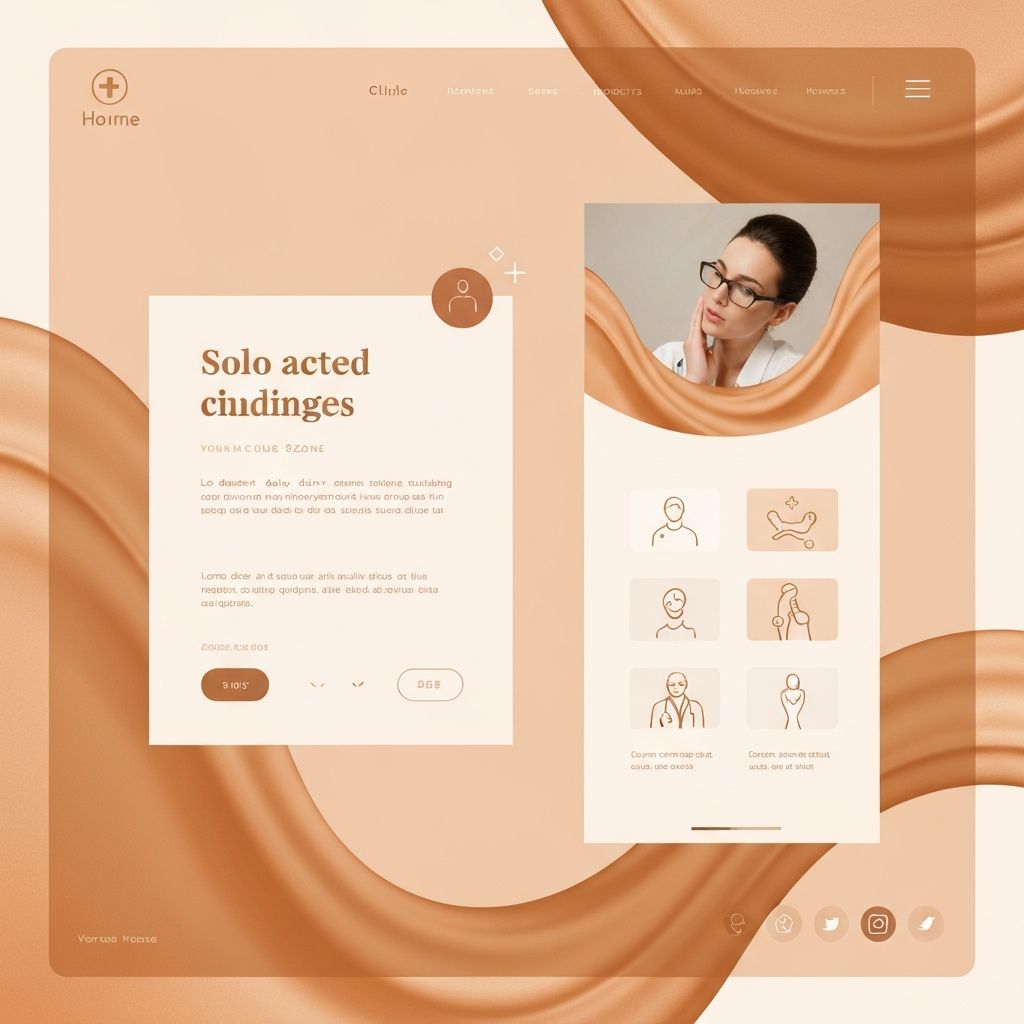
Plastic Surgery Web Design
The Importance of Professional Web Design for Plastic Surgery Practices
In the highly competitive world of plastic surgery and aesthetic medicine, your website serves as the digital front door to your practice. Potential patients researching procedures, comparing surgeons, and seeking information about transformative treatments will form their first impression based on your online presence. This makes professional plastic surgery web design not just important—it's essential for practice growth and patient acquisition.
The aesthetic medicine industry demands websites that reflect the same level of quality, professionalism, and attention to detail that patients expect from their surgical outcomes. A poorly designed website can undermine even the most skilled surgeon's credibility, while a stunning, user-friendly site builds confidence and encourages prospective patients to take the next step.
Key Elements of Effective Plastic Surgery Web Design
Creating a website for a plastic surgery practice requires careful consideration of several critical elements that work together to inform, engage, and convert visitors into patients.
Visual excellence is paramount. Your website must showcase beautiful, professional imagery that reflects the transformative results patients can expect. High-quality before and after photos, professionally shot images of your facility, and polished graphics convey the premium nature of your services.
Trust signals are crucial in healthcare web design. Potential patients need reassurance that they're choosing a qualified, experienced surgeon. Display board certifications, professional memberships, awards, and years of experience prominently. Patient testimonials and reviews provide social proof that builds confidence.
Educational content positions your practice as an authority while helping patients make informed decisions. Detailed procedure pages explaining what to expect, recovery timelines, and potential outcomes demonstrate expertise and transparency.
Designing for the Plastic Surgery Patient Journey
Understanding how potential patients interact with plastic surgery websites allows us to design experiences that guide them naturally toward consultation requests. At AAMAX.CO, we specialize in creating websites that map to the patient journey and optimize conversions at every stage.
The awareness stage involves patients researching procedures and surgeons. Your website needs comprehensive, SEO-optimized content that answers common questions and appears in relevant searches. Blog posts, procedure guides, and FAQ sections serve this audience effectively.
During the consideration stage, patients compare options and evaluate surgeons. This is where before and after galleries, surgeon credentials, patient testimonials, and detailed practice information become critical. Make it easy for visitors to find the information they need to feel confident in choosing your practice.
The decision stage is when patients are ready to act. Clear calls-to-action, easy-to-find contact information, and streamlined consultation booking processes remove friction and encourage conversions. Our website design services focus on creating intuitive pathways that guide patients to take action.
Essential Features for Plastic Surgery Websites
Beyond beautiful design, plastic surgery websites require specific functionality to serve both the practice and potential patients effectively.
Before and after galleries are perhaps the most important feature for any aesthetic practice website. These galleries showcase your work and help patients visualize potential outcomes. Implement galleries with filtering by procedure, easy navigation, and high-quality image display.
Online consultation scheduling streamlines the booking process and captures leads 24/7. Integration with practice management software ensures seamless operations while providing convenience for busy potential patients.
Virtual consultation capabilities have become increasingly important. Many patients prefer initial consultations via video, and your website should facilitate this option easily.
Patient portals for existing patients to access forms, pre and post-operative instructions, and communicate with the practice enhance the overall patient experience and reduce administrative burden.
Mobile-First Design for Plastic Surgery Practices
More than half of all web traffic comes from mobile devices, making responsive, mobile-optimized design non-negotiable. For plastic surgery practices, mobile design considerations take on added importance.
Patients often research procedures during private moments—perhaps during lunch breaks or in the evening at home. A mobile-friendly website ensures they can access your content comfortably on their smartphones without frustrating pinching and zooming.
Click-to-call functionality makes it easy for mobile visitors to contact your practice directly. One tap should connect them with your front desk, removing barriers to inquiry.
Mobile-optimized forms ensure consultation requests can be submitted easily on smaller screens. Long, complicated forms with tiny input fields frustrate mobile users and lead to abandoned submissions.
Our front-end web development team creates responsive designs that deliver exceptional experiences across all devices.
Building Trust Through Design
Trust is the foundation of any patient-doctor relationship, and your website design plays a crucial role in establishing that trust before the first interaction.
Professional photography of your surgeon, team, and facility humanizes your practice and helps patients feel more comfortable. Stock photos, while sometimes necessary, can feel impersonal. Invest in custom photography that authentically represents your practice.
Transparent pricing information, while not always including exact costs, should give patients a general understanding of investment ranges. Hidden pricing creates suspicion and drives potential patients to competitors who are more forthcoming.
Accessible contact information displayed prominently throughout the site signals availability and willingness to engage. Multiple contact options—phone, email, contact forms, chat—accommodate different preferences.
Security indicators such as SSL certificates (shown by the padlock icon in browsers) and HIPAA compliance statements reassure visitors that their information is protected.
SEO Considerations for Plastic Surgery Websites
A beautiful website means nothing if potential patients can't find it. Search engine optimization ensures your practice appears when people search for procedures and surgeons in your area.
Local SEO is particularly important for plastic surgery practices. Optimize for searches like "rhinoplasty surgeon [city name]" or "facelift near me" by including location-specific content, maintaining consistent NAP (name, address, phone) information, and claiming your Google Business Profile.
Procedure-specific pages targeting relevant keywords help you rank for specific treatments. Create dedicated pages for each procedure you offer, optimized for the terms patients actually search.
Quality content that answers patient questions signals expertise to search engines while providing value to visitors. Regular blog posts addressing common concerns, explaining procedures, and discussing trends demonstrate ongoing engagement.
Technical SEO factors like page speed, mobile-friendliness, and proper site structure affect rankings significantly. Our website development team ensures your site meets all technical requirements for optimal search performance.
Compliance and Privacy in Medical Web Design
Healthcare websites must navigate complex regulatory requirements that don't apply to other industries. HIPAA compliance, medical advertising regulations, and patient privacy concerns require careful attention.
Any features that collect patient information—contact forms, consultation requests, patient portals—must comply with HIPAA requirements for data protection. Secure forms, encrypted data transmission, and proper data storage are essential.
Before and after photos require proper consent documentation. Your website should only display images from patients who have provided written permission for their use in marketing materials.
Medical claims and advertising must comply with relevant regulations. Avoid making guarantees about outcomes or using misleading language about results.
Integrating Your Website with Practice Operations
Your website should integrate seamlessly with your practice management systems to maximize efficiency and provide a cohesive patient experience.
Appointment scheduling integration allows online bookings to flow directly into your calendar system, eliminating manual data entry and reducing the chance of errors.
CRM integration captures leads from your website and organizes them for follow-up. Automated nurture sequences can engage potential patients who aren't ready to book immediately.
Review collection tools help you gather testimonials from satisfied patients, building the social proof that influences future patients.
Choosing the Right Web Design Partner for Your Practice
Not every web design company understands the unique needs of plastic surgery practices. When selecting a partner, look for experience in healthcare and aesthetic medicine specifically.
Ask to see examples of other medical practice websites they've designed. Evaluate these sites critically—do they convey professionalism and trust? Are they easy to navigate? Do they effectively showcase results?
Inquire about their understanding of healthcare compliance requirements. A partner unfamiliar with HIPAA and medical advertising regulations could inadvertently create compliance issues for your practice.
Consider their approach to ongoing support and updates. Your website isn't a one-time project; it requires continuous maintenance, security updates, and content additions.
We bring extensive experience in medical and aesthetic practice web application development, combined with a deep understanding of what makes patients choose one surgeon over another.
The Investment in Professional Web Design
Quality plastic surgery web design requires significant investment, but the return more than justifies the cost when executed properly. Consider that a single new patient can represent thousands of dollars in procedure fees. A website that converts just a few additional visitors into patients each month quickly pays for itself.
Beyond direct patient acquisition, a professional website supports your overall marketing efforts. Social media campaigns, paid advertising, and referral programs all drive traffic to your site, where the design and content work to convert that traffic into consultations.
Conclusion
Your plastic surgery website is often the first impression potential patients have of your practice. In an industry where aesthetics and attention to detail are everything, your online presence must reflect the same standards of excellence that define your surgical work.
Professional plastic surgery web design combines stunning visuals, trust-building elements, and strategic functionality to attract, engage, and convert prospective patients. From mobile-optimized designs to HIPAA-compliant features, every element works together to support your practice goals.
We specialize in creating beautiful, effective websites for plastic surgery practices and aesthetic medicine professionals. Our team understands the unique requirements of your industry and delivers solutions that drive real results. Contact us today to discuss how we can elevate your online presence and help your practice grow.
Want to publish a guest post on aamax.co?
Place an order for a guest post or link insertion today.
Place an Order