

Modern Vintage Web Design
The Essence of Modern Vintage Web Design
Modern vintage web design creates sophisticated digital experiences by applying timeless design principles with contemporary web technologies. At AAMAX.CO, we appreciate how this approach delivers websites that feel both established and current, combining the elegance of classical design with the functionality modern users expect.
Unlike trendy designs that quickly feel dated, vintage-inspired aesthetics draw from proven design traditions that have demonstrated lasting appeal. Art Deco geometry, Victorian ornamentation, mid-century modern simplicity, and other historical movements provide rich inspiration for websites seeking distinguished visual identities.
Historical Design Movements as Inspiration
Art Deco influence brings geometric elegance. Bold lines, symmetrical patterns, gold accents, and luxurious materials characterize this 1920s-30s movement. Web adaptations capture its sophistication through geometric ornaments, rich color palettes, and elegant typography.
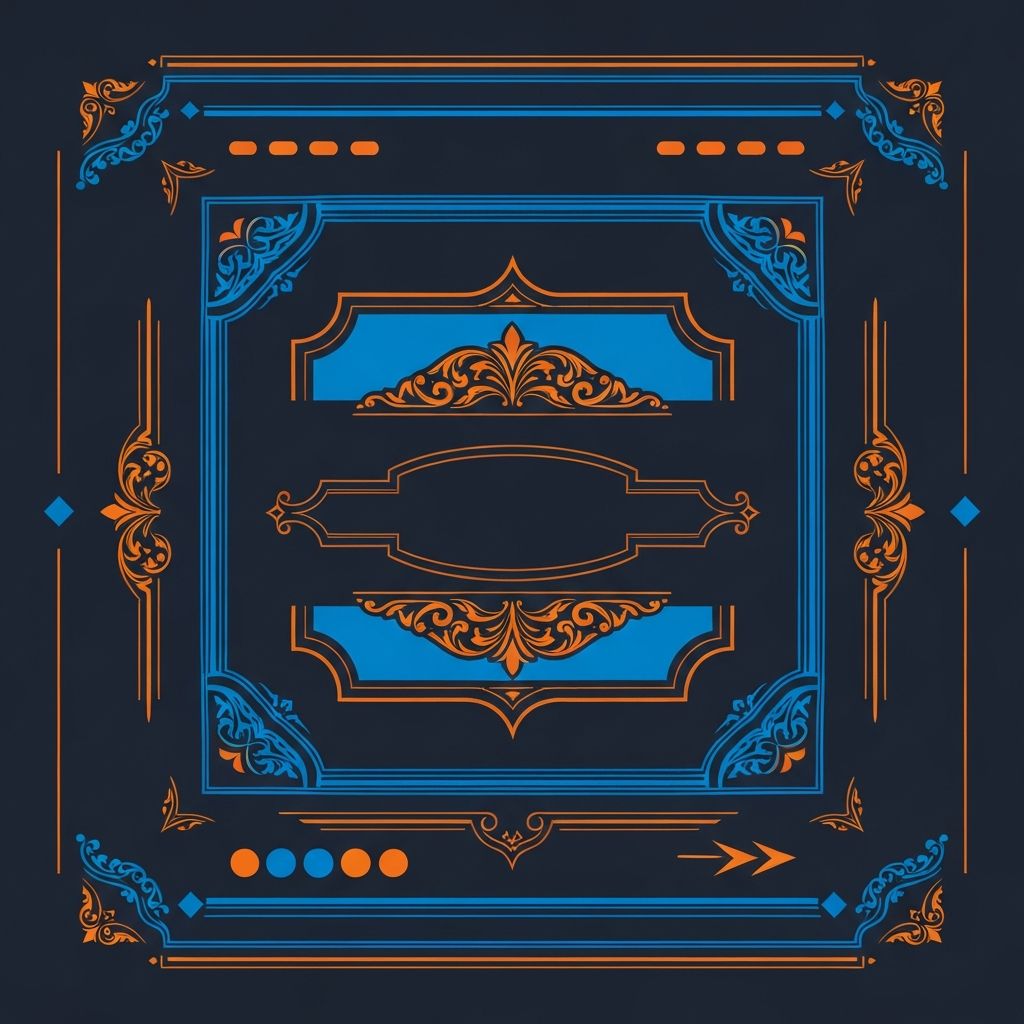
Victorian aesthetics offer ornate richness. Intricate borders, decorative frames, detailed illustrations, and elaborate typography recall 19th-century printed materials. This approach suits brands wanting to convey craftsmanship, heritage, and attention to detail.
Mid-century modern provides clean sophistication. Organic shapes, warm wood tones, cheerful colors, and functional aesthetics from the 1950s-60s create approachable yet distinctive designs. This influence works particularly well for lifestyle and design-focused brands.
Typography in Vintage-Inspired Design
Serif typefaces anchor vintage aesthetics. Classical serifs with varying weights create hierarchy and elegance. Display serifs with distinctive personalities establish period connections while modern optical sizing ensures digital readability.
Script and decorative fonts add personality. Carefully selected script typefaces provide flourish without sacrificing legibility. Our website design services pair decorative display type with readable companions for optimal results.
Typographic ornaments and flourishes enhance vintage atmosphere. Decorative rules, ornamental dividers, and typographic embellishments add period-appropriate detail while breaking up content attractively.
Color Palettes for Vintage Aesthetics
Muted, sophisticated palettes distinguish vintage design. Rather than bright, saturated digital colors, vintage palettes feature aged paper tones, antique golds, deep jewel colors, and weathered neutrals that suggest history and permanence.
Monochromatic schemes with accent colors create elegance. A base of cream or aged white with black text and a single accent color—burgundy, forest green, or navy—achieves refined simplicity common in traditional printing.
Duotone applications reference historical printing limitations. Two-color designs recall newspaper printing and early advertising, creating distinctive visual styles that stand out from full-color contemporary designs.
Texture and Material Representation
Paper textures add analog warmth. Subtle grain, aged paper backgrounds, and fiber textures soften digital precision, creating organic feels that connect with physical materials people trust.
Wood, leather, and metal textures suggest quality materials. These textures, carefully applied as backgrounds or accents, evoke craftsman workshops, leather-bound books, and brass fixtures—associations with quality and longevity.
Wear and patina communicate authenticity. Subtle distressing, worn edges, and aged effects suggest items that have proven their worth over time. However, these effects must be applied judiciously to avoid appearing gimmicky.
Layout Principles from Print Design
Classical proportions create harmonious compositions. Golden ratio, rule of thirds, and other mathematical relationships that guided historical design inform vintage-inspired layouts, creating pleasing visual balance.
Generous white space indicates quality. Traditional high-end print materials used ample margins and spacing to convey luxury and importance. Digital adaptations preserve this spacious approach, resisting the urge to fill every pixel.
Grid systems inspired by print traditions organize content elegantly. Multi-column layouts, aligned baselines, and consistent gutters create the structured refinement characteristic of quality publications. Our front-end web development implements these principles responsively.
Imagery in Vintage Design
Illustration over photography suits many vintage approaches. Hand-drawn illustrations, engravings, and decorative artwork recall pre-photography eras while providing visual flexibility that photography cannot match.
Photography treatment creates period-appropriate aesthetics. Black and white conversion, sepia toning, faded colors, and vignetting transform contemporary photos to match vintage palettes and atmospheres.
Archival and historical imagery provides authentic connections. When available, actual historical photographs or authentic period materials ground vintage designs in reality rather than mere stylistic imitation.
Interactive Elements and Animation
Subtle, refined animations suit vintage aesthetics. Where contemporary designs might feature bold, attention-grabbing motion, vintage-inspired sites benefit from gentle fades, elegant reveals, and understated transitions.
Hover effects reference physical interactions. Buttons that appear to press, elements that catch light, and materials that respond naturally create tactile associations that reinforce vintage material references.
Page transitions can evoke historical media. Fade-outs reminiscent of film, page-turn effects for content-rich sites, or typewriter-style text appearances extend vintage themes into interaction design.
Modern Functionality in Vintage Packages
Contemporary UX patterns operate within vintage aesthetics. Navigation conventions, form interactions, and user flows must meet modern expectations regardless of visual styling. Users shouldn't have to learn new interactions because of aesthetic choices.
Performance optimization ensures fast experiences. Vintage visual treatments, particularly textures and custom fonts, require careful optimization to prevent slow loading. Our website development process balances aesthetic richness with technical performance.
Responsive design adapts vintage layouts for all devices. Complex layouts inspired by print must simplify gracefully for mobile screens while maintaining vintage character. This adaptation requires thoughtful design translation.
Accessibility in Vintage Design
Contrast ratios must meet standards despite vintage palettes. Low-contrast color combinations common in vintage aesthetics require adjustment to ensure readability for all users, including those with visual impairments.
Decorative fonts need functional alternatives. While display typefaces establish vintage atmosphere, body text must remain readable. Clear typographic hierarchy ensures aesthetic fonts enhance rather than hinder comprehension.
Screen reader compatibility cannot be sacrificed. Decorative elements must be appropriately hidden from assistive technology while meaningful content remains accessible and properly structured.
Industries Suited to Vintage Design
Heritage brands leverage vintage design naturally. Companies with genuine historical connections can authentically employ vintage aesthetics that reinforce their established reputations and time-tested quality.
Craft and artisan businesses benefit from handmade associations. Vintage aesthetics communicate care, skill, and attention that mass-produced competitors cannot claim. This connection supports premium positioning.
Hospitality and experience businesses create atmospheric anticipation. Hotels, restaurants, and entertainment venues use vintage design to establish mood before guests arrive, building excitement through aesthetic promise. Our web application development can incorporate vintage aesthetics into functional booking systems.
Avoiding Vintage Design Pitfalls
Authenticity requires research and restraint. Mixing elements from incompatible periods creates visual confusion. Successful vintage design demonstrates genuine understanding of referenced traditions.
Functionality must never suffer for aesthetics. Users frustrated by unusable interfaces won't appreciate their beauty. Vintage styling should enhance, not obscure, core functionality.
Trend awareness prevents dated results. While drawing from timeless traditions, vintage designs must avoid implementations that will themselves quickly feel dated.
Creating Timeless Digital Experiences
At AAMAX.CO, we approach vintage-inspired design with deep appreciation for historical traditions and commitment to contemporary excellence. Our designers study the movements that inspire our work, ensuring authentic implementations that honor their sources.
Whether channeling Art Deco glamour, Victorian detail, or mid-century optimism, we create vintage-inspired websites that serve modern needs beautifully. Contact us to explore how timeless design principles might elevate your digital presence.
Want to publish a guest post on aamax.co?
Place an order for a guest post or link insertion today.
Place an Order