

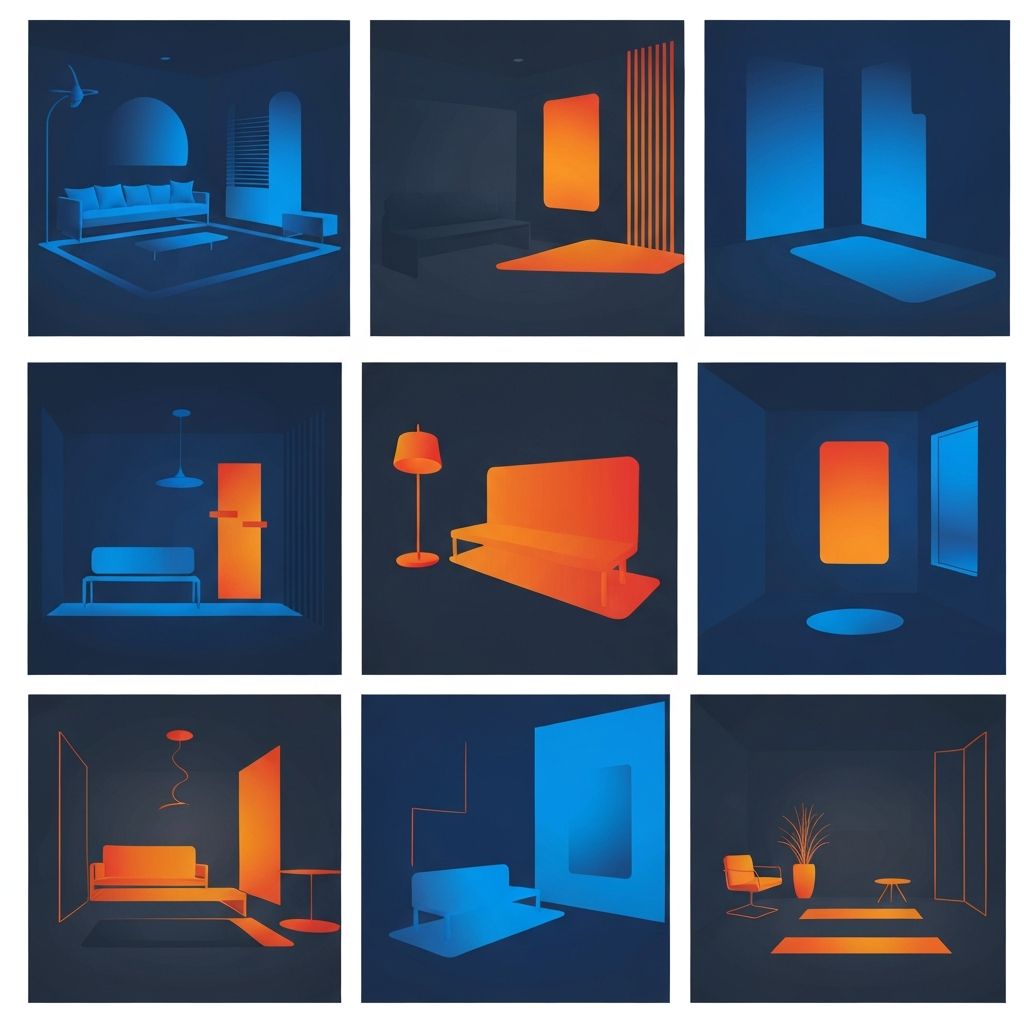
Interior Design Web Page Templates
Introduction to Interior Design Web Templates
Interior designers rely heavily on visual presentation to attract clients and showcase their creative vision. Web page templates designed specifically for interior design professionals must balance stunning imagery with practical functionality, creating online experiences that reflect design sensibility while serving business goals. At AAMAX.CO, we understand the unique requirements of creative industry websites and develop templates that let design work shine.
Interior design web templates differ from generic portfolio templates in crucial ways. They must accommodate large-format imagery, present projects in compelling narratives, convey design philosophy, and convert visitors into clients. Understanding these specialized requirements helps select or create templates that genuinely serve interior designers' needs.
Essential Features for Interior Design Templates
Effective interior design templates incorporate specific features that serve the profession's unique requirements.
Portfolio galleries form the core of interior design websites. Templates must support large, high-resolution images that showcase design work without compression artifacts or awkward cropping. Gallery options including grids, masonry layouts, and fullscreen slideshows provide flexibility for different presentation preferences.
Project case study layouts enable storytelling beyond simple image galleries. Interior design projects have narratives—client challenges, design concepts, material selections, before-and-after transformations. Templates should support rich project pages with multiple sections, image sequences, and descriptive content.
Service presentation areas communicate what designers offer and how they work. Clear service descriptions help potential clients understand engagement models, specializations, and processes. Templates should accommodate varied service structures from full-service design to consultation-only offerings.
Contact and inquiry systems facilitate client connections. Interior design templates need prominent contact options, inquiry forms, and possibly consultation booking capabilities. Making connection easy converts interested visitors into actual inquiries.
Visual Design Considerations
Interior design templates must achieve visual excellence while letting project photography remain the star.
Minimal interface elements prevent competition with design imagery. Clean layouts, restrained navigation, and ample whitespace let project photographs command attention. The template should recede, allowing work to speak for itself.
Typography choices reflect design sensibility. Interior designers often have strong typographic preferences aligning with their aesthetic. Templates should offer elegant font options—both serif and sans-serif—that complement various design styles from traditional to contemporary.
Color flexibility accommodates diverse portfolios. Neutral template palettes work with any project photography colors. However, accent colors should be customizable to align with brand identity without overwhelming project imagery.
Full-bleed imagery options maximize visual impact. Templates supporting edge-to-edge images create immersive presentations that showcase spatial design at appropriate scale.
Our website design expertise ensures interior design templates achieve the visual sophistication the profession demands.
Image Handling and Performance
Interior design websites are image-heavy by nature, making technical image handling crucial.
High-resolution support ensures images display sharply on all devices including high-density retina displays. Templates must properly serve appropriate resolutions without forcing desktop-sized images on mobile devices.
Lazy loading becomes essential for image-heavy pages. Loading all portfolio images immediately creates unacceptable delays. Progressive loading as users scroll maintains responsiveness while eventually displaying all content.
Image optimization tools or guidance help designers prepare images properly. Many interior designers aren't technical—templates should either auto-optimize uploads or provide clear guidance on preparation.
Gallery performance requires attention even with lazy loading. Complex animation effects on image-heavy galleries can create sluggish experiences. Templates should balance visual effects with smooth performance.
Portfolio Organization Structures
Different organizational approaches suit different portfolio styles and sizes.
Project-based organization groups work by individual client projects. This approach suits designers whose projects are distinct, comprehensive, and story-worthy. Each project becomes its own showcase.
Space-type organization categorizes work by room type—living rooms, kitchens, bedrooms, commercial spaces. This approach helps potential clients quickly find relevant examples matching their needs.
Style-based organization groups work by aesthetic approach—modern, traditional, transitional, minimalist. Designers with distinct styles might separate portfolios to help clients identify alignment.
Filtering and sorting capabilities let visitors explore portfolios according to their interests. Templates with robust filtering support multiple organization approaches simultaneously.
Service Page Templates
Service pages convert interest into action by clearly communicating offerings and processes.
Service category layouts present different offering tiers clearly. Full-service design, room refreshes, consultations, and virtual design services need distinct presentation accommodating varied scope and pricing structures.
Process explanations reduce uncertainty for potential clients. Many clients haven't hired designers before and don't understand engagement logistics. Clear process documentation builds confidence and manages expectations.
Pricing presentation varies by business model. Some designers show starting prices while others require consultation. Templates should flexibly accommodate different pricing disclosure approaches.
FAQ integration addresses common client questions proactively. Anticipating concerns about timelines, budgets, and logistics reduces barriers to inquiry.
About and Credibility Elements
Interior design clients hire based on trust and personal connection. About pages establish both.
Designer biography pages humanize professionals behind the work. Professional photography, personal stories, design philosophy statements, and credential highlights create connections beyond portfolio imagery.
Team presentation matters for firms with multiple designers. Individual profiles showing each team member's specialties and personalities help larger firms maintain personal connections.
Credential and publication features display industry recognition. Templates should accommodate award logos, publication features, certification badges, and professional association memberships.
Testimonial integration provides social proof from satisfied clients. Quote presentations, case study testimonials, or video reviews build trust through peer experiences.
Contact and Conversion Optimization
Ultimately, interior design websites must generate client inquiries. Templates should optimize this conversion.
Prominent contact access ensures visitors can easily reach out regardless of where they are on the site. Persistent contact buttons, footer forms, and clear navigation to contact pages remove friction.
Inquiry form design captures necessary information without overwhelming potential clients. Essential fields gather project basics while optional fields enable detailed submissions from eager prospects.
Response management integrations connect forms to CRM systems, email automation, or scheduling tools. Streamlined inquiry handling improves response times and professional impressions.
Consultation booking enables direct scheduling when appropriate. Embedded calendaring tools let prospects book discovery calls without back-and-forth email coordination.
Blog and Content Integration
Content marketing helps interior designers demonstrate expertise and improve search visibility.
Blog templates matching site aesthetics maintain design consistency across content pages. Blog layouts should feel native to the site rather than like afterthoughts.
Image-rich post formats suit interior design content. Design tips, trend discussions, and project stories benefit from generous imagery that templates should accommodate beautifully.
Category and tagging systems organize growing content libraries. As blogs accumulate posts, navigation structures help visitors find relevant topics.
Social sharing facilitates content distribution. Interior design visuals perform well on social platforms—sharing tools extend content reach.
Technical Requirements and Platform Options
Interior design templates must function on platforms appropriate for designer technical comfort.
WordPress development remains popular for interior design sites, offering user-friendly content management with extensive theme options. WordPress templates range from simple themes to sophisticated page builder setups.
Website builders like Squarespace and Showit specifically target creative professionals with templates designed for portfolio presentation. These platforms offer excellent visual control with manageable technical complexity.
Custom development using modern frameworks like Next.js enables sophisticated, high-performance interior design sites for designers seeking maximum customization and technical excellence.
E-commerce capabilities matter for designers selling products, books, or digital offerings. Templates should support or integrate with commerce functionality when needed.
Mobile Experience Excellence
Mobile optimization is non-negotiable—many clients browse interior design inspiration on phones and tablets.
Touch-friendly galleries enable smooth mobile portfolio browsing. Swipe gestures, appropriately sized controls, and responsive layouts create pleasant mobile experiences.
Fast mobile loading requires aggressive optimization. Interior design sites' image-heavy nature makes mobile performance challenging—templates must handle this effectively.
Mobile navigation must remain intuitive despite screen constraints. Hamburger menus, bottom navigation, or other mobile patterns should feel natural while providing access to all sections.
Click-to-call functionality enables immediate contact from mobile devices. Phone-based contact should be one tap away for mobile visitors.
SEO and Discoverability
Beautiful templates mean nothing if potential clients can't find them. SEO-friendly structures improve visibility.
Clean code and semantic markup help search engines understand content. Template quality affects crawlability and indexing beyond what designers see.
Image alt text fields enable proper image optimization. Since interior design sites rely heavily on images, proper alt text support is essential for accessibility and SEO.
Schema markup for local businesses helps interior designers appear in local searches. Templates supporting or guiding structured data implementation improve local visibility.
Page speed optimization affects search rankings. Google considers site speed, making performance-optimized templates valuable for discoverability.
Conclusion
Interior design web page templates must serve dual masters—creating stunning visual experiences while achieving business objectives. The best templates showcase design work beautifully while incorporating practical features that convert visitors into clients.
Whether selecting existing templates or developing custom solutions, understanding these requirements ensures interior designers' websites genuinely serve their practices. Visual excellence, performance optimization, portfolio flexibility, and conversion focus combine to create effective online presences.
Our team specializes in creative industry web development, understanding the unique needs of design professionals. From template customization to fully custom website development, we create online experiences that let interior design work shine. Contact us to discuss how we can help establish or enhance your digital presence.
Want to publish a guest post on aamax.co?
Place an order for a guest post or link insertion today.
Place an Order