

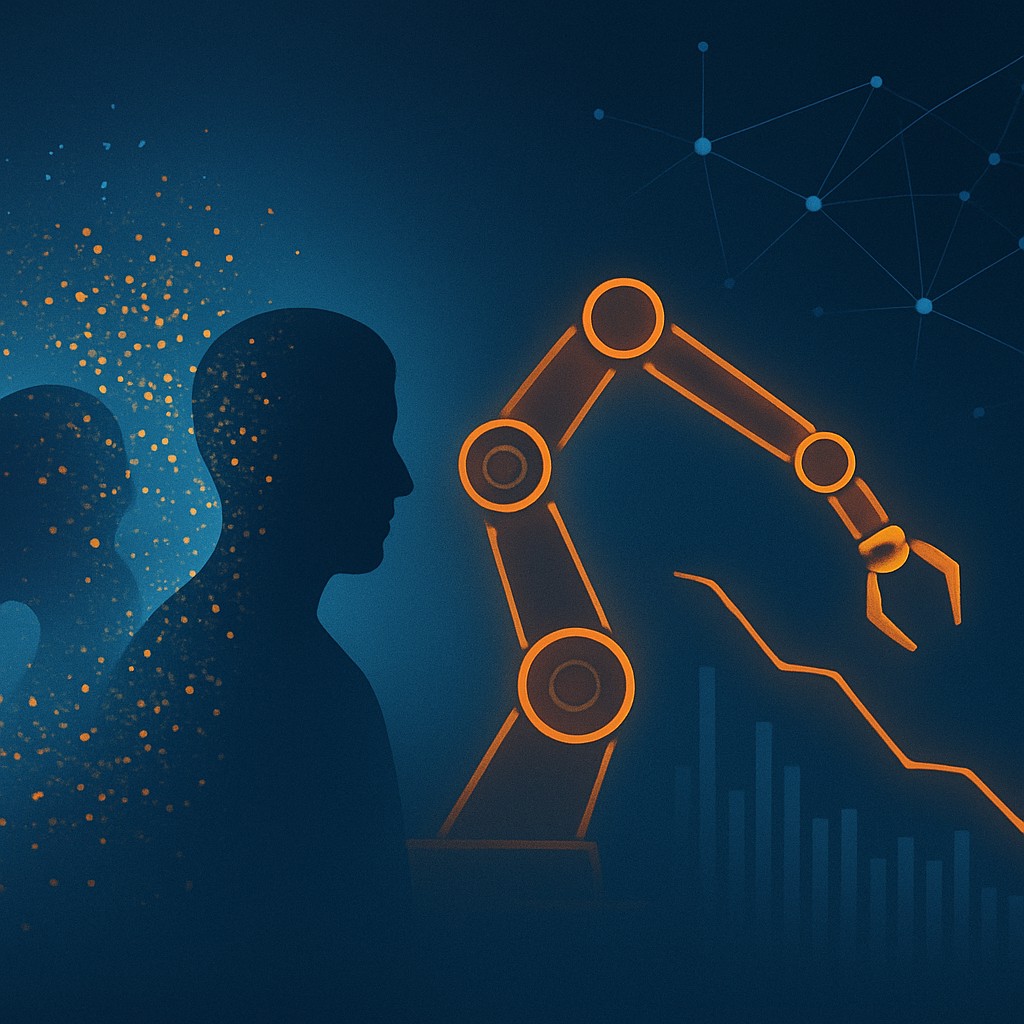
How Will AI Affect the Job Market Negatively
Artificial intelligence is often celebrated for its potential to boost productivity and create new opportunities, but it also carries significant risks for the workforce. As AI systems become more capable, concerns about job displacement, wage pressure, and growing inequality have moved to the center of public debate. Understanding the potential negative effects of AI on the job market is essential for workers, businesses, and policymakers alike. In this article, we take an honest look at the challenges AI poses to employment and how we can prepare for them.
How AAMAX.CO Helps Businesses Adapt
The rise of AI is reshaping how businesses operate, and adapting your marketing and digital strategy is key to staying competitive. We can help. At AAMAX.CO, we provide forward-thinking digital marketing services to businesses worldwide, helping companies embrace automation responsibly while continuing to grow and create value. Our team helps you leverage AI tools to work smarter without losing the human touch that customers value. If you want to navigate the AI-driven economy with confidence, partner with us at AAMAX.CO.
Automation and Job Displacement
The most widely discussed negative effect of AI is the displacement of jobs through automation. Routine and repetitive tasks, whether in manufacturing, data entry, or customer service, are increasingly being handled by AI systems. Roles that involve predictable processes are especially vulnerable. While automation has historically created new jobs even as it eliminated others, the speed and breadth of AI adoption raise concerns that displacement could outpace the creation of new roles, leaving many workers struggling to find comparable employment.
Impact on White-Collar Work
Unlike previous waves of automation that primarily affected manual labor, AI is now capable of performing cognitive tasks once thought to be safe. Jobs in fields like writing, legal research, accounting, and even software development are being affected by generative AI tools. This expansion of automation into white-collar work means that a broader range of professionals must now contend with the possibility of disruption. The perception that knowledge work was immune to automation is rapidly changing, creating anxiety across many industries.
Downward Pressure on Wages
Even when AI does not eliminate jobs outright, it can put downward pressure on wages. As AI tools make certain tasks easier and faster, the value of the human labor associated with those tasks may decline. Employers may expect workers to produce more in less time, or they may pay less for roles that AI can partially perform. This dynamic can erode bargaining power for workers, particularly in industries where AI handles a significant share of the workload.
Widening Inequality
AI has the potential to widen economic inequality. Highly skilled workers who can use AI to amplify their productivity may see their incomes rise, while those whose jobs are automated may face unemployment or lower wages. The benefits of AI tend to concentrate among companies and individuals who own or control the technology. Without intervention, this could deepen the divide between high earners and the rest of the workforce, creating social and economic tensions that are difficult to resolve.
The Growing Skills Gap
As AI transforms the nature of work, a significant skills gap is emerging. Many workers lack the training needed to move into the new roles that AI creates, such as positions in data science, AI oversight, and advanced technical fields. Without accessible reskilling and upskilling opportunities, displaced workers may be left behind. Bridging this gap requires substantial investment in education and training from both governments and employers, but such efforts often lag behind the pace of technological change.
Psychological and Social Effects
Beyond economics, the disruption caused by AI can take a psychological toll. Job insecurity and the fear of being replaced can lead to stress, anxiety, and reduced morale. Work provides not only income but also purpose, identity, and social connection. Large-scale displacement could have profound effects on individuals and communities, particularly in regions heavily dependent on industries vulnerable to automation. Addressing these human costs is an important part of managing the transition.
Preparing for the Future
While the risks are real, they are not inevitable. Workers can prepare by developing skills that complement rather than compete with AI, such as creativity, critical thinking, emotional intelligence, and complex problem-solving. Businesses can adopt AI in ways that augment human workers rather than simply replacing them. Policymakers can support reskilling programs, strengthen social safety nets, and consider new approaches to ensure the benefits of AI are shared broadly. Proactive preparation is the best defense against the negative effects of automation.
Conclusion
AI poses genuine challenges to the job market, including job displacement, wage pressure, widening inequality, and a growing skills gap. Acknowledging these risks is the first step toward managing them responsibly. With thoughtful planning, investment in education, and a focus on human strengths, society can navigate the transition and ensure AI becomes a tool for shared prosperity rather than disruption. If your business wants to adapt and thrive in this changing landscape, our team at AAMAX.CO is here to help you move forward.
Want to publish a guest post on aamax.co?
Place an order for a guest post or link insertion today.
Place an Order