

How Transcripts Improve SEO for Audio and Video
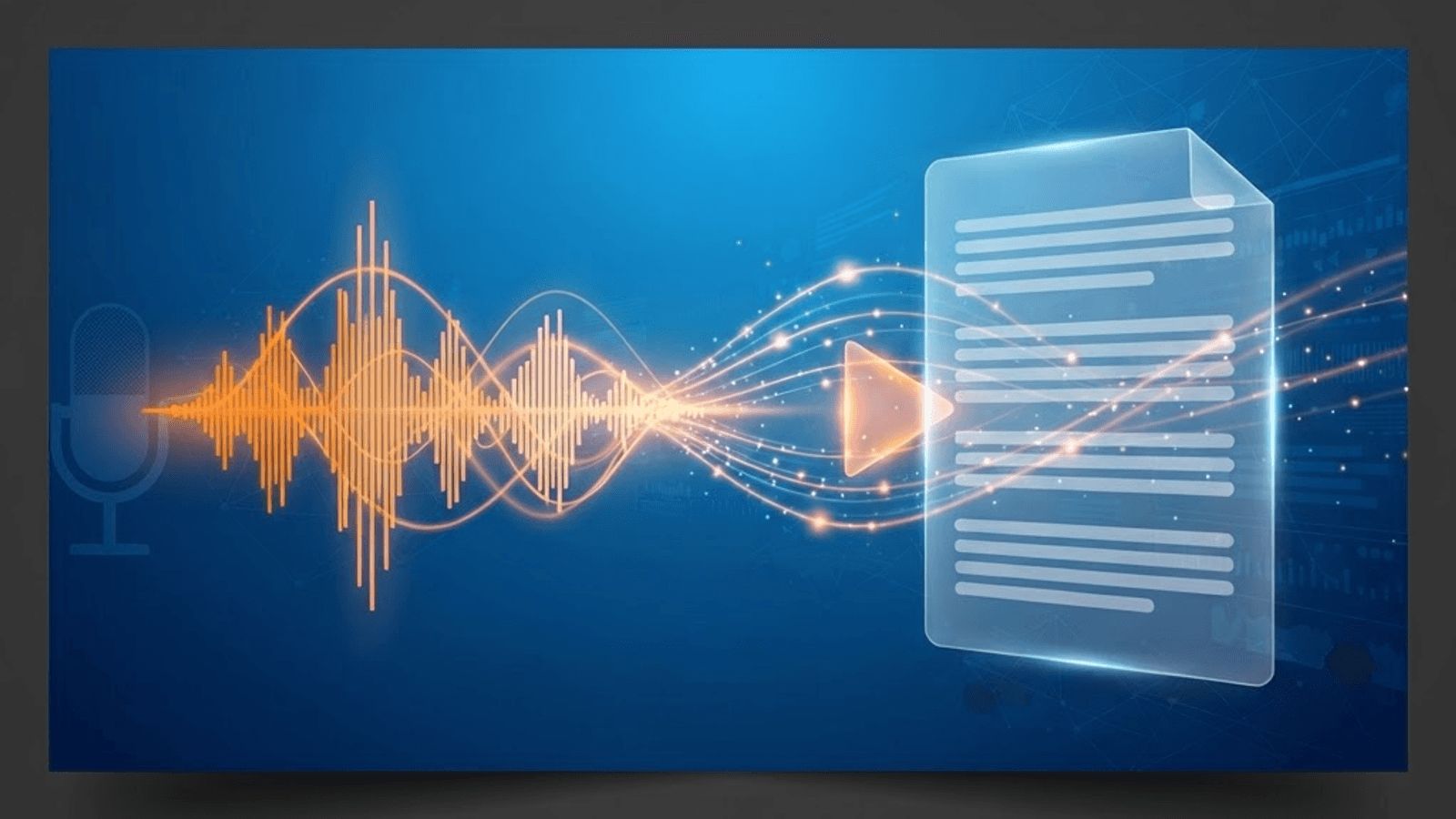
Audio and video are the most expensive content most companies produce and the least visible in search. A forty minute podcast episode might contain six thousand words of genuine expertise, specific advice, and the exact phrasing customers use to describe their problems, and search engines see almost none of it. Automatic speech recognition inside media platforms has improved, but relying on it means your content is discoverable only within that platform's own search, not across the open web and not in the AI systems that increasingly summarise it. A transcript published as crawlable text on your own domain solves that problem, and it does so at a cost far lower than producing the media in the first place.
Turn Media Into Traffic With AAMAX.CO
As a full service digital marketing company, AAMAX.CO provides web development, digital marketing and SEO services worldwide, and repurposing audio and video into search visible assets is one of the highest return projects we run for content heavy clients. Our team builds transcript templates into your site, sets up accurate transcription and editing workflows, adds correct video and podcast schema, and turns long recordings into clusters of interlinked articles, summaries and answer pages. If you have a back catalogue of webinars, episodes or recorded sessions doing nothing, our SEO services team can convert it into a durable organic channel. Hire AAMAX.CO and stop paying to produce content search engines cannot read.
Why Transcripts Change Search Visibility
The mechanism is simple. Search engines index text. A video page with a title, a short description and an embed contains perhaps eighty words of indexable content, so it can realistically compete only for its exact title. Add a full transcript and the same page contains thousands of words covering dozens of subtopics in natural conversational language. That expands the range of queries the page can match dramatically, particularly long tail questions phrased the way people actually speak. Spoken content is unusually rich in these phrasings because guests and hosts naturally use colloquial wording that keyword research tools rarely surface. Transcripts also add topical depth to your domain, strengthening the authority signals for the subject area as a whole.
Accessibility Is a Requirement, Not a Bonus
Transcripts and captions are accessibility infrastructure. Deaf and hard of hearing users depend on them, and many people without hearing impairments prefer reading, watch without sound in public, or use captions because a speaker's accent is unfamiliar. Accessibility standards and, in many jurisdictions, legal requirements expect time synchronised captions for prerecorded media and text alternatives for audio. Doing this properly reduces legal exposure and widens your reachable audience simultaneously. It is also worth noting that captions and transcripts are different artefacts serving different purposes: captions are timed text displayed over the media, while a transcript is a readable document. Publish both, because they solve different problems and the SEO value lives mainly in the transcript.
Produce Transcripts That Are Actually Accurate
Automated transcription is now good enough to be a first draft and rarely good enough to publish unedited. The errors it makes cluster exactly where accuracy matters most: technical terminology, product names, people's names, numbers and acronyms. Those are precisely the terms you want to rank for, so an unedited transcript often misses the highest value keywords entirely. Run automated transcription for speed, then have someone with subject knowledge correct the specialised vocabulary, fix speaker attribution, and clean up the verbal noise. Remove filler words and false starts, but preserve the speaker's voice and meaning; over sanitising a conversation into corporate prose destroys the authentic phrasing that makes transcripts valuable in the first place.
Format for Reading, Not Just for Storage
A six thousand word wall of undifferentiated text is technically indexable and practically unusable. Format the transcript as a real document. Add descriptive headings at topic changes so the page has a navigable structure, and consider a table of contents linking to those sections. Label speakers clearly and consistently. Break the text into short paragraphs. Include timestamps at section boundaries so a reader can jump to the relevant point in the media. Above the transcript, publish a short summary of the episode and a list of key takeaways, because that summary is what most visitors will read and what AI systems will most readily extract. This structure serves the skim reader, the deep reader and the machine simultaneously.
Add the Right Structured Data
Structured data tells search engines exactly what the media is and what it contains. For video, implement video schema with name, description, thumbnail URL, upload date, duration and content URL or embed URL, and add clip or seek markup where you have defined chapters so search engines can deep link into specific moments. For podcasts, mark up the episode and its parent series with the audio file reference. Include the transcript property where supported so the relationship between the text and the media is explicit rather than inferred. Accurate markup improves eligibility for rich video results and makes it far easier for AI answer engines to attribute a quoted passage to your media rather than to someone who republished it.
Host Transcripts on Your Own Domain
This is the decision that determines whether the effort benefits you or a platform. If transcripts exist only inside a video host or podcast app, that platform captures the search visibility and the audience relationship. Publish the full transcript on a page you own, embed the media on that same page, and then syndicate to platforms with a link back. Give each episode its own permanent URL, group them under a logical hub, and link between related episodes with descriptive anchor text. Over time this builds a substantial, deeply interlinked content library on your own domain that no platform algorithm change can take away.
Repurpose the Transcript Into Multiple Assets
A transcript is raw material, not a finished product. From one long recording you can extract several genuinely distinct assets: a written guide covering the main argument in edited prose, individual answer pages for the specific questions discussed, a quotable insights summary, a data or statistics roundup if figures were cited, and social and email content. Each of these targets different queries and different reader preferences. The important caveat is that repurposed assets must be genuinely rewritten rather than lightly reshuffled copies, or you create near duplicate pages that compete with each other. Treat the transcript as a source you are reporting from, exactly as a journalist would treat an interview recording.
Avoid the Common Mistakes
Several errors waste the opportunity. Loading transcripts via JavaScript into a collapsed accordion that never renders in the server response, which means crawlers see nothing. Hiding transcripts entirely for aesthetic reasons, which is both an accessibility failure and a wasted asset. Publishing raw automated output full of misspelled technical terms. Splitting a single episode across many thin pages to inflate page count. Forgetting to update the transcript when the media is re edited. And omitting a summary, which leaves visitors facing thousands of words with no indication of whether the content is relevant to them. Each of these is easy to avoid once the workflow is documented.
Measure the Return Properly
Track the queries transcript pages earn impressions for, not just their total sessions, because the value shows up as breadth across many long tail terms rather than a single high volume keyword. Compare the indexed word count and query coverage of transcript pages against comparable media pages without transcripts. Watch engaged time on page, since readers using transcripts as reference material often stay far longer than average. Monitor whether AI assistants begin citing your media content once the text is available. Fold these numbers into your wider digital marketing reporting so the true contribution of your media investment is visible rather than buried under low platform view counts.
Final Thoughts
Transcripts are the cheapest way to make expensive content discoverable. They convert spoken expertise into indexable text, expand keyword coverage into the long tail phrasing people genuinely use, satisfy accessibility obligations, supply the material AI systems need to quote you accurately, and provide raw input for a whole cluster of derivative assets. Transcribe accurately, edit for terminology, format for readability, mark up correctly, host on your own domain and repurpose deliberately. Do that with a back catalogue and you can double the search footprint of your content library without producing anything new.
Want to publish a guest post on aamax.co?
Place an order for a guest post or link insertion today.
Place an Order