

How Shoppable Digital Catalogs Boost E-commerce Conversion Rates
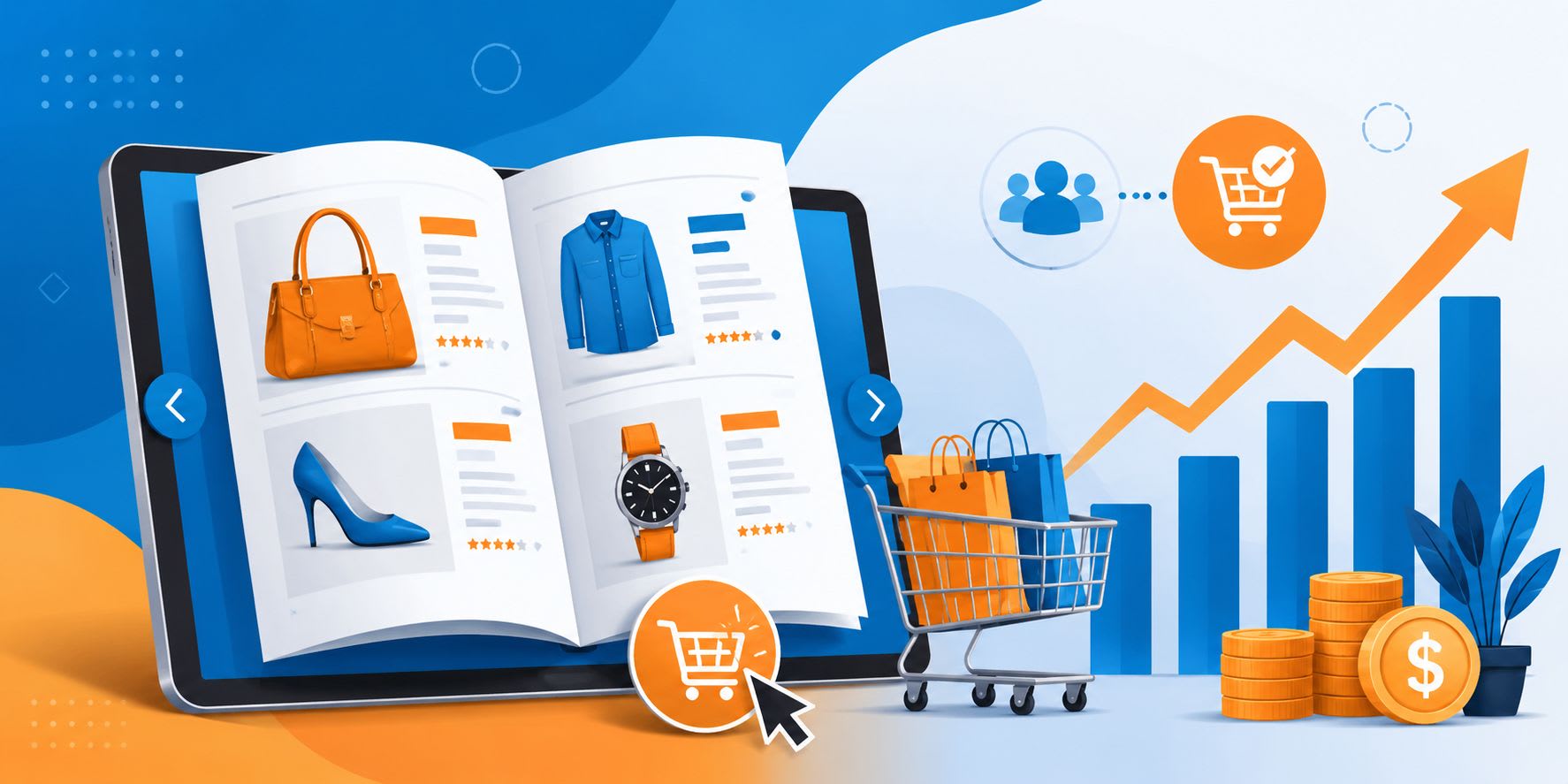
Shoppable digital catalogs directly contribute to higher conversion rates as they effectively close the gap between getting inspired and making a purchase. Instead of encouraging a shopper to fall in love with a product and then forcing them to search for it somewhere else, the catalog gives them the ability to simply tap on a product and purchase it immediately, This way the time from the moment of curiosity to the checkout is Quite a bit shortened and fewer people end up dropping off. Retailers who have decided to get rid of their flat PDFs or print scans and use interactive catalogs instead have seen significant increases in both click-through and add-to-cart activity, often well over double digit percentages.
The explanation for why this should be the case is that it has very little to do with the newness and a lot more with the grabbing of one's attention. A shopper who is just casually looking around is at the stage of discovering, flipping through pages just like they would a magazine, and that type of mental state is usually much more open to being influenced than the transactional, search-and-filter behavior of a typical product grid. If you allow that laid-back browsing to evolve into buying without an abrupt change, you will seize the moment of demand right as it is being created.
What makes a digital catalog "shoppable" instead of just digital
A digital catalog on its own is just a PDF or flipbook viewer. It might look nice, but every product is a dead end. A shoppable catalog adds interactive hotspots layered over the imagery, so each featured item links directly to its product page, a quick-add cart action, or a lightbox with size and color options. The shopper never leaves the spread they were enjoying.
The difference shows up in the data. A static PDF generates almost no trackable behavior beyond a download, while a shoppable catalog gives you page-level engagement, hotspot clicks, time spent per spread, and a clear line from a specific page to revenue. That visibility matters as much as the conversion lift, because it tells you which products and which layouts are actually pulling weight. This is also where a dedicated tool such as the Publitas platform earns its place, since the automatic product linking and built-in analytics handle the parts that become a maintenance burden if you try to assemble them yourself.
Most shoppable catalogs also handle the technical friction that kills mobile conversions. Pinch-to-zoom that doesn't break the layout, fast image loading on slow connections, and clickable areas sized for thumbs rather than mouse cursors are the kind of details that separate a catalog people finish from one they abandon on page three. Roughly two-thirds of catalog browsing now happens on phones, so a layout that only behaves on desktop is leaving most of its audience behind.
Why the format converts better than a standard product grid
A product grid offers efficiency, but it removes context. For example, you see a sofa on a white background, without any clue about how it fits into a room. A catalog spread presents the same sofa in a styled setting with complementary pieces around it, a kind of editorial framing that really helps someone imagine it in their own home. This context is doing real persuasive work, and that's why furniture, fashion, and home goods brands will probably get the strongest results.
There's also a cross-sell effect inherent in the format. When a shopper looks at a full look or a room scene, the accessories, the lamp, the rug, the throw, are right there, shoppable and tagged. Based on industry data, average order value increases when products are displayed as curated collections rather than individual SKUs, because the catalog does the merchandise planning a salesperson would do in a store. The browsing speed is nice, too.
Grid pages favour rapid filtering and immediate exits, which is suitable for a person who knows exactly what they want but not very good for the much larger group who are still making up their minds.
How different industries get different results
Conversion stories vary by category, and assuming the same story for all categories leads to overselling the format. For example, fashion and apparel brands make use of shoppable catalogs for seasonal lookbooks, wherein the main purpose is to show the combinations of different pieces. Besides, they also get strong engagement from the customers since the discovery experience imitates how people normally shop for clothes. However, home and furniture retailers get the advantage of the room-scene context which is something that flat grids are not able to provide.
Grocery and big-box retailers have a different take on the format as well. In fact, they mostly substitute the weekly print flyer with an interactive version. For such retailers, the benefits are partly the increase in conversions as well as the cost advantage as a digital flyer does away with print and distribution expenses which for a chain mailing millions of circulars runs into serious money. The conversion increase is due to every advertised special being a clickable link instead of a note that the shopper has to remember when at the store. B2B and wholesale businesses have their success stories and are not very loud about them. Take, for instance, a distributor who owns a thousand-SKU catalog and can convert a huge PDF that is difficult to handle into a document that can be easily navigated, searched, and ordered, Because of this minimizing reorder cycles and cutting down on the back-and-forth with sales reps.
What you actually need to launch one
Starting is much easier and less of a hassle than what most people think. In case you already make catalogs or lookbooks via InDesign or as PDFs, the main content is ready, and the main thing to do is to add features, make it interactive, and link it to your product feed. Using a platform that directly gets pricing and stock from your store will keep the catalog accurate without manual updates, and this is the main part that becomes a maintenance nightmare if you try to create it on your own.
When it comes to money, it is more likely that you will get a multi-level subscription rather than a huge upfront investment, so the format is not only for big brands with custom development resources but also for mid-size retailers. Usually, the time for the making of the very first catalog is in the range of days and not months when you have your source files ready, so this is a check that you can make within a quarter by comparing your present product pages.
The best method to do it is to consider your first shoppable catalog as a test. Select one collection or one seasonal campaign, release it together with your usual product pages and see the behavior of the catalog audience against your standard conversion rate.
Want to publish a guest post on aamax.co?
Place an order for a guest post or link insertion today.
Place an Order