

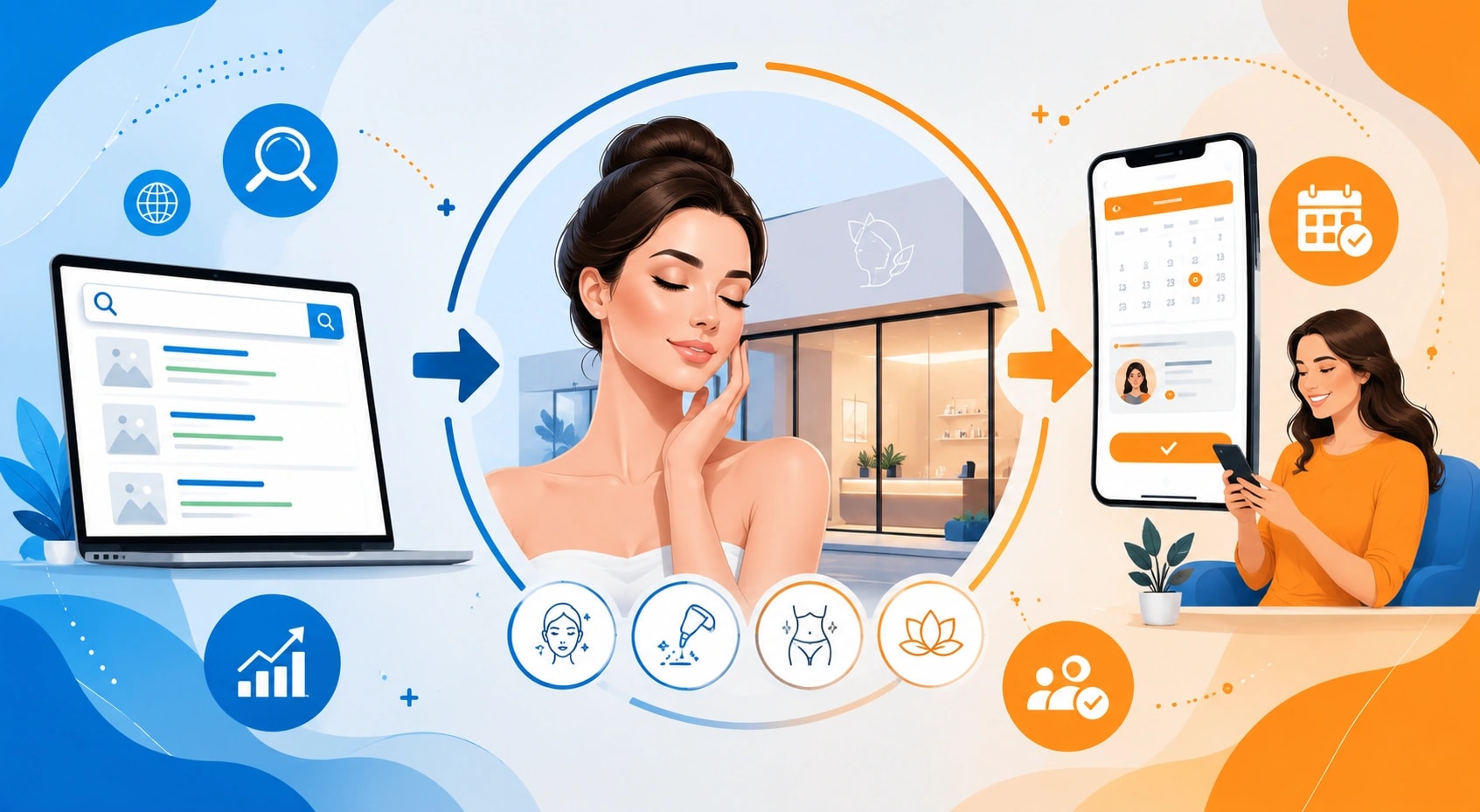
How Beauty and Wellness Clinics Can Turn Search Traffic Into Bookings
A clinic can rank well, attract clicks, and still watch potential clients disappear before booking. Painful? Yes. Common? Very.
Search traffic is only useful when it meets someone at the exact point of curiosity and helps them take the next step without friction. A person looking for a facial, skin consultation, laser treatment, massage, injectables, or dental cosmetic service usually has a problem in mind already. They want clearer skin. A brighter smile. Less tension. More confidence before an event. They are not casually browsing in the same way someone scrolls home décor ideas at midnight.
That changes the job of a clinic website. It should not behave like a brochure. It should work like a calm, helpful front desk that answers questions, builds trust, and makes booking feel easy.
Match Pages to Real Search Intent
Most clinic websites try to do too much with one service page. The page lists every treatment, drops in a few pretty images, adds a contact form, and hopes for the best. That's where search traffic gets wasted.
Someone searching "best skin clinic near me" needs a different page experience from someone searching "how long does laser hair removal last." One person may be choosing a provider. The other is still learning. Both matter, but they need different content.
Service pages should answer booking-level questions fast. What does the treatment help with? Who is it suited for? What happens during the appointment? How long does it take? Is there downtime? What should someone expect after?
Educational content can handle earlier-stage searches. Blog posts, guides, and FAQs can explain concerns before a client is ready to book. For example, a clinic in a busy city area might create a page around men's aesthetic treatments that explains common goals such as looking less tired, improving skin texture, or softening signs of aging without making the topic feel intimidating. That kind of content works because it speaks to a real hesitation, not just a keyword.
Build Trust Before Asking for the Booking
Beauty and wellness decisions are personal. People are not booking a pair of socks. They are trusting someone with their face, body, health, or confidence. That means trust has to show up before the booking button.
Photos help, but only when they feel authentic. Staff profiles matter too. A short practitioner bio with qualifications, treatment interests, and a warm photo can calm a nervous visitor more than another stock image of candles and white towels. Real clinic photography usually beats polished generic visuals. Every time.
Reviews also need better placement. Many clinics hide testimonials near the bottom of the homepage, where only the most patient visitors will find them. Place relevant reviews on service pages. If someone is reading about acne treatment, show reviews from acne clients. If someone is comparing cosmetic dental services, show feedback that relates to results, comfort, and care.
Specificity sells trust. "Great service" is nice. "The practitioner explained every step and checked in after my appointment" is stronger.
Make Booking Feel Ridiculously Easy
A booking flow should never feel like paperwork. Yet many clinics still make visitors work too hard. Tiny buttons. Confusing forms. No clear availability. No idea how long the appointment takes. No price range. No parking notes. No cancellation policy. No clue what happens next.
People hesitate when details are missing.
A strong booking page gives clear choices. New client consultation. Follow-up appointment. Treatment type. Preferred practitioner. Appointment length. The less guessing, the better. Mobile matters even more because many searches happen between errands, after work, or while sitting in the car pretending to answer emails. No judgment.
Click-to-call buttons should be visible on mobile. Booking buttons should appear more than once on longer pages. Forms should ask only for what the clinic actually needs. Nobody wants to write a short novel just to ask about an appointment.
Use Local Signals Without Sounding Robotic
Local search can bring in highly motivated clients, but many clinics treat local SEO like a box-ticking exercise. They repeat the suburb or city name until the page sounds stiff. That's not helpful.
Location content should feel natural. Mention nearby landmarks, parking, public transport, neighborhoods served, or appointment patterns. A wellness clinic near an office district might speak to lunchtime appointments or after-work bookings. A suburban clinic may focus on easy parking, family schedules, or weekend availability.
This matters because local clients are often making practical decisions. Can they get there easily? Can they fit it around school pickup? Can they book before a wedding, holiday, or work event?
A cosmetic dental clinic offering teeth whitening, for instance, could explain how clients often book ahead of graduations, interviews, weddings, or photo-heavy events. That gives the service real context instead of making it feel like another item on a menu.
Turn FAQs Into Conversion Tools
FAQs should not be treated as filler. Done well, they remove the little doubts that stop bookings.
Good questions come from real conversations at the front desk. "Will it hurt?" "How soon will results show?" "Can sensitive skin handle this?" "How many sessions are needed?" "Can treatment be done before an event?" "Is there anything to avoid afterward?"
These are not minor details. They are conversion points.
The best FAQ sections answer clearly, without hiding behind vague language. A client does not need a medical textbook. They need enough information to feel safe taking the next step. Short answers work. Plain language works better.
Search engines also favor helpful, structured answers when they match what users actually ask. That makes FAQs useful for both rankings and bookings. A rare double win. Nice when that happens.
Track the Right Numbers
Traffic alone can flatter a clinic into thinking the strategy is working. It may not be.
The better question is what visitors do after they land on the site. Do they click the booking button? Call the clinic? Open the pricing page? Read practitioner profiles? Leave after ten seconds? Each action tells a story.
Clinics should track conversions by service page, not just overall website performance. One page may bring lots of visitors but few bookings. Another may have lower traffic but convert beautifully. The second page might be the real money-maker.
Even small changes can matter. A clearer booking button, stronger opening section, better review placement, or shorter form can lift results without requiring a full redesign. A clinic does not always need more traffic. Sometimes it needs to stop leaking the traffic it already has.
Keep the Human Side Visible
Search brings people to the door. The website has to make them feel comfortable walking through it.
That means clear pages, helpful answers, visible trust signals, simple booking, and content that sounds like it came from people who understand client concerns. Not a committee. Not a template. People.
Beauty and wellness clinics win bookings when they respect both sides of the journey: the practical side and the emotional one. Clients want information, but they also want reassurance. They want expertise, but not coldness. They want confidence before they commit.
When a clinic website gives them that, search traffic stops being just a number in a report. It becomes appointments, relationships, and repeat visits.
Want to publish a guest post on aamax.co?
Place an order for a guest post or link insertion today.
Place an Order