

How AI Improves Multi-Touch Attribution Accuracy in Marketing Analytics
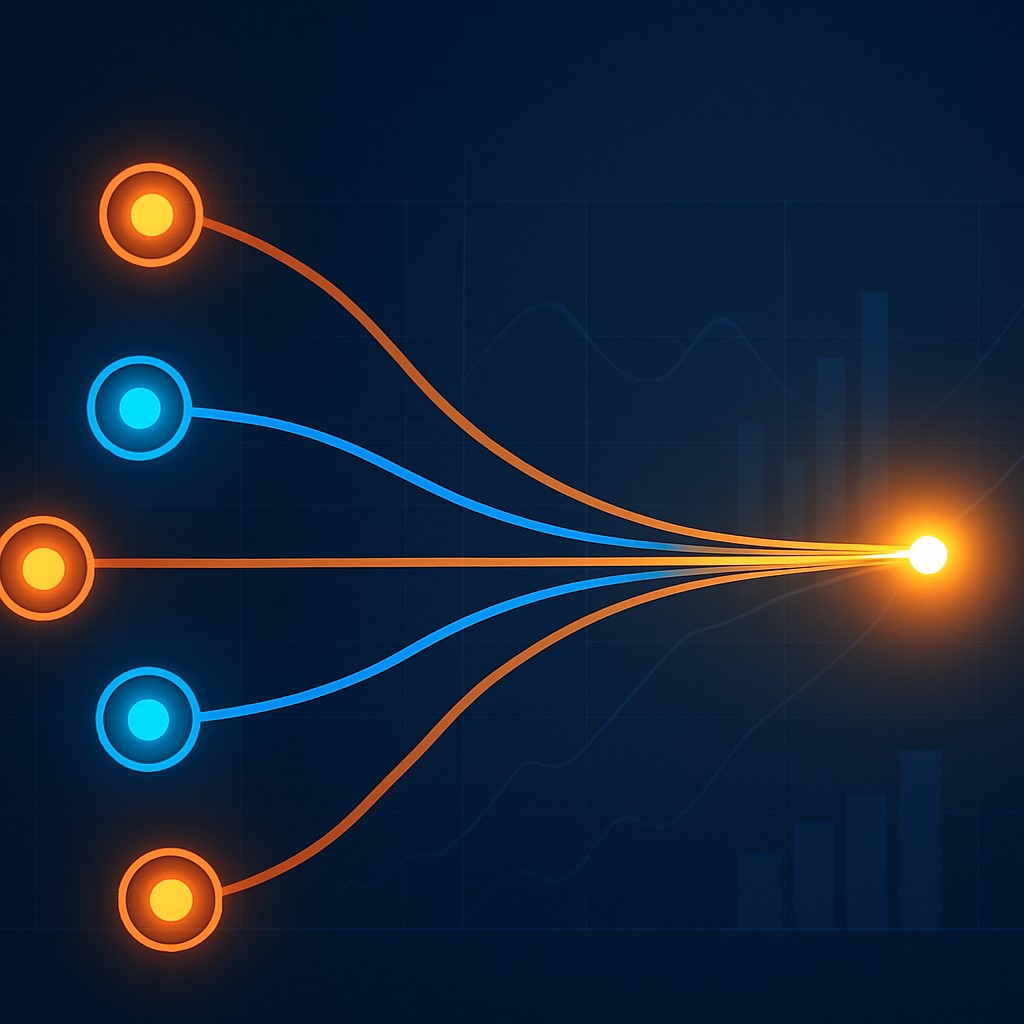
Customers rarely convert after a single interaction. They might discover a brand through a social ad, return via a search result, read a blog post, open an email, and finally purchase after clicking a retargeting ad. Understanding how each of these touchpoints contributes to the final conversion is the goal of multi-touch attribution, and it is one of the most challenging problems in marketing analytics. Traditional attribution models oversimplify this journey, often giving too much credit to the first or last interaction. Artificial intelligence changes the game by analyzing the full complexity of customer journeys and assigning credit with far greater accuracy.
How We Bring Clarity to Your Analytics
At AAMAX.CO we help businesses make sense of their marketing data and understand what truly drives results. As a full-service digital marketing company serving clients worldwide, we build advanced attribution and analytics systems powered by AI. Our digital marketing team helps you see the real impact of every channel so you can invest with confidence and maximize return.
The Limits of Traditional Attribution
Common attribution models, such as first-touch and last-touch, credit a single interaction for the entire conversion. While simple, these models ignore the many other touchpoints that influenced the decision. Rule-based multi-touch models improve on this but still rely on fixed assumptions that rarely reflect real behavior. The result is a distorted view that can lead to poor budget decisions.
How AI Models Attribution Differently
AI-driven attribution uses machine learning to analyze actual customer journeys and determine how much each touchpoint truly contributed to a conversion. Instead of applying arbitrary rules, it learns from patterns in the data, accounting for the sequence, timing, and combination of interactions. This produces a far more accurate and realistic picture of what drives results.
Handling Complex Customer Journeys
Modern customer journeys span many channels and devices, making them difficult to track and interpret. AI excels at processing this complexity, connecting interactions across touchpoints and identifying meaningful patterns. It can handle large volumes of data and uncover relationships that would be impossible to detect manually, giving marketers a complete view of the path to purchase.
Accounting for Channel Interactions
Marketing channels do not work in isolation; they influence one another. A social ad might make a later search more likely to convert, for example. AI captures these interactions and synergies, revealing how channels work together. This insight helps marketers understand the true role of each channel rather than viewing them as separate silos.
Improving Budget Allocation
With accurate attribution, marketers can allocate budget far more effectively. AI reveals which channels and campaigns genuinely drive conversions and which are overvalued by simpler models. This allows businesses to shift spending toward what works, eliminate waste, and improve overall return on investment.
Real-Time Insights and Adaptation
AI attribution is not a one-time analysis; it adapts as new data arrives. This means marketers can respond to changes in customer behavior and channel performance quickly. Real-time insights enable continuous optimization, keeping marketing investments aligned with what is actually driving results.
Building Trust in Marketing Data
Accurate attribution builds confidence across the organization. When leaders trust the data, they make better decisions and support marketing investments more readily. AI-driven attribution provides the clarity and credibility needed to align teams and justify strategy with evidence.
Overcoming Data Privacy Challenges
As privacy regulations tighten and tracking becomes more limited, attribution has grown more complex. AI helps bridge the gaps created by incomplete data through advanced modeling techniques that estimate the impact of touchpoints even when full tracking is unavailable. By learning from available signals and patterns, AI can produce reliable attribution insights while respecting user privacy. This ability to operate effectively in a privacy-first world is becoming essential, allowing marketers to measure performance responsibly without depending on intrusive tracking.
Turning Attribution Into Action
Accurate attribution is only valuable when it informs decisions. AI not only measures the contribution of each touchpoint but also recommends how to act on those insights, suggesting where to shift budget and which campaigns to scale or pause. This closes the loop between measurement and optimization, ensuring that insights translate into real improvements. Instead of producing reports that sit unused, AI-driven attribution becomes an active engine for smarter spending and continuous performance gains across the entire marketing program.
Choosing the Right Attribution Approach
Every business is different, and AI helps tailor attribution to your specific goals, sales cycle, and customer behavior. Rather than forcing your data into a rigid model, AI-driven attribution adapts to how your customers actually buy, whether that journey is short and simple or long and complex. This flexibility ensures the insights you receive are relevant and actionable. Working with experienced partners to select and refine the right approach helps you avoid common mistakes and ensures your attribution truly reflects the realities of your market.
Conclusion
Multi-touch attribution is essential for understanding modern marketing, and artificial intelligence makes it dramatically more accurate. By analyzing real customer journeys and channel interactions, AI helps marketers invest wisely and prove their impact. If you want to bring clarity and accuracy to your marketing analytics, our team is ready to help you build an AI-powered attribution system that drives smarter decisions.
Want to publish a guest post on aamax.co?
Place an order for a guest post or link insertion today.
Place an Order