

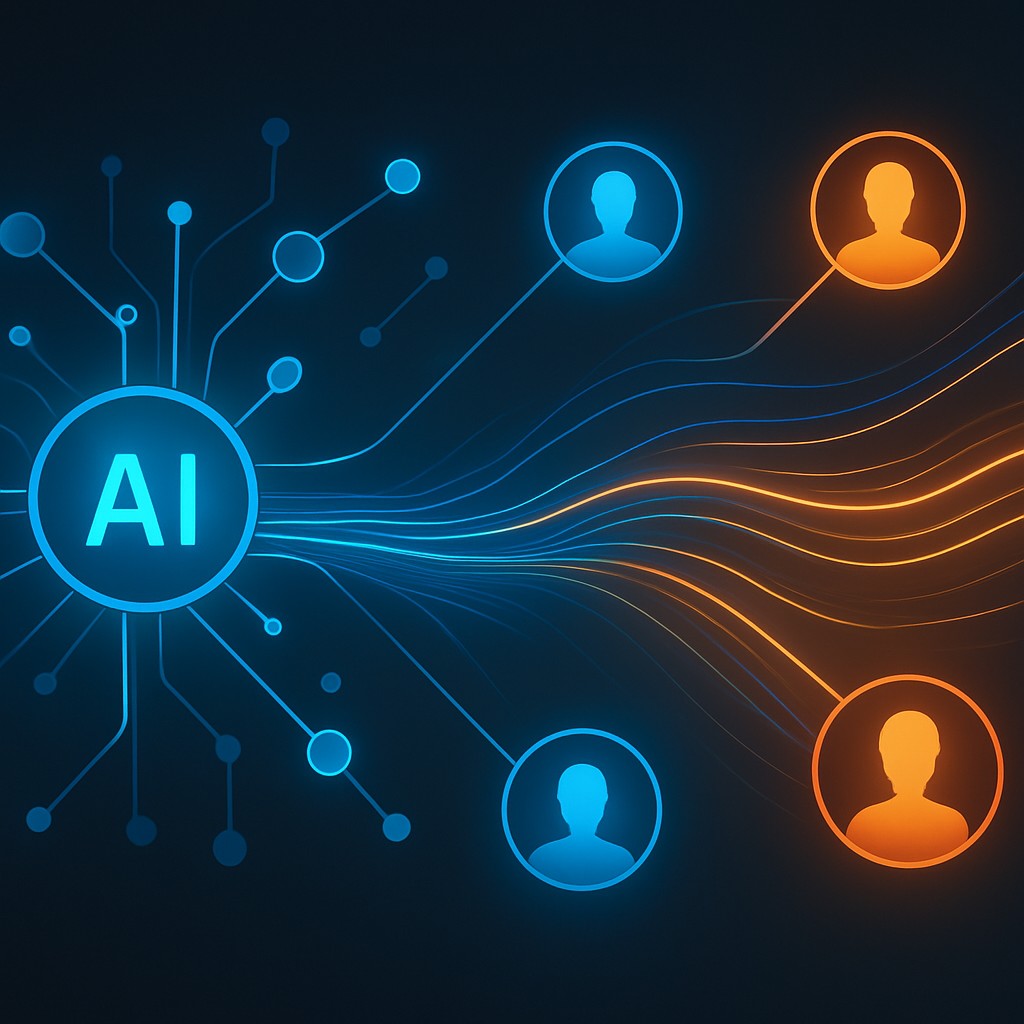
How AI Contributes to Personalized Marketing Strategies 2025
Personalized marketing has moved from a competitive advantage to a baseline expectation. In 2025, customers expect brands to understand their needs, anticipate their next move, and serve content that feels tailor-made. Artificial intelligence is the engine making this possible, processing enormous volumes of behavioral data and turning it into individualized experiences across every channel. This article explores exactly how AI contributes to personalized marketing strategies and what your business can do to keep pace.
Partner With AAMAX.CO for AI-Driven Personalization
At AAMAX.CO, we help brands design and deploy AI-powered personalization strategies that actually move the needle. As a full-service digital marketing company serving clients worldwide, we combine machine learning, audience intelligence, and creative execution to build campaigns that speak to each customer individually. Whether you need help with digital marketing strategy or technical implementation, our team can align AI personalization with your business goals and revenue targets.
Understanding AI-Powered Personalization
Traditional personalization relied on simple rules: if a customer buys product A, recommend product B. AI changes this by learning patterns from thousands of signals at once, including browsing history, purchase frequency, device type, time of day, and even sentiment expressed in reviews. Machine learning models continuously refine their understanding, meaning the experience gets smarter with every interaction. The result is dynamic personalization that adapts in real time rather than relying on static segments.
Real-Time Audience Segmentation
One of AI's biggest contributions is micro-segmentation. Instead of grouping customers into broad buckets like "young professionals" or "frequent buyers," AI creates fluid segments that update instantly. A shopper who suddenly starts browsing fitness gear can be moved into a relevant segment within seconds, triggering tailored emails, ads, and on-site recommendations. This responsiveness dramatically improves engagement and conversion rates.
Predictive Product Recommendations
AI recommendation engines analyze what similar customers have purchased and predict what each individual is most likely to want next. These systems power the "recommended for you" sections that drive a significant share of e-commerce revenue. In 2025, recommendation models also factor in context, such as seasonality, local trends, and inventory, ensuring suggestions are both relevant and actionable.
Personalized Content and Messaging
Generative AI now writes subject lines, ad copy, and product descriptions tailored to specific audiences. Marketers can produce dozens of message variations and let AI determine which resonates with each segment. This level of customization was previously impossible at scale, but automation makes it routine. Combined with dynamic landing pages, every touchpoint can reflect the individual visitor's interests.
Optimizing Customer Journeys
AI maps the entire customer journey and identifies where individuals are likely to drop off. By predicting friction points, marketers can intervene with the right message at the right moment, such as a discount offer when cart abandonment is likely or a helpful tutorial when a user seems confused. This proactive approach keeps customers engaged and reduces churn.
Measuring and Improving Performance
Personalization is only valuable if it delivers results. AI-driven analytics tools measure the impact of every personalized element and reallocate resources toward what works. Continuous A/B testing, powered by machine learning, accelerates optimization far beyond what manual testing allows. Over time, this creates a compounding advantage as your campaigns become increasingly precise.
Challenges to Keep in Mind
Effective personalization requires clean, well-organized data and respect for privacy regulations. Customers want relevance, but not at the cost of feeling surveilled. Transparency, consent, and ethical data practices are essential. Brands that get the balance right earn trust, while those that overstep risk damaging their reputation.
Conclusion
AI has transformed personalized marketing from a manual, rule-based process into an intelligent, self-improving system that delivers individualized experiences at scale. In 2025, the brands that win are those that pair powerful technology with thoughtful strategy. If you are ready to build personalization that drives real growth, our team at AAMAX.CO is here to help you plan, implement, and optimize every step of the journey.
Want to publish a guest post on aamax.co?
Place an order for a guest post or link insertion today.
Place an Order