

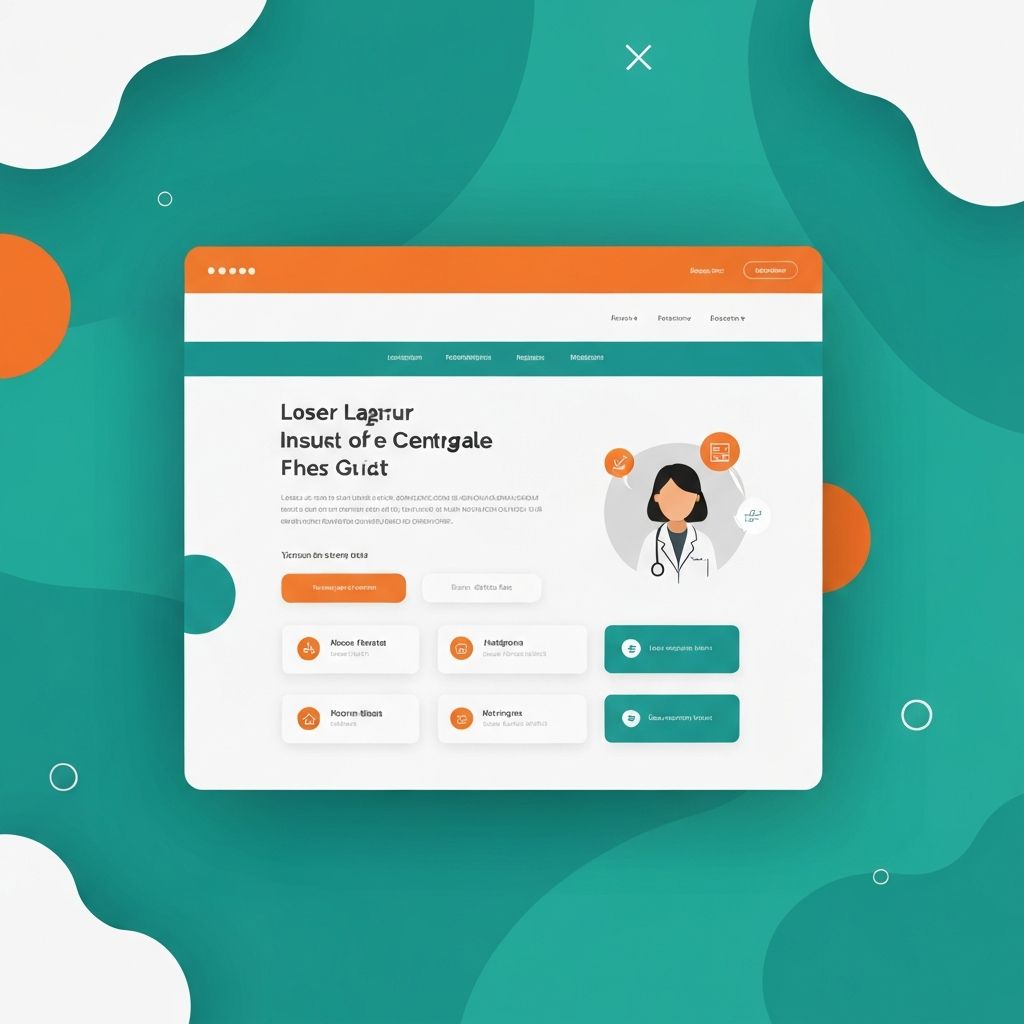
Healthcare Web Design Agencies
Why Healthcare Organizations Need Specialized Web Design
The healthcare industry operates under unique constraints and opportunities that demand specialized web design expertise. Unlike other sectors, healthcare websites must balance regulatory compliance, patient privacy, and accessibility while still delivering an engaging user experience that converts visitors into patients. At AAMAX.CO, we understand these challenges intimately and have developed proven strategies for creating healthcare websites that excel on every front.
Healthcare web design agencies bring industry-specific knowledge that general web designers simply cannot match. They understand HIPAA requirements, patient journey mapping, and the critical importance of building trust through design. When patients search for healthcare providers online, they are often in vulnerable states, seeking reassurance and clear information. A professionally designed healthcare website can make the difference between a new patient appointment and a lost opportunity.
Essential Features of Modern Healthcare Websites
Modern healthcare websites must incorporate several critical features to meet patient expectations and regulatory requirements. Online appointment scheduling has become non-negotiable, with studies showing that over 70% of patients prefer to book appointments online. Patient portals that allow secure access to medical records, test results, and communication with healthcare providers are equally essential.
Accessibility is another crucial consideration. Healthcare websites must comply with ADA guidelines and WCAG standards to ensure all patients, including those with disabilities, can access vital health information. This includes proper color contrast, screen reader compatibility, keyboard navigation, and clear typography. Our website design services prioritize accessibility from the ground up, ensuring your healthcare website serves every patient effectively.
Mobile responsiveness is particularly critical in healthcare web design. Patients often search for healthcare information and providers on their smartphones, especially during emergencies or when experiencing symptoms. A healthcare website that doesn't perform flawlessly on mobile devices will lose potential patients to competitors with better mobile experiences.
Building Trust Through Design Elements
Trust is the foundation of the patient-provider relationship, and your website design plays a crucial role in establishing that trust before a patient ever walks through your doors. Professional photography of your staff and facilities helps humanize your practice and gives patients a sense of what to expect. Testimonials and reviews, when properly integrated, provide social proof that influences patient decisions.
Clear display of credentials, certifications, and affiliations reinforces your authority and expertise. Healthcare websites should prominently feature physician bios, board certifications, hospital affiliations, and any specialized training. These elements help patients feel confident they are choosing qualified healthcare providers.
The color psychology in healthcare web design requires careful consideration. Blues and greens traditionally convey trust, calm, and healing, while whites suggest cleanliness and professionalism. However, the most effective healthcare websites use color strategically to guide users through the patient journey, highlighting calls to action like appointment booking buttons while maintaining a soothing overall aesthetic.
HIPAA Compliance and Security Considerations
Healthcare web design agencies must have deep expertise in HIPAA compliance and data security. Any website that collects, stores, or transmits protected health information (PHI) must implement appropriate safeguards. This includes SSL encryption, secure form submissions, and compliant hosting solutions.
Contact forms, appointment requests, and patient portals all require careful implementation to ensure compliance. Our website development team implements industry-standard security measures and works with HIPAA-compliant hosting providers to protect your patients' sensitive information.
Beyond technical compliance, healthcare websites must include proper privacy policies, terms of service, and consent mechanisms. Patients need clear information about how their data will be used and protected. A healthcare web design agency should guide you through these requirements and implement them seamlessly into your website design.
Search Engine Optimization for Healthcare
Healthcare SEO presents unique challenges and opportunities. Local SEO is particularly important, as most patients search for healthcare providers near their location. Optimizing for local search involves claiming and optimizing Google Business Profile listings, building local citations, and incorporating location-specific keywords throughout your website content.
Medical content requires special attention to E-E-A-T principles (Experience, Expertise, Authoritativeness, Trustworthiness), which Google emphasizes heavily for health-related queries. Content should be written or reviewed by qualified medical professionals, and author credentials should be clearly displayed. This approach not only improves search rankings but also builds patient trust.
Technical SEO elements like page speed, mobile responsiveness, and structured data markup significantly impact healthcare website rankings. Schema markup for medical practices helps search engines understand your services, locations, and specialties, potentially earning rich snippets in search results that drive higher click-through rates.
Patient Journey Optimization
Understanding and optimizing the patient journey is central to effective healthcare web design. Patients typically progress through stages of awareness, consideration, and decision before booking an appointment. Your website should provide appropriate content and calls to action for each stage.
Awareness stage content might include blog posts about symptoms, conditions, and treatment options. Consideration stage visitors need detailed information about your services, providers, and approach to care. Decision stage patients require clear calls to action, easy appointment booking, and reassurance about their choice. Our web application development expertise enables us to create sophisticated patient journey experiences that guide visitors toward conversion.
User experience testing with real patients provides invaluable insights for healthcare web design optimization. Heatmaps, session recordings, and user feedback help identify friction points and opportunities for improvement. Continuous optimization based on data ensures your healthcare website performs better over time.
Integrating Healthcare Technology
Modern healthcare websites must integrate seamlessly with various healthcare technologies. Electronic health record (EHR) systems, practice management software, and telehealth platforms all need to work together through your website. These integrations improve operational efficiency and patient experience simultaneously.
Telehealth capabilities have become essential, with patient demand for virtual visits remaining high even as in-person care resumes. Your website should clearly communicate telehealth availability and provide easy access to virtual visit scheduling. Integration with video conferencing platforms ensures a smooth experience for both patients and providers.
Patient engagement tools like automated appointment reminders, prescription refill requests, and secure messaging enhance the overall patient experience. These features require sophisticated back-end web development capabilities to implement effectively while maintaining security and compliance.
Measuring Healthcare Website Performance
Healthcare web design success should be measured through specific key performance indicators (KPIs). Appointment request conversion rates indicate how effectively your website turns visitors into patients. Patient portal adoption rates show engagement with digital health tools. Time on site and bounce rates reveal content relevance and user experience quality.
Analytics should be configured to track the entire patient journey, from initial website visit through appointment completion. Goal tracking in Google Analytics helps identify which pages and content drive the most conversions. Regular reporting and analysis inform ongoing optimization efforts.
Patient satisfaction surveys that include website experience questions provide qualitative feedback to complement quantitative analytics. Understanding how patients perceive your digital presence helps identify improvement opportunities that data alone might miss.
Choosing the Right Healthcare Web Design Partner
Selecting a healthcare web design agency requires careful evaluation of their industry experience, technical capabilities, and compliance knowledge. Look for agencies with a portfolio of healthcare clients and case studies demonstrating measurable results. Ask about their approach to HIPAA compliance and security measures.
The right partner should understand healthcare marketing regulations, including restrictions on testimonials and claims. They should be able to create compelling content within these constraints while still differentiating your practice from competitors.
At AAMAX.CO, we combine healthcare industry expertise with cutting-edge front-end web development capabilities to create healthcare websites that look stunning, perform flawlessly, and drive patient acquisition. Our full-service approach means we handle everything from initial strategy through ongoing maintenance and optimization.
The Future of Healthcare Web Design
Healthcare web design continues to evolve with emerging technologies and changing patient expectations. Artificial intelligence is enabling more personalized website experiences, from chatbots that answer common questions to symptom checkers that guide patients toward appropriate care. Voice search optimization is becoming increasingly important as more patients use smart speakers and voice assistants to find healthcare information.
Accessibility standards are becoming more stringent, with increased legal enforcement of ADA compliance for healthcare websites. Progressive web app technology enables app-like experiences without requiring downloads, improving patient engagement on mobile devices.
The most successful healthcare organizations will partner with web design agencies that stay ahead of these trends while maintaining focus on the fundamentals: patient-centered design, regulatory compliance, and measurable business results. Contact us today to discover how our comprehensive digital marketing and web development services can transform your healthcare organization's online presence.
Want to publish a guest post on aamax.co?
Place an order for a guest post or link insertion today.
Place an Order