

Ecommerce Marketing Differences Digital Marketing Strategies
Why Ecommerce Marketing Is a World of Its Own
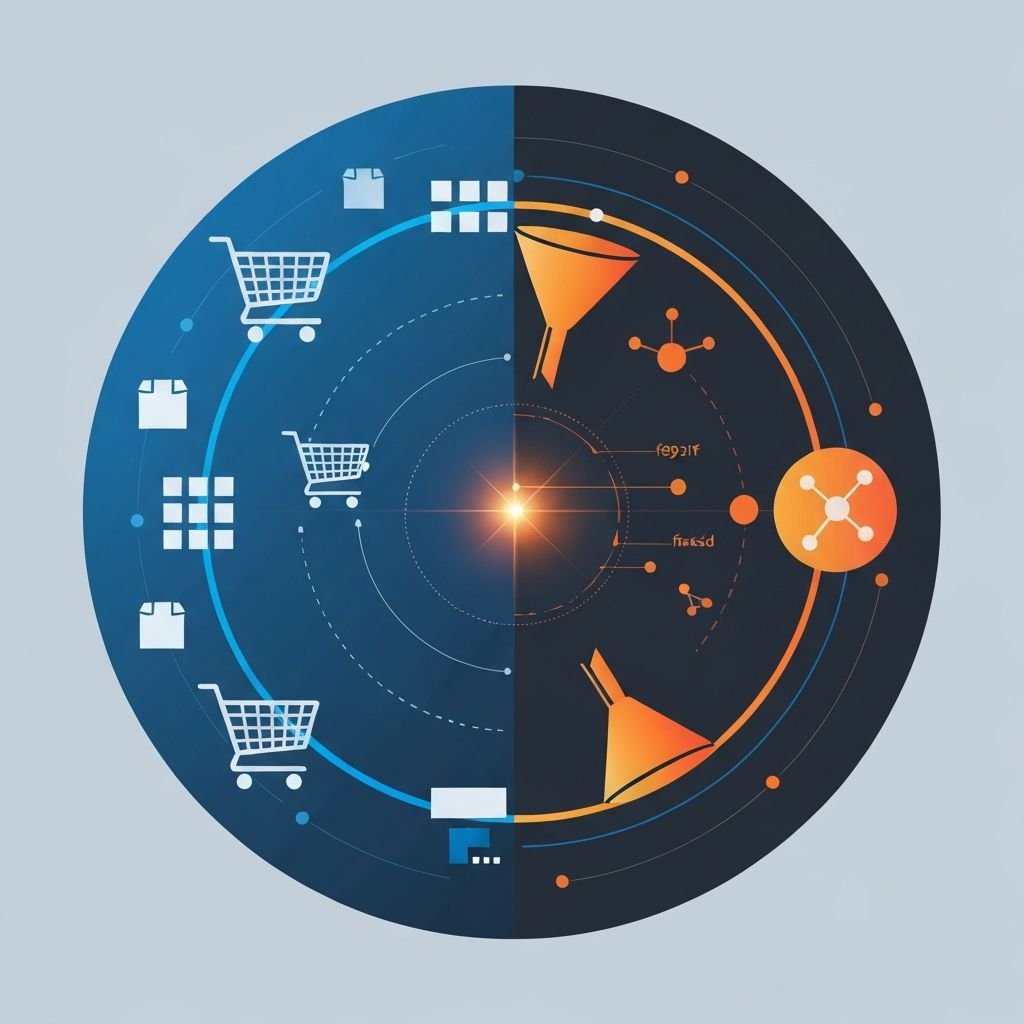
All ecommerce marketing is digital marketing, but not all digital marketing is ecommerce marketing. The differences matter more than most teams realize. Ecommerce has its own funnels, KPIs, channels, and competitive dynamics. A strategy that works for a B2B SaaS company can fall flat for an online store, and vice versa. At AAMAX.CO, we work across both worlds and help brands apply the right playbook for their specific business model.
Understanding these differences is the first step to building a strategy that actually fits your business.
Different Buyer Journeys
In general digital marketing, the journey often involves long consideration periods, multiple decision makers, and demos or consultations. In ecommerce, the journey can be as short as a single scroll on a phone. Buyers see a product, like it, and check out within minutes.
This compresses the funnel and makes early-stage trust signals critical. Reviews, return policies, fast shipping, and clean product photography do far more than long whitepapers in ecommerce contexts.
Different KPIs
B2B and service-based marketing usually focuses on lead volume, lead quality, and pipeline value. Ecommerce focuses on entirely different metrics:
- Conversion rate: Percentage of visitors who purchase.
- Average order value: Average revenue per order.
- Customer lifetime value: Total revenue from a customer over time.
- Return on ad spend: Revenue earned per dollar spent.
- Repeat purchase rate: Percentage of customers who buy again.
Optimizing for the wrong metric is one of the most common mistakes in ecommerce. Maximizing ROAS at the expense of LTV, for example, can quietly cripple long-term growth.
Different Channel Mix
While both worlds use the same major channels, the priority shifts. Ecommerce leans heavily on:
- Paid social on platforms like Meta and TikTok
- Shopping ads through Google ads
- Email and SMS lifecycle marketing
- Influencer and creator partnerships
- Retargeting and dynamic product ads
General digital marketing, especially in B2B, leans more on long-form content, search ads for high-intent keywords, LinkedIn campaigns, and webinar funnels. Both ecosystems use SEO heavily, but with very different content strategies.
Product-Led Content vs Demand-Gen Content
Ecommerce content is often product-led. Buyer guides, comparison posts, and "best of" lists drive purchase intent. Even editorial content frequently leads back to specific products. The goal is to support purchase decisions and capture buyers who are already in market.
In other digital marketing contexts, content often focuses on creating demand from scratch, educating buyers, and building thought leadership over time. Both approaches require strong search engine optimization, but the angles and formats differ.
Different Approaches to Paid Media
In ecommerce, paid media is dominated by visual creative. Ad performance hinges on hooks, video edits, product demonstrations, and offers. Tracking events like add-to-cart, initiate-checkout, and purchase is essential for both reporting and algorithmic optimization.
For non-ecommerce digital marketing, paid media often focuses on lead forms, gated content, and longer nurture sequences. Cost per lead matters more than ROAS, and creative tends to be less product-focused.
Email Marketing: Two Different Worlds
In ecommerce, email is a direct revenue channel. Welcome flows, abandoned cart emails, post-purchase sequences, and replenishment reminders can drive 25 to 35 percent of total revenue. Frequency is generally higher, and promotions play a major role.
Outside of ecommerce, email is more about education, nurturing, and relationship building. The goal is often to move a prospect closer to a sales conversation, not to trigger an immediate purchase.
Different Roles for Social Media
Social media is essential in both worlds, but it plays different roles. Ecommerce uses social media marketing as both an awareness and a conversion channel, with shoppable content and integrated checkout in many platforms. Creators and influencers often act like distributed sales teams.
For service-based or B2B brands, social tends to focus on thought leadership, employer branding, and audience building rather than direct conversions.
Different Tech Stacks
Ecommerce stacks revolve around platforms like Shopify, WooCommerce, BigCommerce, or Magento, plus apps for reviews, subscriptions, loyalty, and shipping. The marketing stack is tightly integrated with the storefront and order management systems.
Other digital marketing operations rely more on CRMs, marketing automation platforms, and pipeline tools. Both worlds need analytics, but the data models look very different.
Different Risks and Margins
Ecommerce often runs on tight margins, especially in physical goods. A small swing in CAC, return rate, or shipping cost can flip a profitable business into the red. This makes financial discipline a core marketing skill in ecommerce.
Higher-margin service businesses can sometimes afford to test bigger swings or pay more for individual leads. Both models reward discipline, but the math is different in important ways.
How AAMAX.CO Builds Strategies for Both Worlds
We are a full-service digital marketing company offering web development, digital marketing, and SEO services worldwide. We design strategies tailored to your specific business model, whether you sell physical products online or complex services to businesses. Hire AAMAX.CO to make sure your marketing strategy actually matches the way your business creates value.
Treating ecommerce marketing like generic digital marketing is one of the most expensive mistakes a brand can make. The right strategy starts with respecting the differences and designing accordingly.
Want to publish a guest post on aamax.co?
Place an order for a guest post or link insertion today.
Place an Order