

Does a Feedproxy Effect SEO
Understanding the Effect of a Feed Proxy on SEO
Feed proxies are one of those web technologies that most site owners never choose deliberately. You install a plugin, connect a newsletter tool, or join a syndication network, and suddenly a third-party domain sits between your published articles and the people reading them. Months later you notice unfamiliar proxy URLs filling your referral reports or appearing as backlinks, and the natural question follows: is this helping my search performance, hurting it, or simply noise?
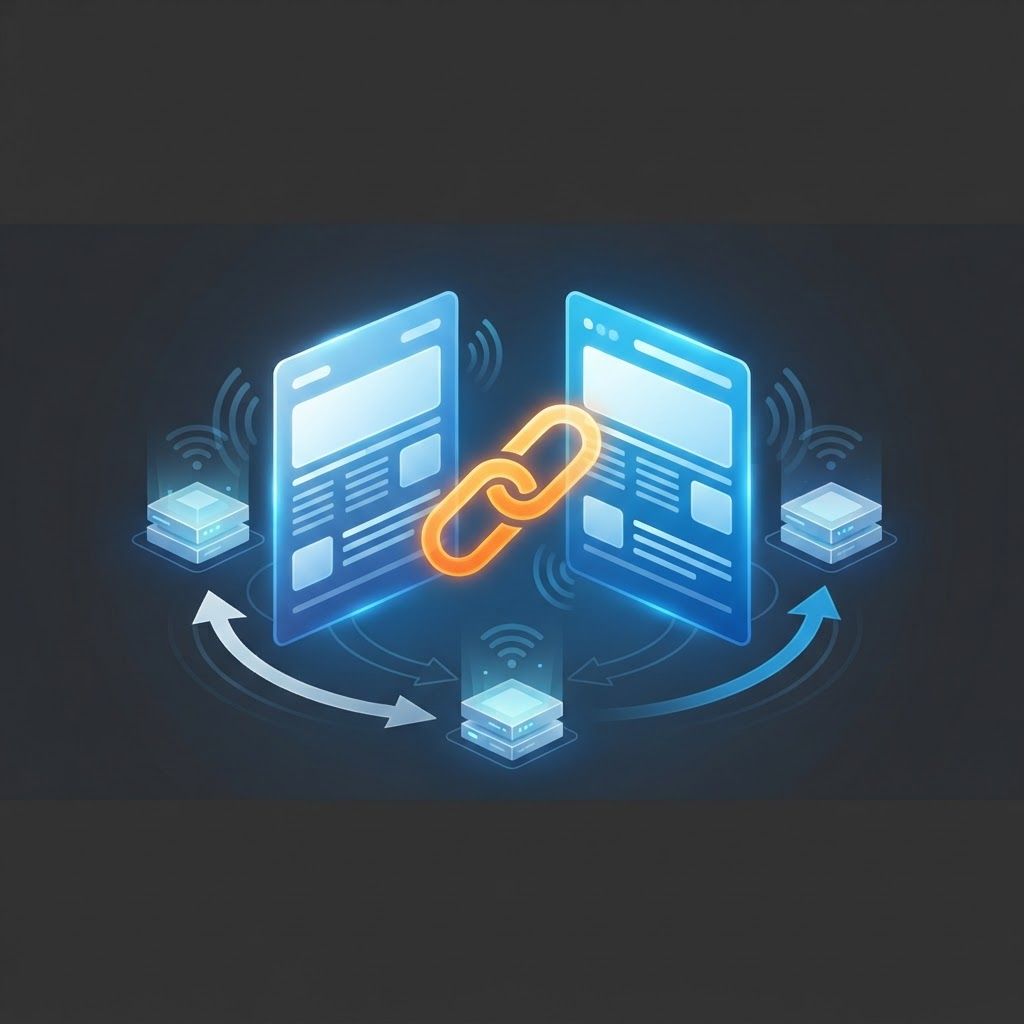
The effect is real but usually modest, and it is highly dependent on configuration. A feed proxy does not carry an inherent penalty and is not a growth hack either. What it does is introduce an extra layer of URLs, redirects, and content copies into your ecosystem — and every one of those layers is an opportunity for signals to become ambiguous. SEO rewards clarity, so ambiguity is the actual risk here, not the proxy itself.
How AAMAX.CO Untangles Proxy and Canonical Problems
Signal confusion is one of the most under-diagnosed causes of stalled search performance. AAMAX.CO is a full service digital marketing company delivering web development, digital marketing, and SEO services worldwide, and this is precisely the kind of issue our technical audits are built to surface. We trace how your content leaves your site, where copies end up, which URL search engines treat as canonical, how many hops your inbound links pass through, and whether proxy traffic is corrupting the reports you use to make decisions. Then we implement the fixes across your CMS, templates, and feed configuration so your original pages get the credit and your data becomes trustworthy again.
What Creates a Feed Proxy URL in the First Place
Feed proxies exist to solve a legitimate problem: RSS and Atom feeds provide no built-in analytics, so distribution services rewrite the links inside a feed to route clicks through their own domain and count them. Newsletter platforms, feed readers, content aggregators, and syndication partners all do variations of this. The result is a URL on their domain that redirects to yours. That redirect is normally correct and permanent, and users never notice. Search engines, however, encounter these URLs when crawling pages that embed feed content, and treat them as part of the link graph.
Effect One: Canonical Ambiguity
The most consequential effect is canonical confusion. When your full article text travels through a feed into other domains, multiple near-identical copies exist across the web. Search engines must decide which is authoritative. They usually get it right, favouring the version that was crawled first and carries consistent canonical signals — but not always. On sites with modest authority, a copy on a much stronger domain can win the ranking for your own content. The fix is not to abandon syndication but to make your claim unmistakable: self-referencing canonical tags on your pages, absolute canonical links inside feed items, excerpt-only feeds for wide distribution, and attribution requirements for partners.
Effect Two: Diluted and Fragile Link Signals
Links that reach your content through a proxy still pass most of their value, since a permanent redirect transmits signals. The problems are subtler. Each additional hop adds latency and a small amount of attrition. More importantly, those links depend on a third party continuing to operate. When a proxy service is retired or reconfigured — something that has happened repeatedly across the industry — every link routed through it can break simultaneously, and you lose authority you never realised was rented rather than owned. Where possible, encourage partners and publishers to link directly to your canonical URLs.
Effect Three: Crawl Efficiency and Indexation
Feeds multiply URLs. Between main feeds, category feeds, tag feeds, author feeds, comment feeds, and paginated variants, a content-heavy site can expose hundreds of endpoints that no user will ever land on. Search engines fetch these, consuming crawl attention that would be better spent on your actual pages. For a small site this is a non-issue; for a large publisher it can measurably slow the discovery of new content. Limiting which feeds you expose, keeping them out of the index, and ensuring they do not generate endless parameterised variations keeps crawling focused.
Effect Four: Broken Measurement
Perhaps the most practical damage is to analytics. Proxy domains collapse several genuinely different acquisition channels — email subscribers, feed readers, partner sites, aggregators — into a single anonymous referral source. Some proxy traffic also includes automated fetches that inflate sessions and depress engagement metrics. Since teams allocate budget based on reported performance, distorted data leads to bad decisions: cutting a channel that actually works, or scaling one that does not. Tagging feed links with campaign parameters, excluding known bot sources, and segmenting proxy referrals restores the clarity any serious digital marketing programme depends on.
When a Feed Proxy Is Actually Beneficial
It is worth saying that syndication through proxies is not something to eliminate reflexively. Feeds distribute your work to audiences you would never reach directly, generate genuine referral traffic, build brand familiarity, and often lead to organic mentions and links from people who discovered you through an aggregator. Subscriber analytics from proxies help you understand which topics resonate. The goal is controlled syndication, not zero syndication — reach without surrendering attribution.
A Practical Checklist for Safe Configuration
Audit what your feed currently outputs and switch to excerpts if it is publishing full articles to wide distribution. Confirm each feed item includes an absolute link to the canonical URL. Verify on-page canonical tags are correct and self-referencing. Reduce the number of exposed feeds to those that serve a real purpose. Check inbound proxy links for excessive redirect chains and ask partners for direct links where feasible. Add campaign parameters to feed links so traffic is attributed properly. Search for distinctive sentences from your recent articles to see who is republishing them and whether copies are outranking you. Repeat this review after any platform migration or major plugin update.
Attribution in an AI-Mediated Web
Syndication now has a further dimension. Answer engines and AI assistants summarise content and credit sources selectively, and when your article exists in many places without clear provenance, the credit may go elsewhere entirely. Losing attribution to an aggregator inside an AI answer is a visibility loss that traditional rank tracking will never show you. Clean canonicalisation, consistent organisation and author markup, and original material that cannot simply be paraphrased all improve your odds of being the named source, which is the central concern of GEO services.
Conclusion
A feed proxy affects SEO mainly by adding ambiguity — to canonicalisation, to your link profile, to crawl priorities, and to your data. Left unmanaged, that ambiguity quietly costs you rankings, resilience, and accurate measurement. Managed deliberately, syndication becomes a genuine growth channel with negligible downside. If proxy URLs are cluttering your reports and you want certainty about what they are doing to your visibility, our team can audit the whole chain and put you back in control.
Want to publish a guest post on aamax.co?
Place an order for a guest post or link insertion today.
Place an Order