

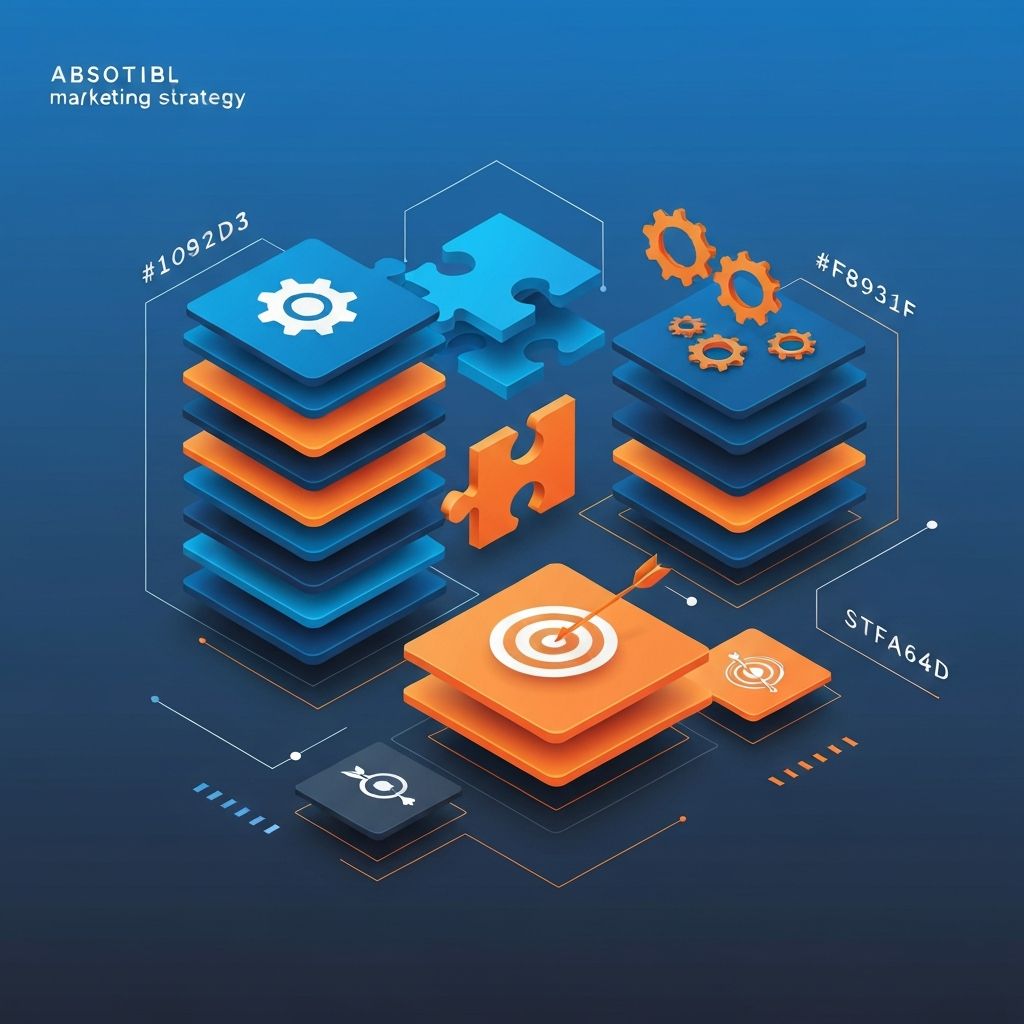
Digital Marketing Strategy Framework
Why You Need a Framework, Not a Wishlist
Most marketing plans fail because they are really just lists of tactics: post on LinkedIn, run Google Ads, redo the website, send more emails. Tactics without a framework cannot adapt when budgets shift, channels change, or priorities evolve. A strong digital marketing strategy framework gives you a repeatable structure for making decisions, evaluating opportunities, and saying no to distractions.
At AAMAX, we use a five-layer framework with every client. It works for early-stage startups, established service businesses, and global brands because it is grounded in fundamentals that do not change even as platforms do.
Layer 1: Business Objectives
Every strategy starts with the question, what does the business actually need to achieve in the next twelve months? Not vanity goals like more followers, but real ones like increase qualified pipeline by forty percent, reduce CAC by fifteen percent, or expand into two new metro markets. Each objective must be specific, measurable, and tied to revenue, profit, or strategic positioning.
Without this layer, every channel decision is essentially a coin flip. With it, every dollar and every hour has a clear purpose.
Layer 2: Audience and Positioning
Once objectives are clear, the next layer defines who you are trying to reach and why they should choose you. Build detailed buyer personas grounded in real customer interviews, sales call recordings, and CRM data, not assumptions. For each persona, document their goals, pain points, objections, preferred channels, and the specific words they use to describe their problem.
Then sharpen your positioning. What is your one-sentence promise that no competitor can credibly make? Strong positioning makes every downstream decision easier, from headline copy to ad creative to sales scripts.
Layer 3: Channel Strategy
This is where most agencies start and where most plans go wrong. Channels are tools, not strategies. Choose them based on where your audience already spends time and how they prefer to be reached. For B2B SaaS, that often means LinkedIn organic, paid search, content-driven SEO, and email. For local services, it usually means Google Business Profile, Google Ads, reviews, and hyper-local content. For ecommerce, it tends to be Meta Ads, Google Shopping, email and SMS, and influencer partnerships.
Concentrate on two or three primary channels until they are working well, then expand. Spreading thin across eight platforms is the fastest way to mediocrity.
Layer 4: Content and Creative System
Channels are pipes; content is what flows through them. Build a content engine organized around three pillars: educate, entertain, and convert. Educational content earns trust and powers search engine optimization, entertainment-style content earns reach and emotional connection, and conversion-focused content drives action.
Repurposing is the secret to scale. A single long-form podcast can become a YouTube video, three short reels, a blog post, an email, ten social posts, and ad creative. The teams that win are not the ones producing the most original content; they are the ones squeezing the most value from every asset they create.
Layer 5: Measurement and Optimization
The final layer closes the loop. Define a small set of north-star metrics for each objective and instrument your stack to track them honestly. Use UTM parameters, server-side tracking where appropriate, CRM integrations, and qualitative inputs like sales call feedback. Schedule a weekly tactical review and a monthly strategic review so insights actually change behavior.
Optimization is not a one-time event. The best teams treat their marketing system as a living organism that gets one percent better every week through small, disciplined experiments.
How the Layers Work Together
The magic of the framework is in how the layers interact. A change in business objectives should ripple through audience priorities, channel mix, content themes, and measurement KPIs within a single planning cycle. When everything is connected, you stop having debates about whether to try the latest TikTok trend and start having debates grounded in evidence and goals.
Common Pitfalls to Avoid
Even with a great framework, teams stumble in predictable ways. They confuse activity with progress, chase shiny new platforms before mastering existing ones, change strategy every quarter, or fail to align marketing with sales. The fix in every case is to return to the framework and ask which layer is actually broken before reaching for new tactics.
Hire AAMAX.CO to Build Your Framework
If your marketing feels scattered, expensive, and hard to evaluate, the problem is rarely the tactics; it is the missing framework underneath them. Hire AAMAX.CO and we will partner with you to design a custom strategy framework, document it clearly, and execute it across every channel that matters. We are a full-service digital marketing company offering web development, digital marketing, and SEO services worldwide, and we believe great strategy is what separates brands that scale from brands that stall.
Want to publish a guest post on aamax.co?
Place an order for a guest post or link insertion today.
Place an Order