

What Is the Difference Between Web Design and Web Development
Introduction: Two Sides of the Same Coin
One of the most common questions we hear from clients is: what is the difference between web design and web development? On the surface, the two terms are often used interchangeably, but in reality they refer to two very different disciplines. Both are essential for creating a successful website, and understanding how they differ — and how they work together — will help you make smarter decisions about your next project.
At AAMAX.CO, we offer both services under one roof, ensuring our clients enjoy a seamless experience from concept to launch. In this article, we will break down what web design is, what web development is, how they overlap, and why both matter for your online success.
What Is Web Design?
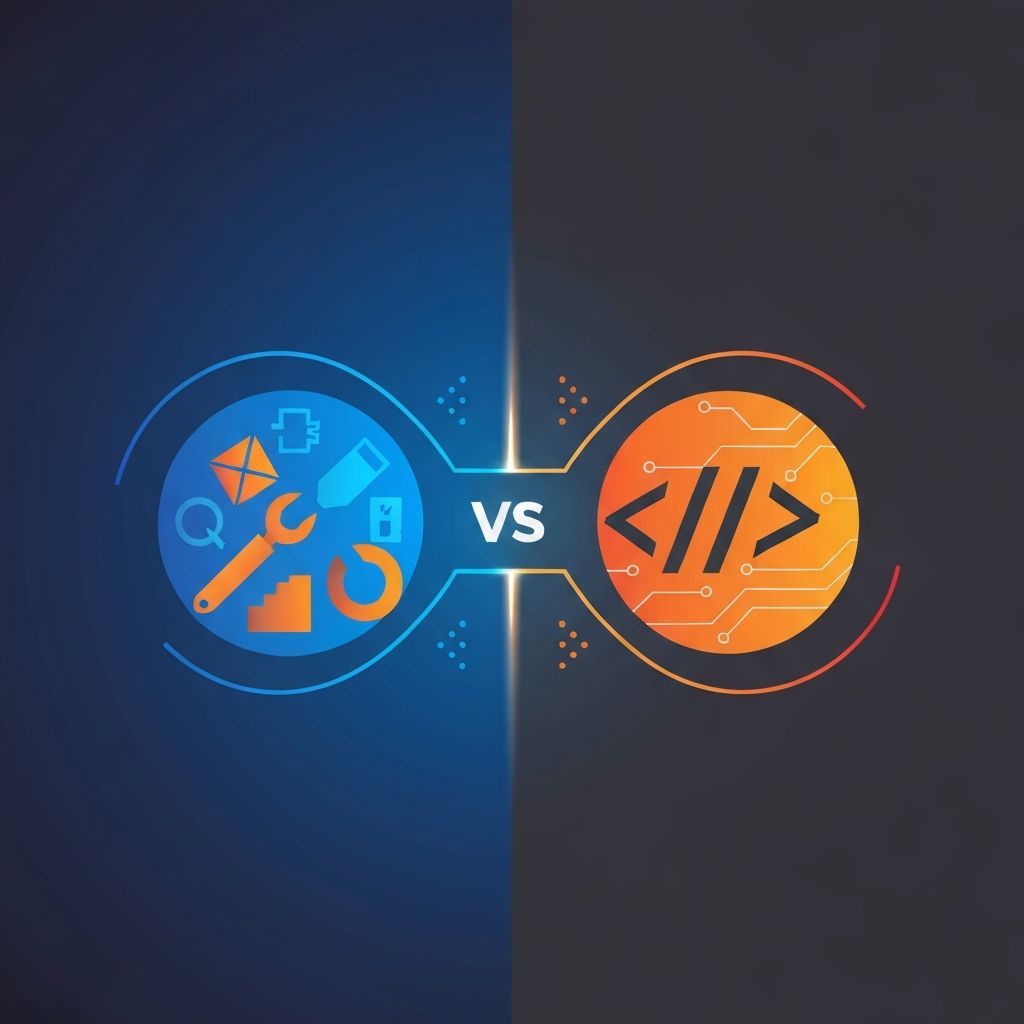
Web design is the process of planning, conceptualizing, and arranging the visual and experiential elements of a website. It encompasses everything a user sees and interacts with — layout, color schemes, typography, imagery, navigation, animations, and overall user flow. Web designers are concerned with how a site looks, feels, and behaves from the user's perspective.
Web design typically includes the following sub-disciplines:
UI Design (User Interface): Focuses on the visual layout and interactive elements like buttons, forms, and menus.
UX Design (User Experience): Focuses on the overall journey a user takes through the website, including information architecture, usability, and accessibility.
Visual Design: Concentrates on aesthetics — color, typography, imagery, and brand alignment.
Interaction Design: Defines how users interact with the interface through animations, transitions, and feedback.
Designers commonly use tools such as Figma, Sketch, Adobe XD, Photoshop, and Illustrator. They produce wireframes, mockups, and prototypes that serve as blueprints for developers.
What Is Web Development?
Web development is the process of building, coding, and maintaining the actual website. It is what brings a designer's mockup to life as a functional, interactive product on the internet. Developers write the code that controls how a website behaves, communicates with servers, processes data, and responds to user actions.
Web development is generally divided into two main areas:
Front-End Development: The client-side of the website, focused on what users see and interact with directly. Front-end developers use HTML, CSS, JavaScript, and frameworks like React, Vue, or Next.js. Learn more about our front-end web development services.
Back-End Development: The server-side of the website, responsible for databases, authentication, business logic, and APIs. Back-end developers use languages like Node.js, Python, PHP, Ruby, or Go. Explore our back-end web development capabilities.
Full-Stack Development: Combines both front-end and back-end skills. Many of our developers specialize in modern stacks like the MERN stack, which includes MongoDB, Express, React, and Node.js.
Key Differences at a Glance
While both disciplines aim to create great websites, their day-to-day work and required skills are quite different:
Focus: Designers focus on aesthetics and user experience; developers focus on functionality and performance.
Tools: Designers use design software like Figma; developers use code editors like VS Code and frameworks like React or Next.js.
Output: Designers produce mockups and prototypes; developers produce functional code and live websites.
Skills: Designers need creativity, visual sensitivity, and empathy for users; developers need logical thinking, problem-solving, and proficiency in programming languages.
Mindset: Designers think in terms of user journeys and emotional impact; developers think in terms of architecture, performance, and scalability.
How Web Design and Web Development Work Together
Despite their differences, web design and web development are deeply interconnected. A beautiful design that cannot be built efficiently is useless, and a perfectly coded site that looks generic will struggle to engage users. The most successful websites are born from tight collaboration between designers and developers throughout the entire project lifecycle.
This collaboration usually follows a workflow like this:
1. Discovery and Strategy: Designers and developers join forces to understand the client's goals, audience, and requirements.
2. Wireframing: Designers create low-fidelity sketches of the layout, often with input from developers about technical feasibility.
3. High-Fidelity Mockups: Designers refine the visuals, choose colors and typography, and finalize the look and feel.
4. Prototyping: Interactive prototypes are tested with users to validate UX decisions before any code is written.
5. Development: Developers transform mockups into functional code, building both the front-end and back-end.
6. Testing and Launch: Both teams work together to test, refine, and launch the site.
The Hybrid Role: Designer-Developers
The line between design and development is increasingly blurred. Many modern professionals call themselves designer-developers — people who can design beautiful interfaces and also write the code to bring them to life. This hybrid skill set is especially valuable for startups and agencies that need versatile team members.
However, for larger or more complex projects, having dedicated specialists in each area still produces the best results. That is why agencies like AAMAX.CO maintain teams of dedicated designers and developers who collaborate closely on every project.
Which Do You Need: A Designer or a Developer?
The answer depends on your project. If you only need a visual refresh of an existing site, a designer might be enough. If you need to build complex functionality like a custom CMS, e-commerce platform, or web application, you will need developers. For a complete website project, you will likely need both — and you will benefit from working with an agency that offers integrated services.
For example, if you need a content-managed business website, our WordPress development services combine design and development under one roof. For a high-performance modern web app, our web application development team handles everything from UI/UX to deployment.
The Importance of Communication and Project Management
One of the biggest challenges in web projects is communication between designers and developers. Misalignment can lead to missed deadlines, scope creep, and disappointing results. That is why we put strong emphasis on project management, regular check-ins, and shared documentation. Our process ensures everyone stays aligned from kickoff to launch.
If you are unsure how to plan your next web project, our web development consulting services can help you map out the right strategy and team structure for your goals.
How AAMAX.CO Bridges Design and Development
We pride ourselves on being a full-service digital agency offering Web Development, Digital Marketing, and SEO services. Our integrated approach means our designers and developers work side-by-side from day one, eliminating handoff issues and ensuring a smooth, efficient process.
When you hire us, you do not have to choose between design and development. You get a unified team that delivers websites that are visually stunning, technically sound, and strategically aligned with your business goals.
Conclusion
Web design and web development are two complementary disciplines that together create the websites we use every day. Designers shape how a site looks and feels; developers build the functionality that makes it work. Understanding the difference helps you communicate better with your team, set realistic expectations, and choose the right partners for your project.
If you are ready to start a project that benefits from both world-class design and rock-solid development, hire AAMAX.CO. We will guide you through every step, from concept to launch and beyond.
Want to publish a guest post on aamax.co?
Place an order for a guest post or link insertion today.
Place an Order