

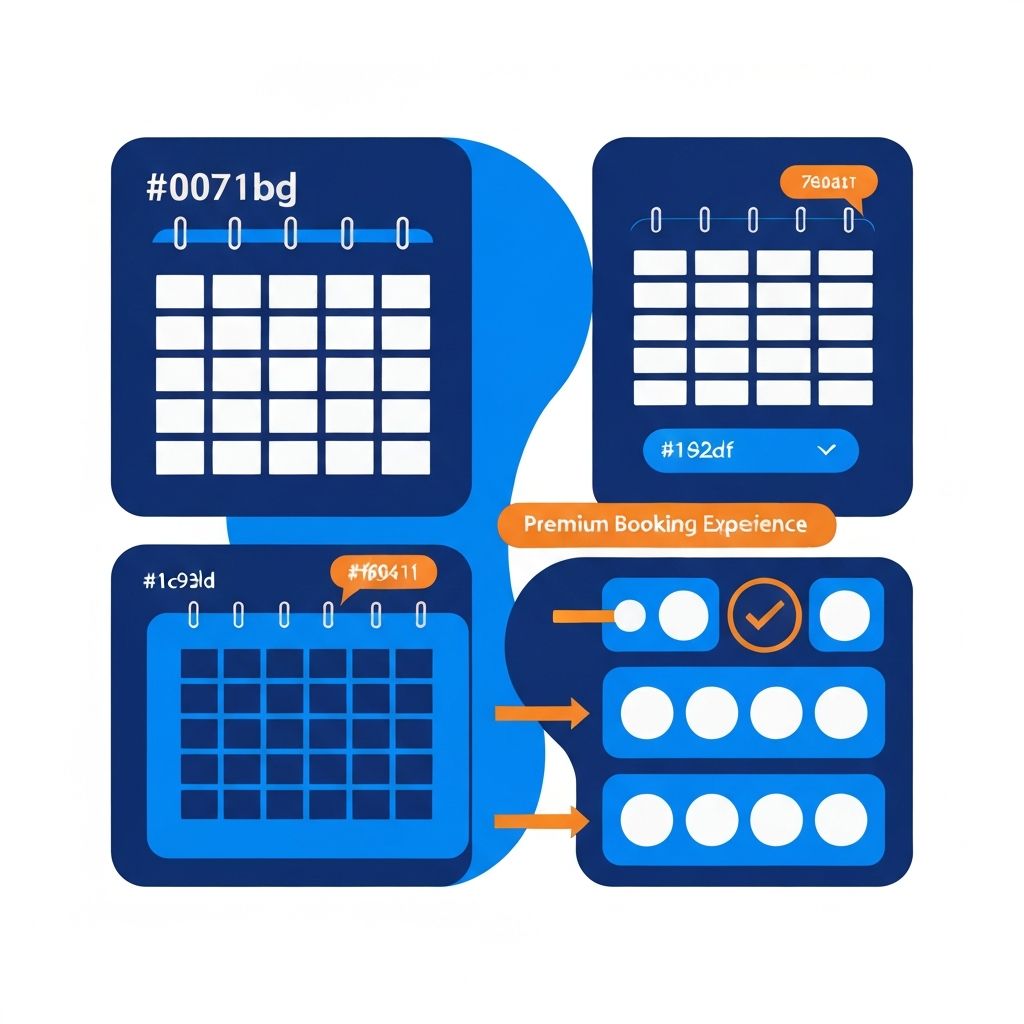
Booking Web Design
The Art and Science of Booking Web Design
Booking websites represent some of the most conversion-critical digital properties businesses operate. Every design decision directly impacts whether visitors complete reservations or abandon to competitors. Whether you facilitate hotel bookings, appointment scheduling, event registrations, or rental reservations, your booking interface must combine intuitive usability with persuasive design. At AAMAX.CO, we specialize in creating booking experiences that convert browsers into customers.
The stakes in booking web design are substantial. A confusing interface doesn't just frustrate users—it directly costs revenue as potential customers give up and book elsewhere. Conversely, a streamlined booking experience can become a competitive advantage, driving direct bookings and reducing reliance on third-party platforms that take significant commission fees.
Modern booking expectations have been shaped by industry leaders like Airbnb, Booking.com, and OpenTable. Users expect instant availability checking, transparent pricing, mobile-responsive interfaces, and confirmation within seconds. Meeting these expectations requires sophisticated technical implementation alongside thoughtful design.
Conversion-Focused User Experience
Booking website design must prioritize the path to conversion above all else. While brand storytelling and content marketing have their place, nothing should distract from or impede the core booking journey. Every page should guide visitors toward making reservations.
Prominent search and booking interfaces should appear immediately upon arrival, often dominating the homepage above the fold. Users should be able to begin specifying their booking parameters—dates, party size, service type—within seconds of landing. Any delay or confusion at this critical moment risks losing the visitor entirely.
Progress indicators help users understand where they are in multi-step booking processes. Showing clear steps like "Select Dates → Choose Options → Enter Details → Confirm" reduces anxiety and abandonment by setting expectations and demonstrating how close users are to completion.
Availability and Pricing Transparency
Nothing frustrates potential customers more than hidden pricing or unclear availability. Booking websites must provide transparent, real-time information that enables confident decision-making. Surprises during checkout cause cart abandonment and erode trust.
Real-time availability displays prevent the frustrating experience of proceeding through a booking process only to discover desired dates or options are unavailable. Calendar interfaces with clear available/unavailable indicators, color-coded pricing tiers, and minimum stay requirements all help users self-select viable options.
Pricing clarity means showing total costs including all fees before users reach final checkout stages. While mandatory disclosure regulations increasingly require this transparency, best practices go further by making cost breakdowns available early in the booking process. Our web application development team builds sophisticated pricing calculators that provide instant, accurate quotes.
Mobile-First Booking Experiences
A substantial portion of booking research and an increasing percentage of booking completions occur on mobile devices. Your booking website must deliver fully functional, equally convenient experiences across all screen sizes.
Touch-friendly interfaces with appropriately sized buttons and tap targets prevent the frustration of mis-clicks on small screens. Date pickers designed for mobile interaction, simplified forms with smart keyboard types, and streamlined checkout flows all contribute to mobile booking success.
Mobile payment options like Apple Pay and Google Pay can significantly boost conversion rates for mobile bookings by eliminating the need to type credit card information on small screens. One-tap payments reduce friction at the most critical conversion moment.
Trust Signals and Social Proof
Booking decisions involve committing money before receiving services, requiring substantial trust. Your website must establish credibility quickly and reinforce confidence throughout the booking process.
Customer reviews and ratings provide powerful social proof that builds confidence. Displaying aggregate ratings, recent reviews, and verified purchase badges shows that others have booked successfully and been satisfied. Integration with trusted platforms like TripAdvisor, Google Reviews, or Yelp adds third-party validation.
Security indicators become especially important during checkout. SSL certificates, recognized payment processor logos, and clear privacy policy links reassure users that their personal and payment information is protected. Trust badges from security auditing services can provide additional confidence.
Smart Form Design
Booking forms collect essential information while representing potential friction points where abandonment occurs. Smart form design minimizes effort required while capturing everything needed to fulfill reservations.
Progressive disclosure presents only necessary fields at each step rather than overwhelming users with lengthy forms. Ask for detailed preferences after establishing basic booking parameters. Collect payment information only after users have committed to specific selections.
Auto-fill support, inline validation, and helpful error messages reduce form friction. Remembering returning customer information enables one-click repeat bookings. Guest checkout options prevent account creation from becoming a barrier to conversion.
Upselling and Cross-Selling Integration
Booking interfaces present natural opportunities to increase average transaction values through thoughtful upselling and cross-selling. However, these additions must enhance rather than impede the core booking experience.
Relevant add-ons presented at appropriate moments—after primary booking details are confirmed but before final checkout—can significantly boost revenue. Spa appointments for hotel bookings, priority seating for event tickets, or premium options for service appointments all represent value-adding opportunities.
Bundling displays that show savings for combined purchases encourage larger bookings. "Complete your experience" suggestions with compelling imagery and clear value propositions drive add-on adoption without feeling pushy or distracting from the primary transaction.
Confirmation and Post-Booking Experience
The booking experience doesn't end at confirmation. Post-booking communications and portal experiences contribute to satisfaction, reduce cancellations, and set the stage for positive reviews and repeat business.
Immediate confirmation emails with complete booking details, cancellation policies, and preparation guidance provide reassurance and utility. Calendar integration options help customers keep track of their reservations. Pre-arrival communication with helpful information builds anticipation and engagement.
Self-service modification and cancellation capabilities reduce support burden while providing customer convenience. Our website development approach creates comprehensive booking management systems that serve both customer and business needs throughout the reservation lifecycle.
Analytics and Optimization
Booking websites generate valuable data about user behavior that informs ongoing optimization. Understanding where users drop off, which options they consider, and what drives conversion enables continuous improvement.
Funnel analysis identifies specific steps where abandonment occurs, focusing optimization efforts where they'll have the greatest impact. A/B testing different approaches—button colors, form layouts, pricing presentations—provides data-driven guidance for design decisions.
Conversion rate optimization for booking websites can generate substantial returns. Even small percentage improvements in conversion rates translate directly to revenue increases, making ongoing optimization investment highly worthwhile.
Technical Performance Requirements
Booking websites have stringent performance requirements. Slow-loading availability searches frustrate users and risk abandonment. Complex calculations must complete instantaneously. Payment processing must be reliable and secure.
Our Next.js web development capabilities enable high-performance booking applications with server-side rendering for fast initial loads and optimized client-side interactions for responsive user experiences. We architect systems that maintain speed even under heavy booking traffic.
Conclusion
Booking web design represents a specialized discipline where user experience directly determines business success. Every friction point costs revenue, while every improvement drives growth. Success requires combining conversion-focused design thinking with sophisticated technical implementation.
We bring extensive experience creating booking platforms across hospitality, services, events, and rental industries. Our understanding of what drives booking conversion informs every design decision, while our technical capabilities enable the sophisticated functionality modern booking expectations require. Let us transform your booking experience into a competitive advantage that drives revenue growth.
Want to publish a guest post on aamax.co?
Place an order for a guest post or link insertion today.
Place an Order