

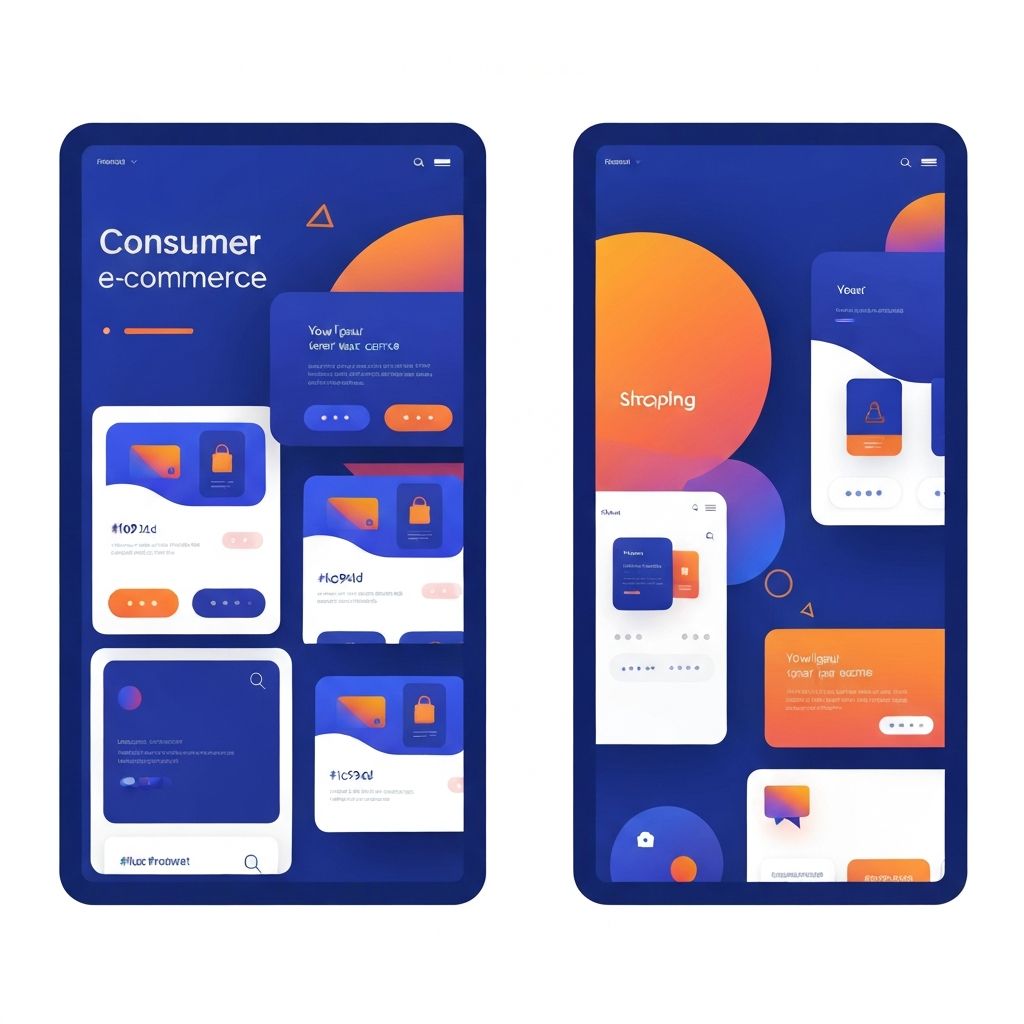
B2C Web Design
The Distinct World of B2C Web Design
Business-to-consumer web design operates under different principles than B2B design. Consumer websites must capture attention quickly, appeal to emotions, and drive immediate action. The shortened decision cycles and individual purchasing authority in B2C create unique design challenges and opportunities.
While B2B websites nurture relationships over extended periods, B2C sites often have just seconds to convince visitors to stay, explore, and ultimately purchase. This fundamental difference shapes every aspect of design strategy.
Emotional Engagement in Consumer Design
B2C web design leverages emotional triggers more extensively than B2B counterparts. Consumers make purchasing decisions based on desire, aspiration, fear of missing out, and social belonging in addition to rational evaluation.
At AAMAX.CO, we understand how to create emotional resonance through design. Color psychology, imagery selection, and copywriting all contribute to emotional impact that drives consumer behavior.
Lifestyle imagery places products in aspirational contexts. Compelling product photography showcases details that trigger desire. User-generated content provides social proof that others have made similar choices. These elements combine to create emotional experiences that drive conversions.
Speed and Simplicity
Consumer attention spans are notoriously short, making speed essential in B2C design. Pages must load instantly, navigation must be obvious, and paths to purchase must be frictionless.
Every click represents an opportunity for abandonment. Effective B2C websites minimize steps between arrival and conversion while making each step clear and compelling. Our website design approach prioritizes this streamlined experience.
Simplicity extends beyond navigation to visual design. While consumer sites can be more playful than B2B counterparts, visual clutter confuses and overwhelms. The most effective B2C designs guide attention to key elements while maintaining engaging aesthetics.
Mobile-First Consumer Experiences
Mobile traffic dominates B2C web interactions. Shopping, research, and purchasing increasingly happen on smartphones, requiring truly mobile-first design approaches.
Mobile B2C design must account for thumb navigation, limited screen space, and distracted usage contexts. Large tap targets, swipeable galleries, and simplified forms accommodate mobile behaviors.
Our front-end web development team creates mobile experiences that don't compromise on functionality or engagement while optimizing for smaller screens.
E-Commerce Considerations
Many B2C websites include e-commerce functionality, adding specific design requirements. Product pages must showcase items effectively, cart experiences must encourage completion, and checkout flows must minimize abandonment.
Product page design combines compelling imagery, clear specifications, persuasive descriptions, and prominent calls-to-action. Related products, customer reviews, and inventory indicators add context that supports purchasing decisions.
Cart and checkout optimization requires particular attention. Unexpected costs, complicated forms, and lack of payment options are leading causes of abandonment. Effective B2C design addresses these friction points systematically.
Social Integration
Social media plays a larger role in B2C than B2B marketing, and websites should integrate with social channels effectively. Social sharing buttons, embedded feeds, and user-generated content bridges connect websites with broader social presence.
However, social integration should enhance rather than distract from core conversion goals. Strategic placement ensures social elements support rather than compete with primary calls-to-action.
Personalization and Recommendations
Consumer websites increasingly employ personalization to create relevant experiences. Product recommendations based on browsing history, personalized home pages for returning visitors, and dynamic content based on location or preferences all enhance engagement.
Machine learning powers sophisticated recommendation engines that surface products visitors are likely to want. These systems improve over time as they learn from user behavior.
Visual Storytelling
B2C brands often build identity through visual storytelling that creates emotional connections with consumers. Website design should reinforce and extend this storytelling effectively.
Hero sections set the stage with immersive imagery or video. Product pages continue narratives through lifestyle photography. Even transactional elements can reinforce brand story through visual language.
Our website development capabilities include rich media implementations that bring brand stories to life across devices.
Trust and Security
While B2C purchases are typically smaller than B2B transactions, consumers still need assurance that their information is protected and purchases are guaranteed. Trust indicators serve important conversion functions.
Security badges, clear return policies, customer service information, and social proof all build consumer confidence. Design should make these elements visible without creating cluttered experiences.
Performance and Core Web Vitals
Google's Core Web Vitals directly impact both search rankings and user experience. B2C sites must optimize loading performance, interactivity, and visual stability.
Heavy imagery, common in B2C design, requires careful optimization. Lazy loading, responsive images, and modern formats balance visual impact with performance. Our development process includes rigorous performance testing and optimization.
Conversion Rate Optimization
B2C websites benefit significantly from systematic conversion rate optimization. A/B testing, heat mapping, and funnel analysis reveal opportunities to improve conversion at every stage.
Even small improvements in conversion rates can have dramatic business impact. Testing headlines, button colors, form fields, and page layouts generates data that informs better design decisions.
Multi-Channel Consistency
Consumer brands often interact with customers across multiple channels—websites, apps, social media, physical stores. Design consistency across these touchpoints reinforces brand identity and creates seamless experiences.
Our web application development services help brands create consistent cross-platform experiences that serve customers wherever they choose to engage.
Conclusion
B2C web design requires distinct approaches that prioritize emotional engagement, speed, mobile experience, and conversion optimization. While sharing some principles with B2B design, consumer websites operate under different dynamics that shape every design decision. At AAMAX.CO, we bring expertise in both B2B and B2C design, helping clients create websites that resonate with their specific audiences and drive measurable business results.
Want to publish a guest post on aamax.co?
Place an order for a guest post or link insertion today.
Place an Order