

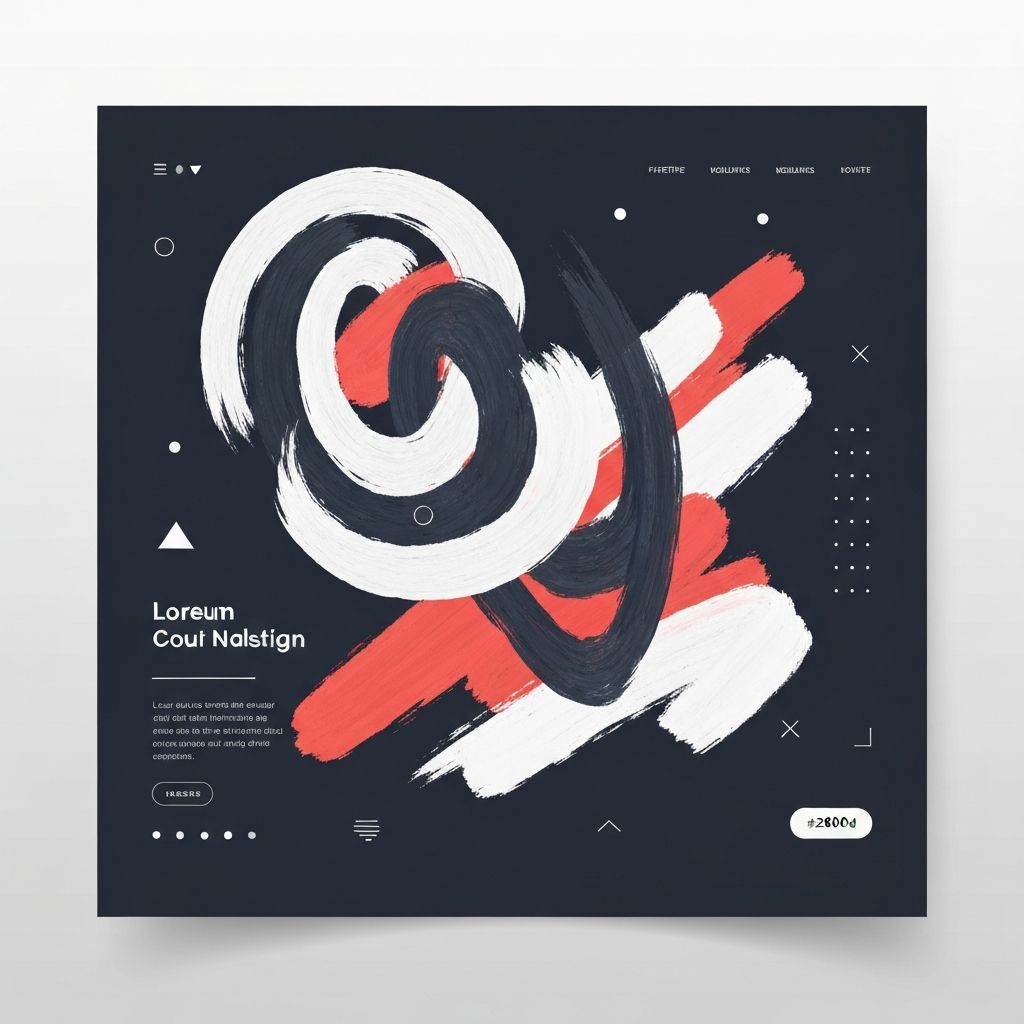
Artistic Web Design
The Intersection of Art and Digital Design
Artistic web design represents the convergence of creative expression and digital functionality, producing websites that transcend conventional design approaches to deliver truly memorable experiences. Unlike utilitarian websites focused solely on information delivery, artistic web design treats the digital canvas as an opportunity for creative exploration while still serving user needs and business objectives.
At AAMAX.CO, we believe that exceptional web design balances aesthetic ambition with practical functionality. Our team creates websites that push creative boundaries while ensuring users can navigate, understand, and take action effectively. This approach produces digital experiences that leave lasting impressions while delivering measurable business results.
Defining Artistic Web Design
Artistic web design incorporates visual arts principles—composition, color theory, typography, movement, and emotion—into digital experiences. These sites often feature unconventional layouts, bold visual choices, experimental interactions, and strong conceptual foundations that differentiate them from templated or formulaic designs.
However, artistic doesn't mean impractical. The most successful artistic websites marry creative vision with user-centered design thinking. They surprise and delight visitors while still providing clear paths to information and action. This balance requires both creative talent and technical expertise—understanding not just what looks striking, but what works effectively in the digital medium.
Who Benefits from Artistic Web Design
Certain industries and organizations particularly benefit from artistic web design approaches. Creative agencies, artists, photographers, designers, and cultural institutions often need websites that demonstrate creative capabilities through the site itself. For these entities, a conventional website might actually undermine brand positioning by suggesting limited creative ambition.
Luxury brands, fashion companies, and lifestyle businesses also leverage artistic web design to create premium digital experiences that match their market positioning. When your brand promises exceptional quality and sophisticated taste, your website must deliver an experience that reinforces those associations.
Even businesses outside traditionally creative industries can benefit from artistic approaches when differentiation is crucial. In crowded markets where competitors look similar, an artistic website can capture attention and establish memorable brand identity.
Principles of Artistic Web Design
Successful artistic web design follows principles that guide creative decision-making while ensuring functional effectiveness. Strong conceptual foundations give artistic sites coherence and meaning. Rather than applying random creative flourishes, the best artistic websites develop visual themes that connect to brand identity, messaging, or user experience goals.
Visual hierarchy remains important even in unconventional layouts. Users must still understand where to look, what's important, and how to navigate. Artistic approaches often achieve hierarchy through unexpected means—dramatic scale contrasts, strategic color use, or carefully choreographed motion—but the underlying principle persists.
Restraint paradoxically enables bold creativity. The most impactful artistic websites often feature relatively few elements executed with exceptional craft and intention. Overwhelming visitors with constant stimulation creates confusion rather than appreciation; strategic restraint creates space for powerful moments.
Typography as Art
Typography offers rich opportunities for artistic expression in web design. Beyond font selection, artistic typography explores scale, spacing, positioning, and animation to create visual impact. Oversized headlines that dominate viewports, unconventional text arrangements, and kinetic typography that responds to user interaction all transform text from content carrier to design element.
Custom typography can become central to brand identity and artistic expression. While custom typeface development requires significant investment, the uniqueness and brand ownership it provides may justify the cost for organizations where creative differentiation is paramount. Our website design services include typography strategy and implementation for clients seeking distinctive typographic identities.
Color and Emotion
Color choices profoundly impact emotional response to web design. Artistic websites often employ unconventional color palettes that challenge expectations and create memorable impressions. Bold, saturated colors command attention; unexpected combinations intrigue and distinguish; monochromatic schemes create sophisticated elegance.
Color can also create narrative and guide user journeys. Color transitions as users scroll or navigate can evoke mood shifts, signal content changes, or reinforce storytelling. These applications require technical implementation through front-end development that brings creative color visions to life effectively.
Motion and Interaction
Motion design has become central to artistic web experiences. Scroll-triggered animations, hover effects, page transitions, and ambient motion add dimensionality and engagement to digital experiences. When executed thoughtfully, motion guides attention, provides feedback, and creates delight without distracting from content or impeding navigation.
Interactive elements invite user participation in the artistic experience. Cursor effects, draggable elements, sound integration, and generative visuals that respond to user input create unique experiences for each visitor. These interactions transform passive viewing into active exploration, increasing engagement and memorability.
However, motion and interaction require careful performance consideration. Ambitious animations can strain devices and frustrate users if not optimized properly. Our development team ensures that creative motion concepts perform smoothly across devices and connection speeds.
Breaking the Grid
Conventional web design relies heavily on grid systems that organize content into predictable, easily scannable layouts. Artistic web design often deliberately breaks grid conventions to create visual tension, surprise, and distinctiveness. Overlapping elements, asymmetric compositions, and unexpected placements challenge users' expectations while creating memorable visual experiences.
Grid-breaking requires skill to execute effectively. Without careful attention to underlying structure, unconventional layouts become chaotic rather than artistic. The best artistic designs actually maintain hidden structural logic that ensures coherence even while appearing to reject convention.
Storytelling Through Design
Artistic websites often employ narrative approaches that guide users through curated experiences. Rather than presenting information as disconnected pages, these sites create journeys with beginnings, developments, and conclusions. Scroll-based storytelling, sequential reveals, and chapter-like sections transform website visits into immersive narratives.
This approach works particularly well for portfolios, product launches, brand stories, and campaign microsites where emotional engagement matters more than rapid information access. Our team has extensive experience creating story-driven websites that captivate visitors while conveying key messages effectively.
Balancing Art and Usability
The tension between artistic ambition and usability represents the central challenge of artistic web design. Creative approaches that confuse users, hide important information, or frustrate navigation ultimately fail regardless of their aesthetic merit. Successful artistic sites never sacrifice core functionality for visual impact.
User testing becomes especially important for artistic websites. Assumptions about how users will interpret unconventional designs often prove incorrect. Testing with real users identifies confusion points and navigation obstacles that designers, too close to their work, might miss.
Accessibility also deserves attention in artistic web design. Creative visual treatments shouldn't exclude users with visual impairments, motor limitations, or other accessibility needs. Color contrast, keyboard navigation, screen reader compatibility, and motion controls all require consideration even in highly artistic designs.
Technical Foundations for Artistic Expression
Ambitious artistic visions require sophisticated technical implementation. Modern CSS capabilities, JavaScript animation libraries, WebGL, and creative coding frameworks enable visual effects that would have been impossible just years ago. Our website development expertise ensures creative concepts translate into functional, performant code.
Performance optimization becomes crucial as artistic complexity increases. Large images, complex animations, and generative graphics can create substantial page weights and processing demands. Technical excellence means achieving artistic visions without sacrificing the fast, smooth experiences users expect.
Responsive Artistic Design
Artistic designs face unique challenges in responsive contexts. Carefully composed desktop experiences must adapt meaningfully to tablet and mobile screens, often requiring significant reimagination rather than simple scaling. Some artistic elements may need alternative treatments or omission on smaller screens where they cannot be experienced effectively.
The most thoughtful artistic websites create distinct but related experiences across device sizes. Rather than treating mobile as a compromised version of desktop, they identify opportunities for device-appropriate artistic expression at each breakpoint.
Measuring Artistic Website Success
Artistic websites still require measurement and optimization. While metrics like conversion rate and bounce rate apply, artistic sites might also track engagement depth, time on site, and social sharing as indicators of experience quality. Understanding how visitors interact with artistic elements informs refinement and future creative decisions.
A/B testing can validate artistic choices without compromising creative vision. Testing variations of key pages helps identify which artistic approaches resonate most strongly with target audiences, enabling data-informed creative evolution.
Conclusion
Artistic web design offers opportunities to create digital experiences that transcend the ordinary, leaving lasting impressions while achieving business objectives. Success requires balancing creative ambition with user-centered design thinking, technical excellence, and performance optimization. When executed skillfully, artistic websites become powerful brand assets that differentiate organizations in crowded digital landscapes.
Ready to explore artistic approaches for your website? Our team combines creative vision with technical expertise to create digital experiences that inspire and perform. Contact us to discuss how artistic web design can elevate your online presence.
Want to publish a guest post on aamax.co?
Place an order for a guest post or link insertion today.
Place an Order