

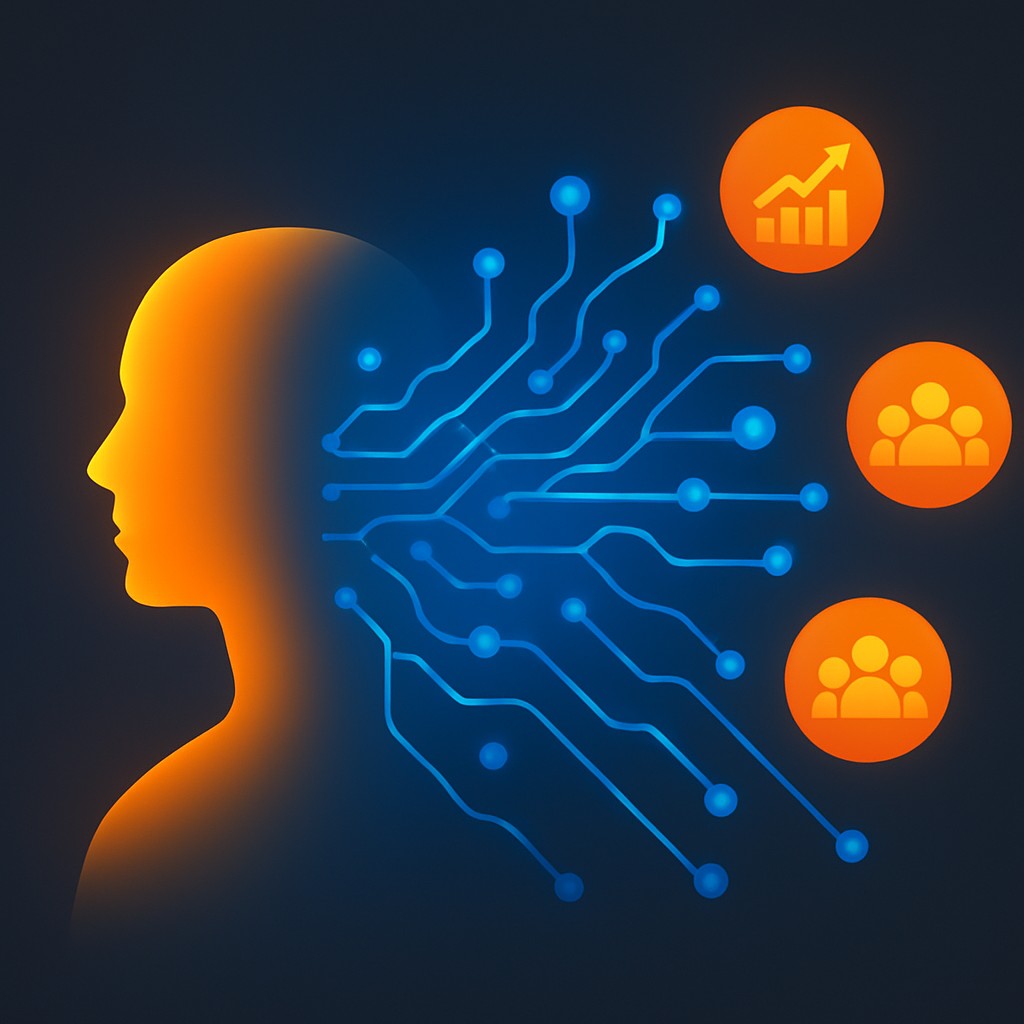
Are Marketing Jobs Safe From AI
Few questions cause more anxiety in the modern workplace than whether artificial intelligence will make a particular job obsolete. Marketers, who sit at the intersection of creativity, data, and technology, have good reason to ask the question. AI now writes copy, designs graphics, analyzes campaigns, and even predicts customer behavior. Yet the reality is more nuanced than the headlines suggest. Marketing jobs are not disappearing wholesale, but they are being redefined, and the professionals who thrive will be the ones who learn to work alongside intelligent tools rather than compete with them.
How We Can Help You Adapt at AAMAX.CO
At AAMAX.CO, we are a full-service digital marketing company that helps businesses and marketing teams worldwide embrace AI without losing the human touch that makes campaigns resonate. Whether you need to augment your team with AI-assisted digital marketing strategies or build smarter, data-driven workflows, our specialists translate the AI revolution into practical results. We see AI as a force multiplier for marketing talent, and we partner with our clients to make sure their people stay valuable as the tools evolve.
Which Marketing Roles Are Most Exposed
Not all marketing jobs face the same level of disruption. Highly repetitive, rules-based tasks are the most automatable. Writing dozens of nearly identical product descriptions, resizing creative assets for different platforms, scheduling social posts, compiling weekly performance reports, and running basic keyword research are all activities AI now handles in seconds. Roles built primarily around these mechanical tasks will shrink or merge into broader responsibilities.
However, automation of a task is not the same as elimination of a job. When AI removes the busywork from a content coordinator's day, that person often gains the capacity to focus on strategy, audience insight, and creative direction. The job changes shape rather than vanishing entirely.
Which Skills Remain Irreplaceable
AI is extraordinary at pattern recognition and generation, but it struggles with genuine originality, emotional nuance, ethical judgment, and contextual understanding of a specific brand and market. Marketers who cultivate these distinctly human strengths remain firmly in demand. Strategic thinking, the ability to define what a campaign should achieve and why, sits well beyond the reach of current models. So does brand storytelling that connects with real human emotions and cultural moments.
Relationship building is another safe harbor. Negotiating partnerships, managing client expectations, and leading cross-functional teams all require trust and empathy that software cannot replicate. Finally, the ability to interpret AI output critically, spotting hallucinations, bias, or off-brand messaging, is becoming a core marketing competency in itself.
The Rise of the AI-Augmented Marketer
The most accurate way to describe the future is not human versus machine but human plus machine. An AI-augmented marketer uses generative tools to produce first drafts, then applies judgment to refine them. They use predictive analytics to identify opportunities, then design the creative campaigns to seize them. They let automation handle reporting so they can spend their energy on insight and experimentation.
This shift rewards curiosity. Marketers who experiment with prompt engineering, learn to evaluate AI tools, and integrate them into daily workflows quickly outpace peers who resist the change. Productivity gains are real and substantial, often allowing a single skilled marketer to accomplish what once required an entire team.
What History Tells Us About Technology and Jobs
Every major technological wave, from the printing press to the internet, has destroyed some jobs while creating new ones that were impossible to imagine beforehand. The internet did not end marketing; it created social media managers, SEO specialists, content strategists, and performance marketers. AI is following a similar pattern. New roles such as AI content strategist, prompt designer, marketing automation architect, and AI ethics reviewer are already emerging. The net effect is likely to be a transformation of the profession rather than its disappearance.
How to Future-Proof Your Marketing Career
Protecting your career in the age of AI comes down to deliberate skill development. Lean into the work that machines cannot do: strategy, creativity, leadership, and emotional intelligence. At the same time, become fluent with AI tools so you can direct them effectively. Develop strong data literacy, because the marketers who can ask the right questions of data and AI systems will always be valuable. Cultivate a learning mindset, since the toolset will keep changing.
It also helps to specialize in areas where human accountability matters most, such as brand reputation, regulated industries, and high-stakes campaigns where a wrong move carries real consequences. In these domains, businesses want experienced humans in control.
Conclusion
Marketing jobs are not safe in the sense of remaining unchanged, but they are safe in the sense that skilled, adaptable marketers will continue to be essential. AI is automating tasks, not ambition, strategy, or creativity. The professionals who treat AI as a powerful collaborator will find their roles becoming more strategic, more creative, and ultimately more rewarding. If you are ready to embrace this future and build an AI-empowered marketing function, our team at AAMAX.CO is here to guide you every step of the way.
Want to publish a guest post on aamax.co?
Place an order for a guest post or link insertion today.
Place an Order