

Are Lumen DMCA Complains Bad for SEO
What Lumen Is and Why Your URL Might Appear There
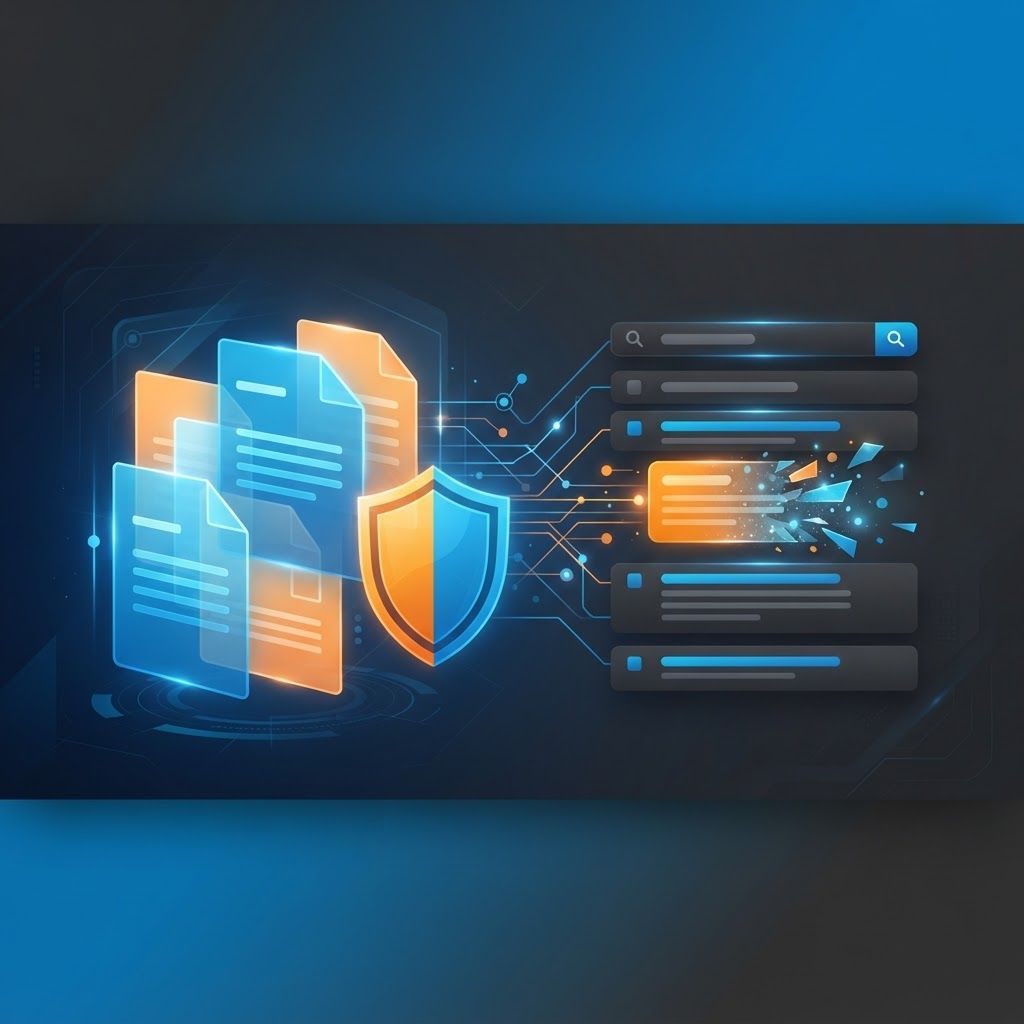
Lumen is an independent research database that archives copyright and legal removal requests sent to online platforms including search engines. When a rights holder files a copyright complaint under the Digital Millennium Copyright Act asking Google to remove specific URLs from search results, a redacted copy of that notice is typically published to Lumen for transparency. If you have seen your domain listed there, it means someone claimed that a page on your site infringes their copyright.
The immediate consequence is not a mysterious algorithmic punishment. It is concrete: the specific URLs named in a valid notice can be removed from search results for the queries where they appeared. That is a direct traffic loss for those pages, and it happens without any change to your rankings elsewhere. Understanding the difference between URL level removal and site level impact is the key to responding sensibly.
How AAMAX.CO Helps Protect Search Visibility
At AAMAX.CO we help clients audit content risk before it becomes a visibility problem. That means reviewing image sourcing and licensing, identifying scraped or duplicated content, replacing risky assets with properly licensed or original alternatives, and monitoring removal requests affecting your domain. Our SEO services also cover the recovery side: rebuilding affected pages with compliant original content, restoring internal link equity, and requesting reconsideration where appropriate. As a worldwide full service digital marketing company covering web development and marketing strategy, we can rewrite, redesign, and republish at the pace an urgent situation requires.
The Real SEO Risk, Explained Honestly
A single complaint against one page is a limited problem. Google processes an enormous volume of notices, and many are inaccurate or automated. However, Google has publicly stated that the number of valid copyright removal notices for a site is used as a signal in its demotion of sites that repeatedly host infringing material. A pattern of confirmed notices across many URLs can therefore contribute to broader suppression, particularly for sites whose primary content is pirated media, cracked software, or wholesale scraped articles.
There is also a reputational dimension. Because Lumen is public, potential partners, advertisers, and clients can find those notices. For agencies, publishers, and ecommerce brands, that visibility can be more damaging commercially than the lost rankings.
Common Causes That Catch Legitimate Businesses
Most complaints against ordinary businesses are not deliberate piracy. They come from using images found through a search engine without a licence, embedding photographs supplied by a former contractor who did not own them, republishing manufacturer product descriptions or photos without permission, quoting large sections of an article rather than a short excerpt with attribution, hosting downloadable documents created by someone else, or inheriting infringing content when acquiring an old domain. User generated content platforms and forums also accumulate notices through material members upload.
How to Respond to a Notice
Start by identifying exactly which URLs and which assets are named. Then assess honestly whether the claim has merit. If it does, remove or replace the infringing material immediately, keep records of the change, and check whether the same asset appears elsewhere on the site. Removing the cause is what prevents repeat notices.
If you believe the claim is wrong, because you own the content, hold a licence, or the use is legally permitted, you can file a counter notice through the platform that received the complaint. Counter notices carry legal consequences if filed dishonestly, so get advice before submitting one, especially where a competitor may be filing abusive complaints to suppress your pages. Keep licence receipts and asset provenance documented so you can respond quickly rather than scrambling for evidence.
Recovery After Removal
Once the underlying issue is fixed, the affected URL can regain visibility, although this is not always automatic or immediate. Replace the removed material with genuinely original content, update internal links so the page still receives authority, and request indexing again. Where a page has lost significant traffic, consider whether consolidating it into a stronger related page is a better outcome than trying to restore a thin asset.
Track the recovery in Search Console by comparing impressions and clicks for the specific URLs before and after. If site wide performance declined alongside a cluster of notices, treat it as a quality problem and audit the whole content library rather than patching individual pages.
Prevention Is Far Cheaper
Build a licensing policy. Use properly licensed stock, commissioned photography, or original graphics, and store the licence documentation with the asset. Brief writers to create original analysis instead of paraphrasing whole articles. Vet content when acquiring domains or migrating legacy sites. On user generated platforms, implement a clear takedown process and act on reports quickly. Pair this discipline with a broader digital marketing approach that values original creative work, which improves both compliance and performance.
Final Thoughts
Lumen DMCA complaints are bad for SEO in a specific way: they can remove individual URLs from search results, and repeated valid notices can contribute to site level demotion. Isolated or invalid claims are rarely fatal, but a pattern is a serious signal. Fix the cause, dispute abusive claims properly, and prevent recurrence with clean licensing. If you need help protecting or restoring your search visibility, hire us at AAMAX.CO for SEO services built on original, compliant content.
Want to publish a guest post on aamax.co?
Place an order for a guest post or link insertion today.
Place an Order