

How Do AI Marketing Tools Compare to Traditional Media Management
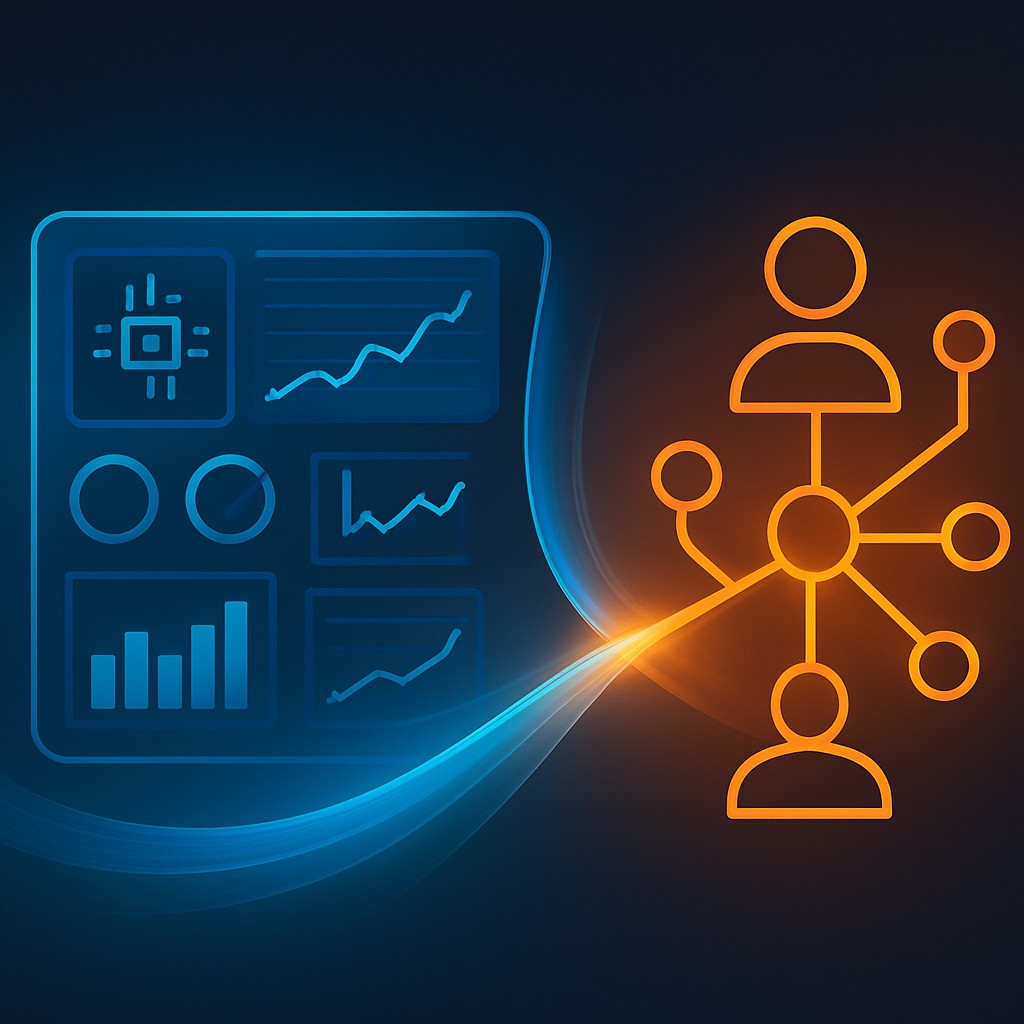
Media management has long been a blend of art and relationships: negotiating placements, crafting messaging, and making judgment calls based on experience. AI marketing tools introduce a different paradigm built on automation, data, and real-time optimization. As more brands adopt AI, a natural question arises: how do these tools compare to traditional media management, and which approach delivers better results? The answer depends on understanding what each does best and how they can reinforce one another.
How We Can Help at AAMAX.CO
We are AAMAX.CO, a global digital marketing company that blends AI-powered tools with seasoned media strategy. Our team uses automation to optimize campaigns in real time while applying human judgment through full-service digital marketing. If you're deciding how much to lean on AI versus traditional management, we can help you find the mix that maximizes results while keeping your brand strategy intact.
Speed and Real-Time Optimization
AI marketing tools excel at speed. They can analyze campaign performance continuously and adjust bids, budgets, and targeting in real time, far faster than any human team. This responsiveness reduces wasted spend and captures opportunities as they emerge. Traditional media management, by contrast, operates on slower cycles, with adjustments made periodically rather than instantly, which can mean missed opportunities in fast-moving digital channels.
Data-Driven Targeting
AI tools process vast amounts of data to identify high-value audiences and predict who is most likely to convert. This precision targeting often outperforms manual segmentation. Traditional media management relies on experience and market knowledge, which remain valuable but can't match AI's ability to find patterns across millions of data points. For data-rich digital channels, AI typically holds the edge, surfacing audience insights that would be impossible to spot manually.
Human Strategy and Creativity
Where traditional media management shines is strategy, creativity, and relationships. Experienced managers understand brand positioning, cultural context, and the nuances of messaging that resonate emotionally. They negotiate premium placements and build partnerships that algorithms can't. AI optimizes execution, but humans still set the vision and craft the creative that makes campaigns memorable and emotionally compelling to real people.
Cost and Efficiency
AI tools can reduce labor costs and improve efficiency by automating routine optimization. However, they require investment in technology and skilled operators who understand how to use them well. Traditional management carries higher labor costs but offers accountability and strategic depth. The most cost-effective approach often combines AI's efficiency with human oversight, avoiding the extremes of full automation or fully manual work, and matching the method to each task.
Accountability and Judgment
AI systems optimize toward the metrics they're given, which can lead to short-sighted decisions if goals are poorly defined. Human managers provide judgment, catching issues an algorithm might miss and aligning campaigns with broader business objectives. This oversight is essential; AI is powerful but needs direction. Pairing tools with strategic guidance, and a strong website development foundation for landing pages, ensures campaigns convert the traffic they generate into real results.
Choosing the Right Blend for Your Brand
There is no single right answer; the ideal balance depends on your goals, budget, and team. Performance-focused campaigns in digital channels benefit heavily from AI automation, while brand-building efforts and complex partnerships still rely on human expertise. Many brands find that AI handles the day-to-day optimization while experienced strategists steer direction and creative. Reviewing results regularly and adjusting this balance over time keeps your media strategy both efficient and effective.
Adapting to New Channels
As AI reshapes how consumers discover brands, media strategy must extend into AI-driven search and answer engines. Embracing generative engine optimization helps brands stay visible as audiences shift toward AI assistants. Forward-looking media strategies now account for these emerging surfaces alongside traditional channels to capture demand wherever it appears.
The Future of Media Management
Media management is steadily moving toward a hybrid model where AI and humans each play to their strengths. As AI tools grow more capable, they will handle an even larger share of routine optimization, freeing human managers to focus on strategy, creativity, and relationships. At the same time, the value of human judgment will rise, not fall, because someone must set goals, interpret results, and protect the brand. The marketers who thrive will be those who embrace AI without surrendering control, using data to inform decisions while keeping creativity and accountability firmly in human hands. This balanced future promises both greater efficiency and richer, more resonant campaigns for brands willing to adapt. Businesses that begin building this hybrid capability now, by adopting AI tools while strengthening their strategic and creative teams, will be far better prepared than those that cling to purely manual methods or hand everything over to automation without oversight.
Conclusion
AI marketing tools and traditional media management each bring distinct strengths, automation and precision on one side, strategy and creativity on the other. The best results come from combining them rather than choosing one. If you want a partner that unites AI efficiency with human expertise, our team is ready to help you build campaigns that deliver.
Want to publish a guest post on aamax.co?
Place an order for a guest post or link insertion today.
Place an Order