

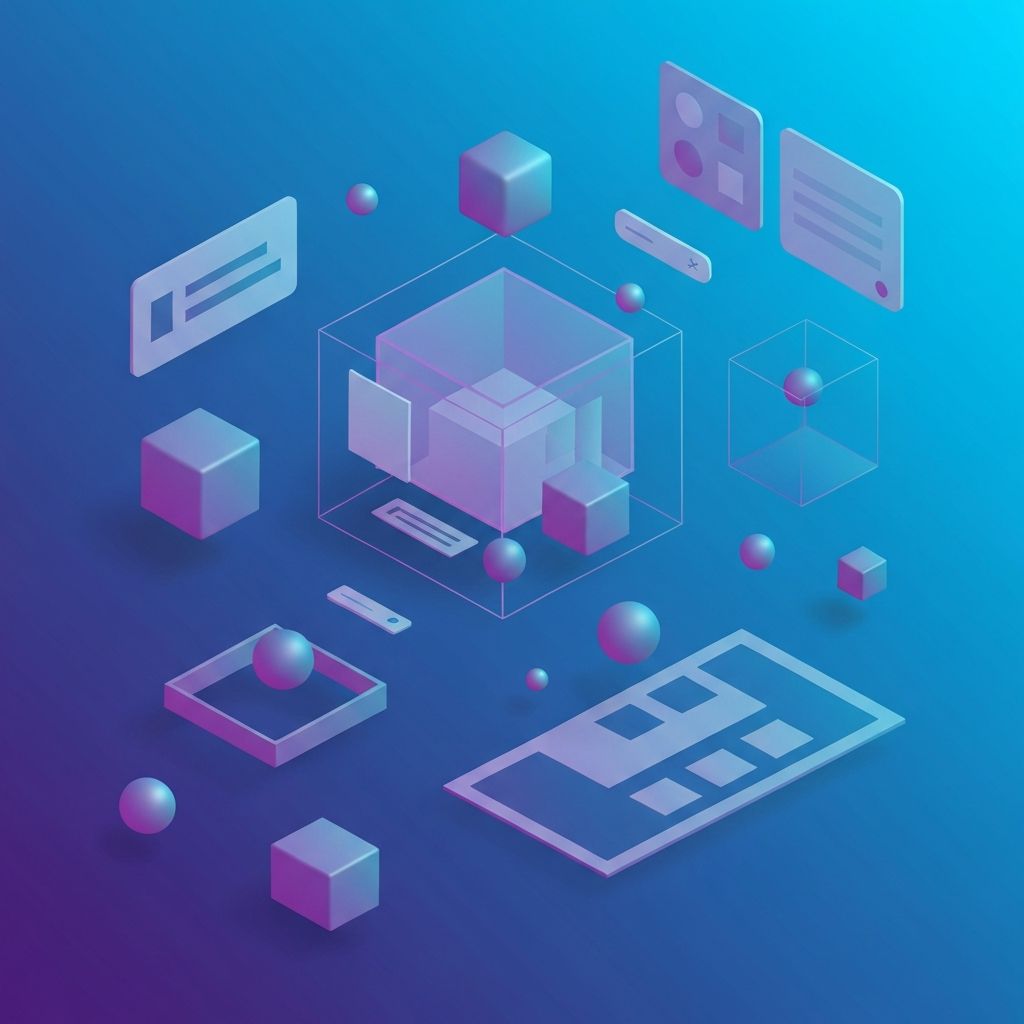
3D Web Design Templates
The Rise of 3D Web Design Templates: Creating Immersive Digital Experiences
The evolution of web design has entered an exciting new dimension – literally. Three-dimensional web design templates represent a significant shift in how we conceptualize and create online experiences. Moving beyond flat, two-dimensional interfaces, 3D elements add depth, interactivity, and visual sophistication that capture attention and communicate brand values in powerful ways.
At AAMAX.CO, we embrace cutting-edge design technologies while maintaining focus on usability and performance. Our expertise in 3D web design enables us to create stunning visual experiences that engage visitors while achieving business objectives. Whether you're launching a new brand or refreshing an existing site, 3D design templates offer compelling possibilities.
Understanding 3D Web Design Templates
3D web design templates provide pre-built frameworks incorporating three-dimensional visual elements, animations, and interactive features. These templates range from subtle 3D accents enhancing traditional layouts to fully immersive experiences that transport visitors into virtual environments.
Unlike traditional templates focusing primarily on layout and typography, 3D templates require additional consideration for rendering technology, animation systems, and performance optimization. They typically utilize WebGL, Three.js, or similar technologies to render three-dimensional graphics directly in web browsers without plugins or additional software.
The sophistication of available templates has increased dramatically in recent years. What once required custom development and significant budgets is now accessible through well-designed templates that democratize 3D web experiences. This accessibility enables businesses of all sizes to leverage 3D design effectively.
Types of 3D Web Design Templates
3D web design templates exist across a spectrum of complexity and implementation approaches. Understanding these categories helps identify the right solution for specific project requirements and technical capabilities.
Layered parallax templates create depth through multiple image layers that move at different speeds during scrolling. While technically 2.5D rather than true 3D, these templates effectively simulate dimensional depth with minimal technical overhead. They perform well across devices and provide an accessible entry point to dimensional design.
Isometric design templates present content in isometric projection, creating architectural or technical illustration aesthetics. Common in gaming and technology sectors, isometric design communicates complexity while maintaining visual clarity. These templates work particularly well for product showcases and process explanations.
True 3D templates incorporate rendered three-dimensional objects, environments, or characters that users can interact with. These range from simple rotating product displays to complex navigable environments. Our website design services can implement any complexity level based on project requirements.
Benefits of 3D Web Design for Businesses
Implementing 3D design elements offers numerous advantages for businesses seeking differentiation and engagement. Visual memorability increases significantly when websites incorporate dimensional elements – visitors remember unique experiences far better than conventional layouts.
Product visualization represents one of the most practical 3D applications. Allowing customers to rotate, zoom, and examine products from multiple angles reduces purchase uncertainty and return rates. Industries including furniture, fashion, automotive, and consumer electronics have seen measurable improvements in conversion rates through 3D product displays.
Storytelling capabilities expand dramatically with 3D design. Brands can create immersive narratives that guide visitors through content in engaging ways. This approach proves particularly effective for complex products or services requiring explanation, as well as for brands with rich histories or unique value propositions.
Competitive differentiation in crowded markets often determines business success. Most websites still rely on conventional design approaches, making 3D elements an effective strategy for standing out. When executed well, dimensional design signals innovation, creativity, and forward-thinking brand values.
Technical Requirements for 3D Templates
Successfully implementing 3D web design templates requires understanding technical requirements and limitations. Browser support for WebGL and related technologies has improved substantially, but not all visitors will experience 3D content identically.
Modern browsers including Chrome, Firefox, Safari, and Edge support WebGL rendering. However, older browsers, certain mobile devices, and systems with limited graphics capabilities may struggle with complex 3D content. Progressive enhancement strategies ensure all visitors receive appropriate experiences based on their capabilities.
Performance considerations become more critical with 3D content than traditional web elements. Three-dimensional rendering consumes significant processing power and memory, potentially impacting page load times and device battery life. Optimization techniques including level-of-detail management, texture compression, and efficient polygon counts help maintain smooth performance.
Our front-end web development expertise includes optimization strategies that balance visual quality with performance requirements. We ensure 3D elements enhance rather than hinder user experience.
Choosing the Right 3D Template
Selecting appropriate 3D templates requires careful evaluation of multiple factors including project goals, target audience, technical infrastructure, and maintenance capabilities. Rushing this decision often leads to implementation challenges and disappointing results.
Consider your audience's typical devices and connection speeds. If significant traffic comes from mobile devices or regions with slower internet, simpler 3D implementations may perform better than complex immersive experiences. Analytics data provides valuable insights for these decisions.
Evaluate template customization flexibility. Pre-built templates work best when they can be adapted to match brand guidelines without extensive modification. Examine how easily colors, textures, lighting, and 3D models can be changed. Templates requiring deep technical knowledge for basic customization may increase project costs significantly.
Assess ongoing maintenance requirements. Some 3D templates require specialized skills for updates and modifications. Consider whether your team can manage routine updates or whether external support will be necessary. Factor these ongoing costs into template selection decisions.
Implementation Best Practices
Successful 3D template implementation follows established best practices that maximize impact while minimizing technical issues. Starting with clear objectives ensures 3D elements serve strategic purposes rather than existing as mere decoration.
Loading strategies significantly impact user experience. Complex 3D scenes require substantial data transfer, potentially frustrating visitors if not managed properly. Progressive loading techniques display content incrementally, engaging users while complete scenes load. Loading animations and progress indicators maintain interest during longer waits.
Fallback content ensures functionality when 3D rendering fails or isn't supported. This might include static images, simplified animations, or alternative layouts. Never assume all visitors will experience 3D content – plan for graceful degradation.
Touch and gesture support enables mobile interaction with 3D elements. Templates designed for mouse interaction often require modification for touch interfaces. Consider how users will rotate, zoom, and navigate 3D content on touchscreens.
3D Design Trends Shaping Modern Templates
Several emerging trends influence current 3D web design template development. Understanding these movements helps identify forward-looking solutions that will remain relevant as design evolution continues.
Minimalist 3D presents dimensional elements with restraint, incorporating single 3D objects or subtle dimensional effects into otherwise conventional layouts. This approach provides dimensional interest without overwhelming visitors or creating performance issues. It represents the most accessible entry point for brands exploring 3D design.
Abstract 3D environments create mood and atmosphere without representing literal objects or spaces. Organic shapes, flowing forms, and dynamic lighting establish emotional tones that support brand messaging. These approaches work particularly well for creative industries, technology companies, and lifestyle brands.
Interactive data visualization transforms complex information into explorable 3D experiences. Users can navigate through data, examining relationships and patterns from multiple perspectives. This application proves valuable for scientific, financial, and analytical contexts.
Integrating 3D Templates with Existing Systems
3D web design templates must integrate smoothly with content management systems, e-commerce platforms, and other existing infrastructure. Compatibility issues can significantly increase implementation complexity and ongoing maintenance burden.
For WordPress sites, our WordPress development team ensures 3D elements work seamlessly with the content management workflow. Custom theme development or plugin integration may be necessary depending on template architecture and specific requirements.
E-commerce integrations present particular challenges and opportunities. 3D product viewers must connect to inventory systems, retrieve accurate product information, and support purchasing workflows. When implemented well, 3D commerce experiences significantly improve conversion rates and customer satisfaction.
Our web application development capabilities enable sophisticated integrations between 3D front-ends and back-end systems. We architect solutions that maintain performance while connecting dimensional experiences to business-critical data and processes.
Performance Optimization Strategies
Optimization transforms beautiful but slow 3D experiences into practical business tools. Various techniques reduce resource consumption while maintaining visual quality that impresses visitors and achieves design objectives.
Asset optimization includes model simplification, texture compression, and efficient file formats. 3D models often contain unnecessary complexity that increases load times without visible benefit. Professional optimization reduces polygon counts, combines textures, and eliminates redundant data.
Rendering optimization manages how browsers process and display 3D content. Techniques including occlusion culling, level-of-detail systems, and efficient shader programming dramatically improve frame rates and reduce power consumption. These optimizations prove particularly important for mobile experiences.
Content delivery networks and caching strategies ensure 3D assets load quickly regardless of visitor location. Large 3D files benefit significantly from CDN distribution and appropriate caching headers. Server configuration and hosting infrastructure choices impact 3D performance substantially.
Getting Started with 3D Web Design
Beginning your 3D web design journey requires honest assessment of objectives, resources, and capabilities. Start with clear understanding of what 3D elements should accomplish for your business – differentiation, product visualization, storytelling, or other specific goals.
Consider starting with simpler implementations before attempting complex immersive experiences. Parallax effects or single 3D product viewers provide learning opportunities while delivering immediate value. Success with initial projects builds confidence and capability for more ambitious future efforts.
We invite you to explore 3D web design possibilities with our experienced team. Our comprehensive services, including website development and web development consulting, guide you through every stage of 3D implementation. Together, we can create dimensional experiences that captivate visitors and drive business results.
Want to publish a guest post on aamax.co?
Place an order for a guest post or link insertion today.
Place an Order