

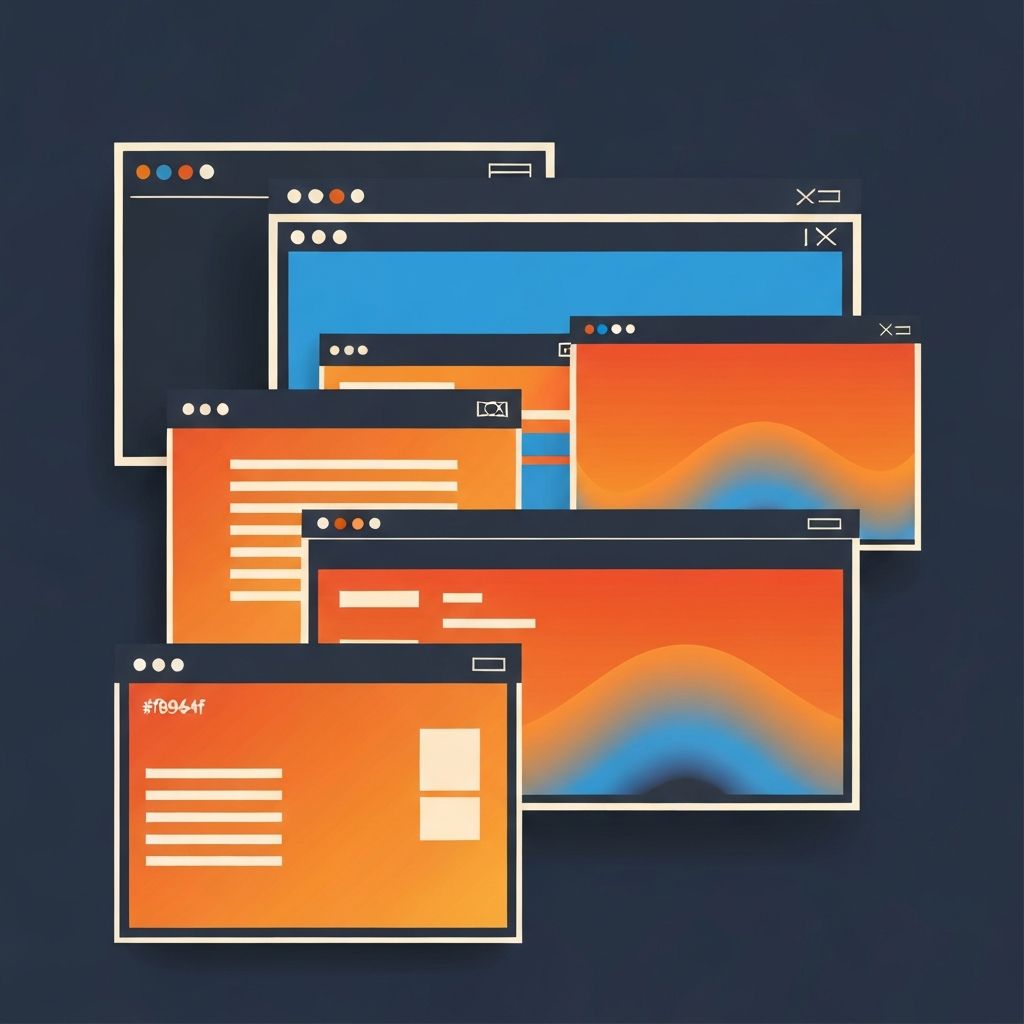
2000s Web Design
The Golden Era of Early Internet Aesthetics
The 2000s marked a transformative period in web design history, establishing many foundational principles that continue to influence digital experiences today. This decade witnessed the internet evolving from a novelty into an essential part of daily life, bringing with it distinctive visual trends, technical innovations, and design philosophies that defined an entire generation of websites. Understanding 2000s web design provides valuable context for appreciating how far we have come and what timeless principles remain relevant in contemporary website design.
Defining Characteristics of 2000s Web Design
The early 2000s web design landscape was characterized by several distinctive features that immediately transport visitors back to that era. Gradient backgrounds dominated the visual space, with designers favoring bold color transitions that added depth and dimension to flat screens. These gradients often featured blues, greens, and metallic tones that conveyed a sense of technological sophistication.
Table-based layouts were the structural backbone of most websites during this period. Before CSS positioning became widely supported and understood, designers relied on HTML tables to create complex page layouts. While this approach presented accessibility challenges and made maintenance difficult, it allowed for precise pixel-perfect positioning that designers craved.
Flash technology revolutionized web interactivity during the 2000s. Animated intros, interactive menus, and entire Flash-based websites became status symbols for brands wanting to appear cutting-edge. These experiences, while often beautiful and engaging, came at the cost of accessibility, search engine optimization, and loading times that could test even patient visitors.
Typography and Visual Elements
Typography in the 2000s faced significant constraints compared to today's web font abundance. Designers were limited to web-safe fonts like Arial, Verdana, Georgia, and Times New Roman. To achieve custom typography, text was often rendered as images, a practice that created maintenance headaches and accessibility issues but was necessary for brand consistency.
Beveled buttons, drop shadows, and glossy effects dominated interface elements. The skeuomorphic approach made digital elements resemble their physical counterparts, helping users understand interactive elements in this relatively new digital medium. These dimensional effects required careful craftsmanship in image editing software like Photoshop, as CSS capabilities for such effects were limited.
Animated GIFs served as the primary medium for adding movement to web pages. From spinning logos to blinking text and dancing figures, these lightweight animations added personality to websites, though their overuse often led to cluttered, distracting experiences that would be considered poor practice by today's standards.
Navigation Patterns and Information Architecture
Navigation design in the 2000s established many patterns that persist today, though execution has evolved significantly. Horizontal navigation bars became standard, often featuring hover effects that changed colors or revealed dropdown menus. The left sidebar navigation also gained popularity, providing easy access to site sections.
Breadcrumb navigation emerged as a solution for helping users understand their location within complex site hierarchies. This pattern remains valuable today, particularly for e-commerce and content-heavy websites where users need clear orientation within deep information architectures.
Site maps, both as user-facing pages and XML files for search engines, became essential components of comprehensive website development. These organizational tools helped visitors find content and search engines index pages effectively, establishing SEO foundations that remain crucial today.
The Rise of Content Management Systems
The mid-2000s witnessed the emergence of content management systems that democratized web publishing. WordPress launched in 2003, followed by Drupal and Joomla gaining significant traction. These platforms enabled non-technical users to create and manage websites, fundamentally changing who could participate in web publishing.
This democratization brought both opportunities and challenges. While more voices could now reach global audiences, the proliferation of template-based designs led to visual homogenization. Custom WordPress development became valuable for businesses wanting to stand out while leveraging the platform's powerful content management capabilities.
E-commerce Evolution
Online shopping transformed dramatically during the 2000s, with Amazon and eBay establishing e-commerce paradigms that influence design decisions today. Shopping cart patterns, product galleries, customer reviews, and checkout flows were refined through extensive testing and iteration.
Trust signals became essential design elements as consumers remained wary of online transactions. Security badges, money-back guarantees, and customer testimonials were prominently displayed to overcome purchasing hesitation. These trust-building techniques remain fundamental to conversion-focused design today.
Social Media Integration Beginnings
The latter half of the 2000s saw social media platforms emerge and quickly become essential marketing channels. MySpace, Facebook, and Twitter integration buttons began appearing on websites, marking the beginning of social sharing as a design consideration. This integration foreshadowed today's interconnected digital ecosystem where social proof and sharing capabilities are expected features.
Technical Constraints and Creative Solutions
Bandwidth limitations forced designers to optimize heavily, balancing visual appeal with loading performance. Image compression techniques, sprite sheets, and careful asset management were essential skills. These optimization principles remain relevant today, even with improved connection speeds, as performance continues to impact user experience and search rankings.
Browser compatibility challenges defined much of the technical work in 2000s web development. Internet Explorer's dominance and inconsistent standards implementation meant extensive testing and conditional styling. The emergence of Firefox and later Chrome gradually improved standards compliance, but cross-browser compatibility remains a consideration in modern front-end web development.
Lessons for Modern Web Design
While many 2000s design techniques have been rightfully retired, valuable lessons persist. The era's emphasis on visual hierarchy, clear calls-to-action, and user guidance remain foundational principles. Understanding how designers solved problems with limited tools provides perspective on leveraging today's sophisticated capabilities.
The 2000s taught us that technology should serve user needs rather than showcase capabilities. Flash's decline demonstrated that accessibility and performance trump novelty. This lesson informs modern approaches to animation, interactivity, and progressive enhancement.
At AAMAX.CO, we combine historical design wisdom with cutting-edge techniques to create websites that honor timeless principles while embracing modern capabilities. Our team understands that effective design transcends trends, building on proven foundations while innovating where it matters most.
The 2000s Design Revival
Interestingly, certain 2000s aesthetics have experienced revival in recent years. Y2K-inspired designs featuring metallics, gradients, and retro digital motifs have found appreciation among younger audiences discovering these styles fresh and designers nostalgic for simpler times. This cyclical nature of design reminds us that yesterday's dated trends can become tomorrow's inspiration.
Building on Historical Foundations
Understanding web design history enriches contemporary practice. The 2000s established user expectations, navigation patterns, and visual conventions that continue shaping how users interact with websites. By appreciating this evolution, designers and developers can make informed decisions about when to follow established patterns and when to innovate.
Whether you are refreshing an aging website or building something entirely new, partnering with experienced professionals ensures your project benefits from historical knowledge and modern expertise. Our web development consulting services help businesses navigate design decisions with confidence, creating digital experiences that serve users effectively while achieving business objectives.
Conclusion
The 2000s web design era represents a crucial chapter in internet history, establishing foundations that continue influencing digital experiences today. From table layouts to Flash animations, this period's innovations and limitations shaped how we approach web design. By understanding where we have been, we can better appreciate modern capabilities and apply timeless principles to create effective, engaging websites that serve users and businesses alike.
Want to publish a guest post on aamax.co?
Place an order for a guest post or link insertion today.
Place an Order